



One Day Floor System—TRANSFORMED IN 24 HOURS -NEXT-GEN POLYASPARTIC COATING
Jincheng’s polyaspartic floor coating system lets your installation team deliver a finished floor your customers can walk on the next day — without the slow, multi-day cure window that standard epoxy demands.
What Is a One Day Floor System?
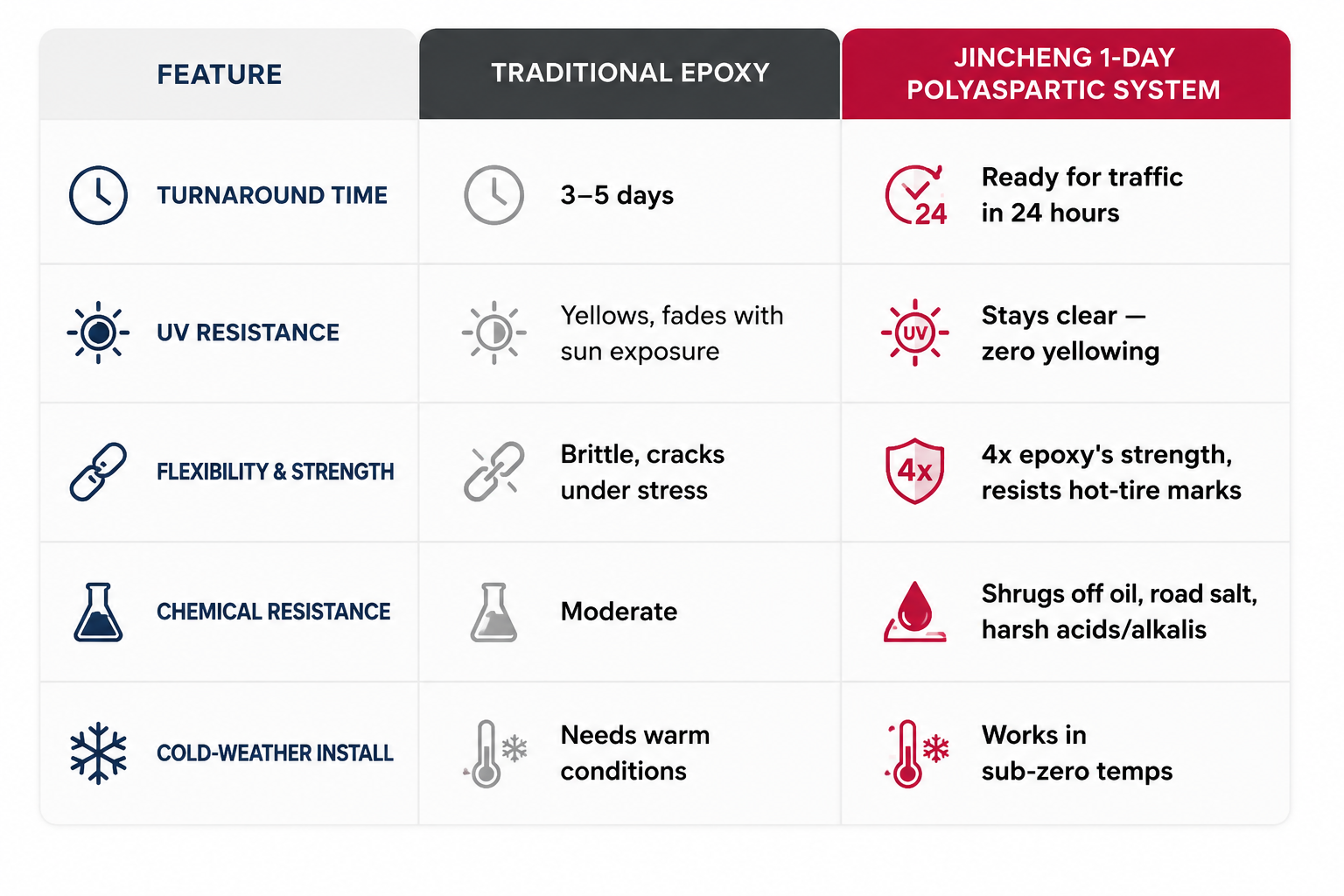
A “one day floor” isn’t a marketing phrase — it’s a chemistry decision. Standard epoxy coatings typically need several days to fully cure before a floor can handle real foot traffic, let alone furniture or equipment. That waiting period is the single biggest friction point for both installers and their customers.
Jincheng’s system replaces the slow-curing epoxy topcoat with a polyaspartic topcoat over a fast-curing polyurea basecoat. The result: floors that are ready for foot traffic within 24 hours of installation, applied at a recommended working temperature around 25°C.
For distributors and installation companies, this isn’t just a faster product — it’s a different service you can sell. “Installed today, usable tomorrow” is a claim standard epoxy simply can’t make.
Standard Epoxy Has a Problem. This Fixes It.
Wait three to five days for epoxy to cure, or don’t. Jincheng’s polyaspartic system trades a slow, brittle coating for one your crew can walk on the same afternoon — and it holds up for years after that.
What Actually Happens During the 8-Hour Install
One crew shows up in the morning. By late afternoon, the floor’s done. Here’s the breakdown.
8:00 AM
Diamond Grinding & Surface Prep (2 hrs)
Industrial diamond grinders cut the concrete down to a CSP 2–3 profile, stripping away old coatings and debris while HEPA vacuums catch the dust. This step is what makes the bond permanent — without it, nothing sticks long-term.
10:00 AM
Crack Repair & Polyurea Basecoat (1 hr)
Cracks get filled with fast-setting polyurea, then the whole floor gets rolled with Jincheng’s high-penetration polyurea basecoat. It works its way into the concrete’s pores and blocks rising moisture from underneath.
11:00 AM
Full Vinyl Flake Broadcast (1 hr)
While the basecoat’s still tacky, colored vinyl or quartz flake gets thrown down until the surface is fully saturated — no gaps, no bare patches. This is where the floor picks up its texture, its depth, and its grip underfoot.
12:00 PM
Cure Time & Crew Break (1.5 hrs)
Basecoat and flake cross-link and go surface-dry within 45 to 60 minutes. Standard epoxy can’t touch that — this single step shaves off more than 80% of the wait.
1:30 PM
Scrape-Down & Cleanup (1.5 hrs)
Loose flake gets swept up, the surface gets scraped flat from every angle, and a second vacuum pass clears the last of the debris. What’s left underfoot is smooth — no sharp edges, no high spots.
3:00 PM
Clear Polyaspartic Topcoat (1 hr)
A clear polyaspartic seal goes down last. It locks in UV resistance, blocks yellowing, and keeps hot tires from leaving marks. Crew’s packed up and the site’s clean before 4:00 PM.
When Can You Actually Use It?
4–6 hours in — Foot traffic's fine. Bare feet, soft-soled shoes, no problem.
24 hours in — Cars and heavy equipment are good to go. Cure's past 90%, no hot-tire pickup.
48 hours in — Full chemical wash territory. Pressure washer, motor oil, harsh cleaners — bring it on.
Built for Real Spaces
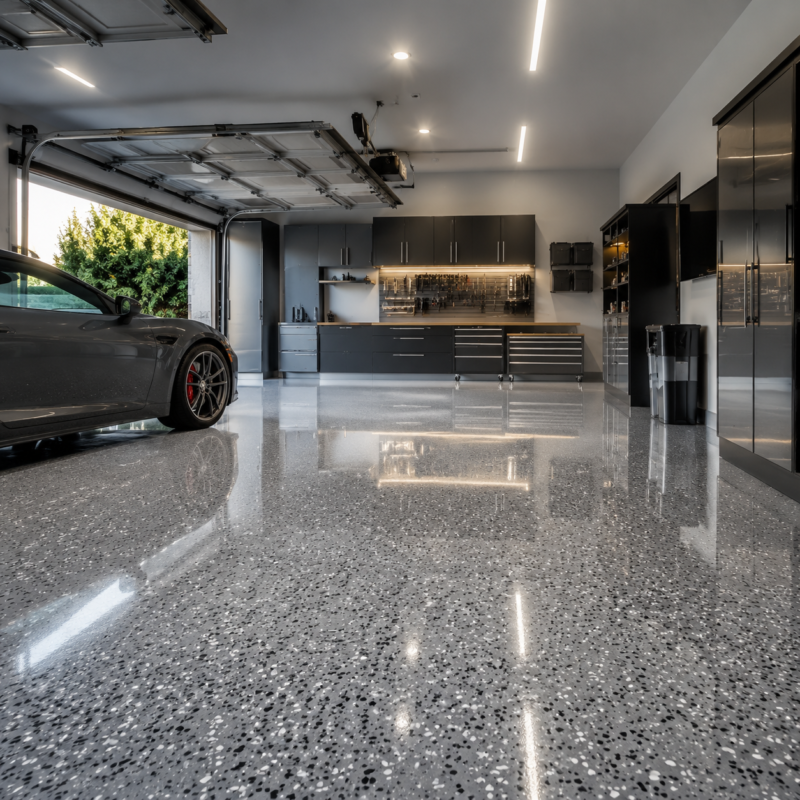
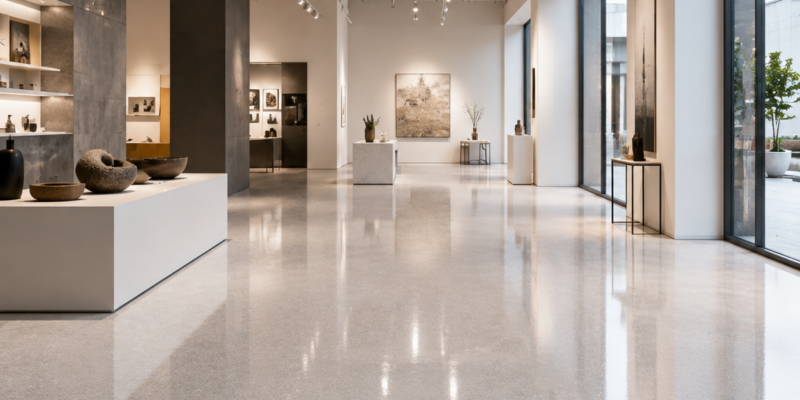
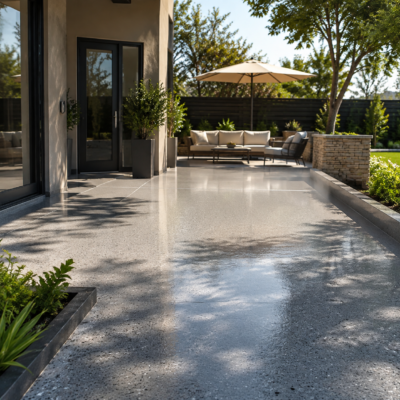
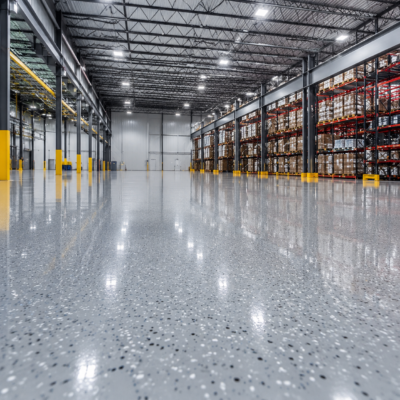
Garage floors, commercial showrooms, patios, pool decks, industrial warehouses — anywhere a floor needs to take a beating and still look sharp doing it.
There are six to eight flake color blends ready to go. If you’re not sure which one fits, grab a free sample kit and hold the actual colors before you decide.
Sourcing Direct From Jincheng
- Factory-direct pricing — skip the distributor markup
- Pot life tuned to your climate — we adjust the formulation to your install conditions
- OEM and private label ready — your brand on the label, our chemistry underneath, full technical support through install
FAQ
It's real. The polyaspartic topcoat cross-links fast enough to clear 90%+ cure within 24 hours — enough to handle vehicle and equipment loads without hot-tire pickup or surface damage.
Epoxy yellows because UV exposure breaks the material down from within over time — that's where the amber tint comes from. Polyaspartic resin doesn't share that weakness. Its UV stability is built into the molecular structure, not just a surface coating fighting to hold the line.
Yes. Standard epoxy needs warm ambient and substrate temperatures to cure right. Jincheng's polyaspartic system works across a much wider range, sub-zero included.