


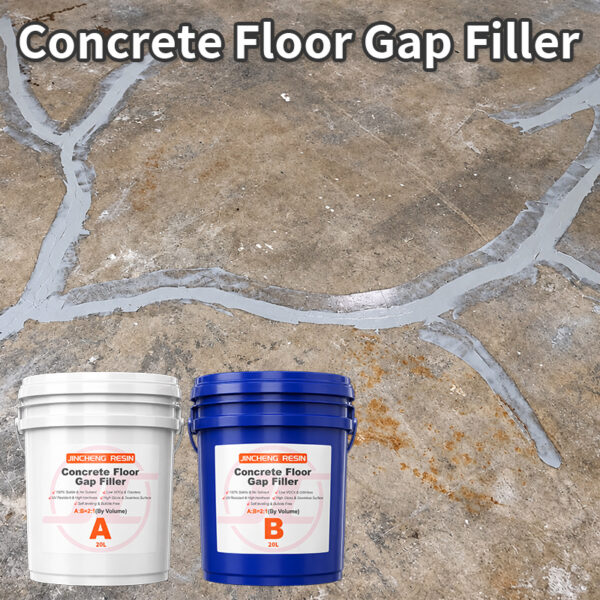






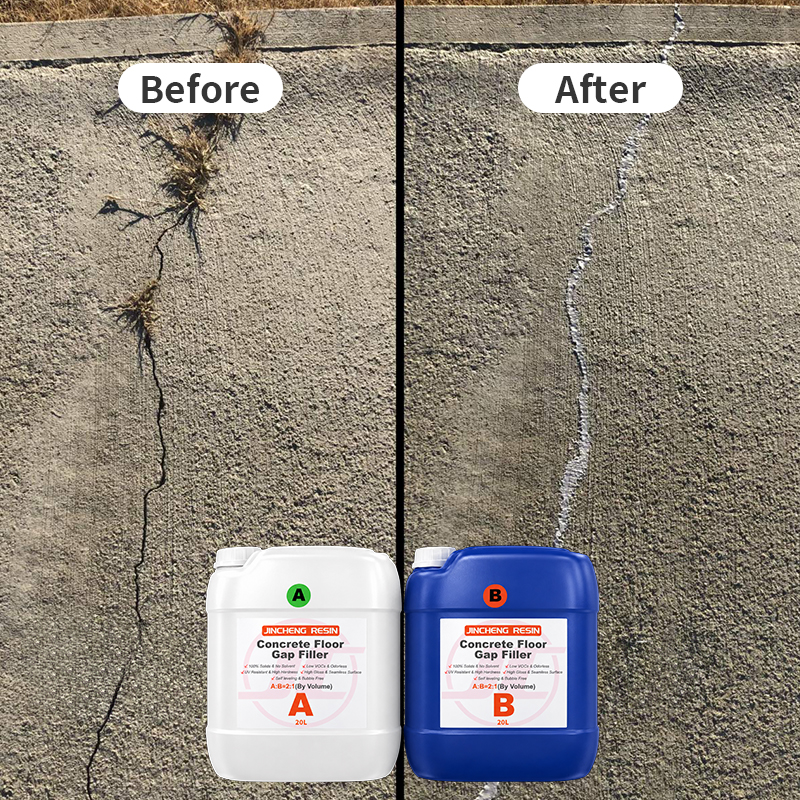
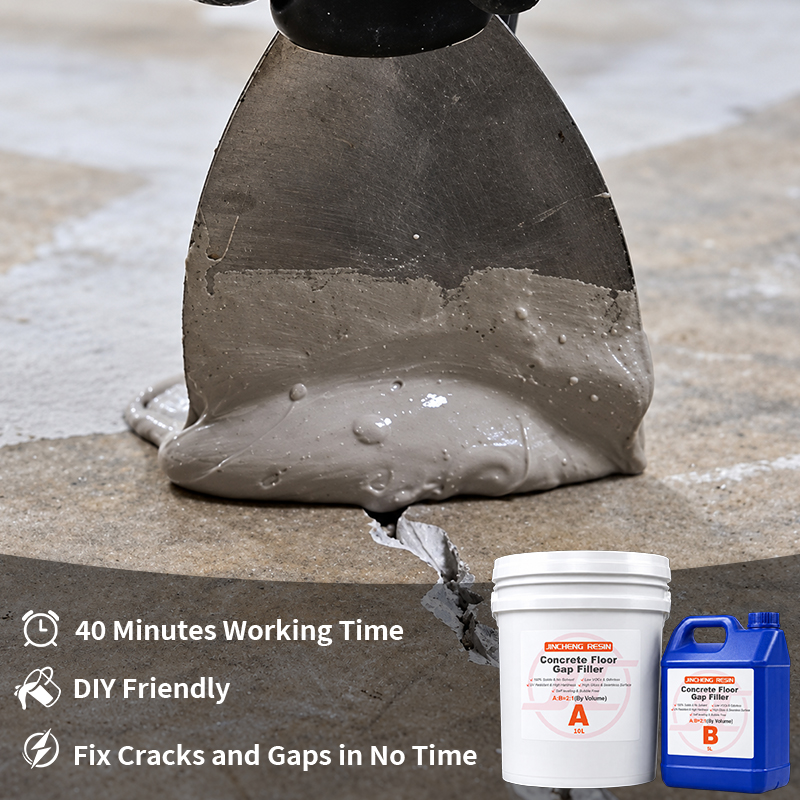



This is a substrate repair material made for concrete floors. It fills cracks, suitable joints, construction gaps and small holes, and brings the surface back to a continuous state before a new coating goes down. New slab or old, it gives the flooring work that follows a dependable starting point. Contractors and flooring material suppliers can specify it under compatible epoxy, polyaspartic and polyurea systems.
Repair First, Coat Second
A resin floor is only as good as what lies beneath it. Open cracks, gaps and small cavities disrupt coating application, leave uneven patches and create weak spots under the finished surface. The filler deals with these defects at the preparation stage, so contractors start from a more uniform base. Filling voids and restoring damaged areas lets the coating go on consistently and finish cleaner, in new construction and renovation alike.
Bonds Well to Concrete
Good penetration and wetting let the material make close contact with properly prepared concrete. That grip ties the repair to the surrounding substrate and lowers the chance of localized separation, which matters where several coating layers will follow. The concrete itself still has to be sound. Remove dust, oil, loose particles and anything else that would get in the way of bonding before application.
Strong, With Little Shrinkage
Once cured, the filler forms a firm repair that backs up the coating system above it. Low shrinkage keeps the filled profile in place and limits the dips that excessive shrinkage can leave behind. That matters for cracks, gaps and small damaged sections that need an even finish. The cured material also resists wear, water and aging, so repairs hold up under the conditions of the chosen flooring system.
Some Give Where It Counts
Strength comes paired with flexibility. The product can absorb limited substrate movement within its design range, easing stress around the repair and coping with minor thermal movement. Joints need care, though. An active expansion joint must keep its ability to move, and should be treated with this material only if its rated movement capacity meets project requirements. Structural cracks, ongoing substrate movement and water entering under pressure call for separate assessment before any repair method is chosen.
Fits Resin Flooring Systems
Developed for floor base preparation, the filler can be written into compatible epoxy, polyaspartic and polyurea specifications. It gives primers and coatings a flatter, more continuous surface, with fewer open defects in the way. Let the repair cure sufficiently before overcoating, and finish any leveling or surface preparation first. Check compatibility, application conditions and overcoating requirements for the actual products in use, especially when systems are mixed.
Straightforward on Site
Application is simple enough for targeted repairs during routine substrate preparation. Contractors can deal with isolated defects and move on to the specified coating sequence. Filling accessible gaps also removes pockets where dirt and dust collect, so the finished floor is easier to keep clean under a suitable coating.
Typical uses include workshops, exhibition halls, garages, shopping centers, warehouses and other commercial or industrial concrete floors, indoors or in properly specified outdoor systems. From small renovation patches to base preparation across large installations, the filler gives the finished floor a sound, even foundation.


One-Stop Flooring Materials Supplier
High-transparent crystal epoxy resin R & D and production for 20 years.
Over 10 years experience for exporting.
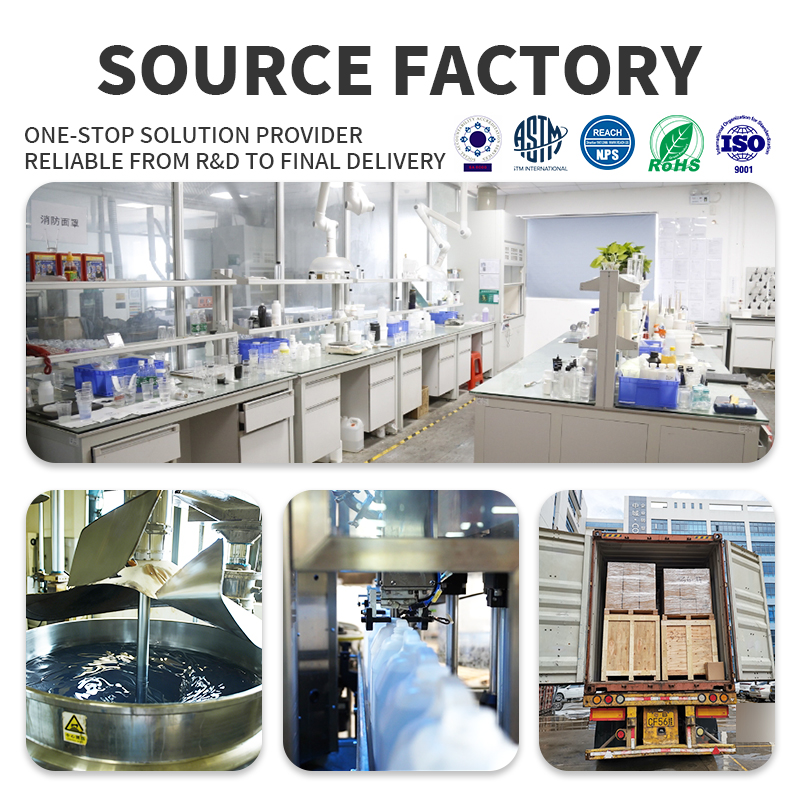
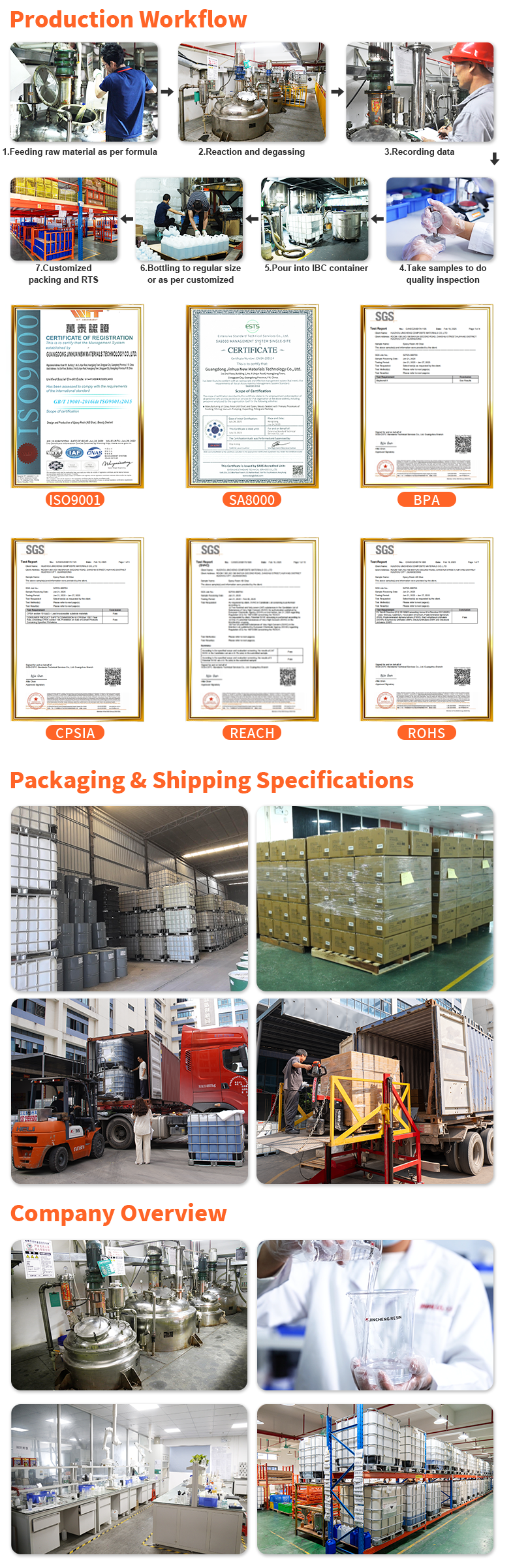
Quality Control : same workers for material feeding and same person to supervise and record data for every batch ; Taking sample to test and mark the details for batch.
ROHS,REACH,CPSIA,BPA,TRA, EN71 ,FDA etc. SA8000 social responsibility system, IS09001 quality system.
We are good at providing solution service for each industry product within 3 days.

Factory Profile
Fast delivery : Capacity production 1000 tons per month , 3~5 days delivery for batch order.
20 sets of automatic production equipment. 5 OEM production lines. Plant area 20000 square meters.

Huizhou Jincheng Composite Materials Co., Ltd. English Translation
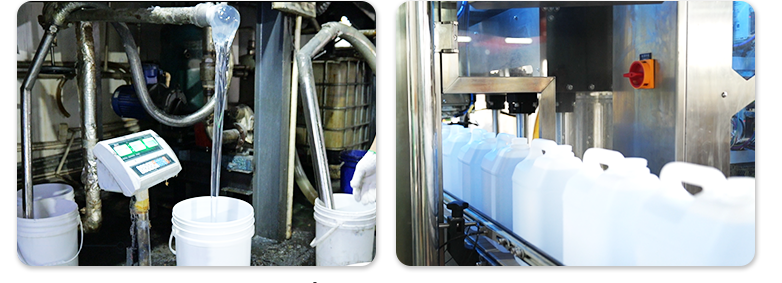
3 days delivery for R&D sample