



Garage flooring needs to cope with various factors such as the pressure of vehicles, oil stains, moisture, chemical agents, and other elements. A proper choice of a diy garage floor coating can not only increase the durability of the surface but also create an aesthetic and hygienic environment. But at the same time, it can be difficult for people to select the proper type of garage floor coating and its appropriate application technique.
The garage floor coating application involves more than just painting; it involves such steps as applying primer, intermediate coating, and top coating. Knowledge of their role can help people choose a coating better for their project.
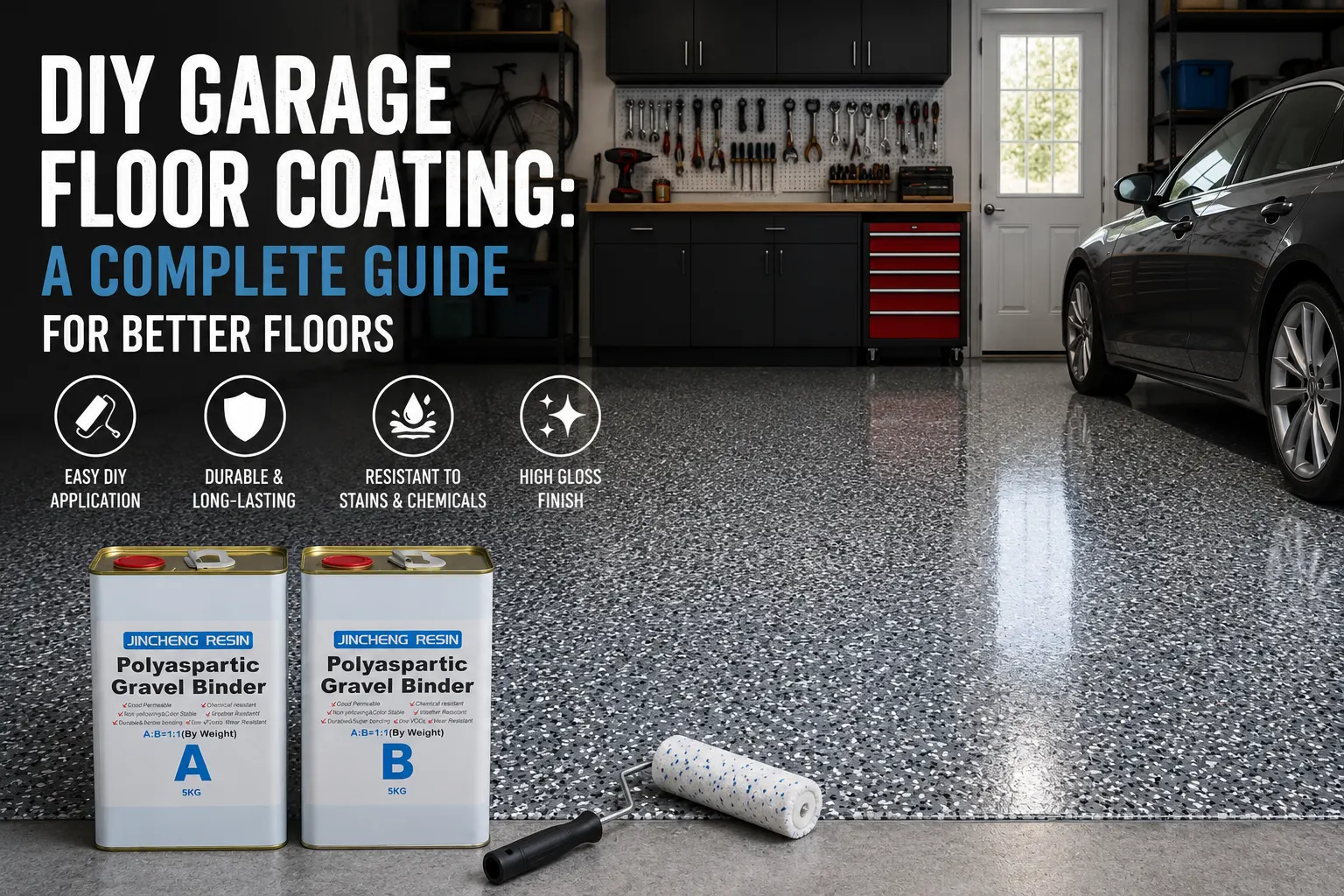
What Is DIY Garage Floor Coating and How to Apply It?
A diy garage floor coating is the method of protecting garage floors by means of coating with materials that will provide durability and aesthetics. This method differs from simple floor paint application, as today’s coating systems usually consist of special resin materials.
The Structure of a Garage Floor Coating System
| Layer | Main Function | Common Materials |
| Primer Layer | Improves adhesion between concrete and coating | Epoxy primer |
| Middle Layer | Adds thickness and decorative effects | Epoxy, flakes, metallic coating |
| Topcoat Layer | Provides protection and surface performance | Polyaspartic, polyurea, polyurethane |
This layered structure allows a garage floor coating for diy projects system to achieve better resistance against wear, impact, and environmental conditions. A complete garage floor coating system usually includes three main layers:
How to Choose Materials for Garage Floor Coating for DIY Projects?
The selection of appropriate material is the first thing that should be done prior to the garage floor coating project. There are various materials that offer distinct properties.
Epoxy for Garage Floor Coat
Epoxy is one of the most widely used materials in garage floor coat projects. It can act as a primer coat, mid coat, and also as a top coat. In many diy garage floor coating projects, epoxy is chosen as an efficient option.
Advantages include:
- Strong bonding performance;
- Good chemical resistance;
- Smooth and attractive surface appearance;
- Suitable for residential and light industrial areas.
Polyaspartic and Polyurea Paints
Polyaspartic paints are popularly applied for protection as top coats due to their excellent performance attributes. In contrast with epoxies, polyaspartic paint is preferred when high durability is needed.
Key attributes of polyaspartic paints are:
- High abrasion resistance;
- Better UV resistance;
- Strong load-bearing capability;
- Fast curing performance.
Coatings Using Polyurethane
Another possible option would be polyurethane. It is flexible and provides protection to the surface. Thus, it is a great material for those surfaces that require additional protection.
What Is the Preparation Required Before Garage Floor Coating DIY?
Proper preparation is important since it influences the performance of the coating. Even good quality coatings would fail if the surface of the concrete is not properly prepared.
Preparation of the Concrete Surface
Surface preparation helps improve bonding between the concrete and coating layers. Before applying a diy garage floor coating, the floor should be:
- Cleaned of any oil, dust, or other contaminants;
- Repaired for cracks or any damaged areas;
- Fully dried before coating application.
Check Concrete Conditions
A suitable surface condition allows coating materials to perform more effectively. Important factors include:
- Surface moisture level;
- Concrete age;
- Existing damage;
- Surface roughness.
A Comprehensive Guide to DIY Garage Floor Coating
A good coating process involves proper planning and correct application technique. Following these steps helps create a more reliable diy garage floor coating system.
Step 1: Surface Preparation
Clean dirt, oil, and any other loose materials. Grinding or other preparation methods may be required to create better adhesion.
Step 2: Apply Primer
The primer layer improves the connection between concrete and the following coating layers. This is where epoxy primers come into use.
Step 3: Add Decorative/Protective Coating Layers
This layer could contain epoxy or flakes and some other coating to add to the look of the floor and make it thicker.
Step 4: Apply the Final Topcoat
The topcoat provides additional protection against abrasion, chemicals, and daily wear.
Common Mistakes While Applying the Garage Floor Coating
Many coating problems come from incorrect preparation or unsuitable material selection.
Ignoring Surface Preparation
Applying coating directly on dirty or damaged concrete may cause peeling or poor adhesion.
Choosing the Wrong Coating Type
Different spaces require different solutions. A home garage, workshop, and industrial area may have different performance requirements.
Applying Too Few Layers
While some simple coats may have just one coating layer, multiple layers usually offer better protection and durability.
How to Maintain a Coated Garage Floor?
After completing a diy garage floor coating, proper maintenance helps extend the floor’s service life. Regular care keeps the floor’s appearance and performance stable over time.
The recommended practices are:
- Clean the floor of dust and dirt;
- Remove oil and chemical spills quickly;
- Avoid using harsh cleaning products;
- Use the correct cleaning materials to protect the integrity of the surface.
Why Are Modern Garage Floor Coatings Increasing In Popularity?
More people are renovating their garages for use as parking lots, storerooms, workshops, etc. An effective floor coating will help you convert the usual garage into a more functional space.
Modern diy garage floor coating solutions provide:
- Better surface protection;
- Improved visual appearance;
- Easier cleaning;
- More flexible design options.
For individuals interested in renovating their garage floors, it is important to learn more about the coatings and the system’s structure. This will enable you to get a good-performing floor coating system.