

Modern floors in industrial, commercial, and outdoor environments face challenges such as heavy traffic, chemical exposure, impact, and weather conditions. Choosing suitable coating materials is essential for improving surface durability, extending service life, and maintaining better performance. Different coating materials provide different advantages, making it important to understand how each system works before selecting the right option.
A complete floor protection system usually includes primer, middle coating, and topcoat layers. Materials such as epoxy, polyaspartic, polyurea, and polyurethane can be combined to create effective coating solutions for different application requirements. This guide explains the structure, materials, benefits, and selection factors of modern floor coating systems.
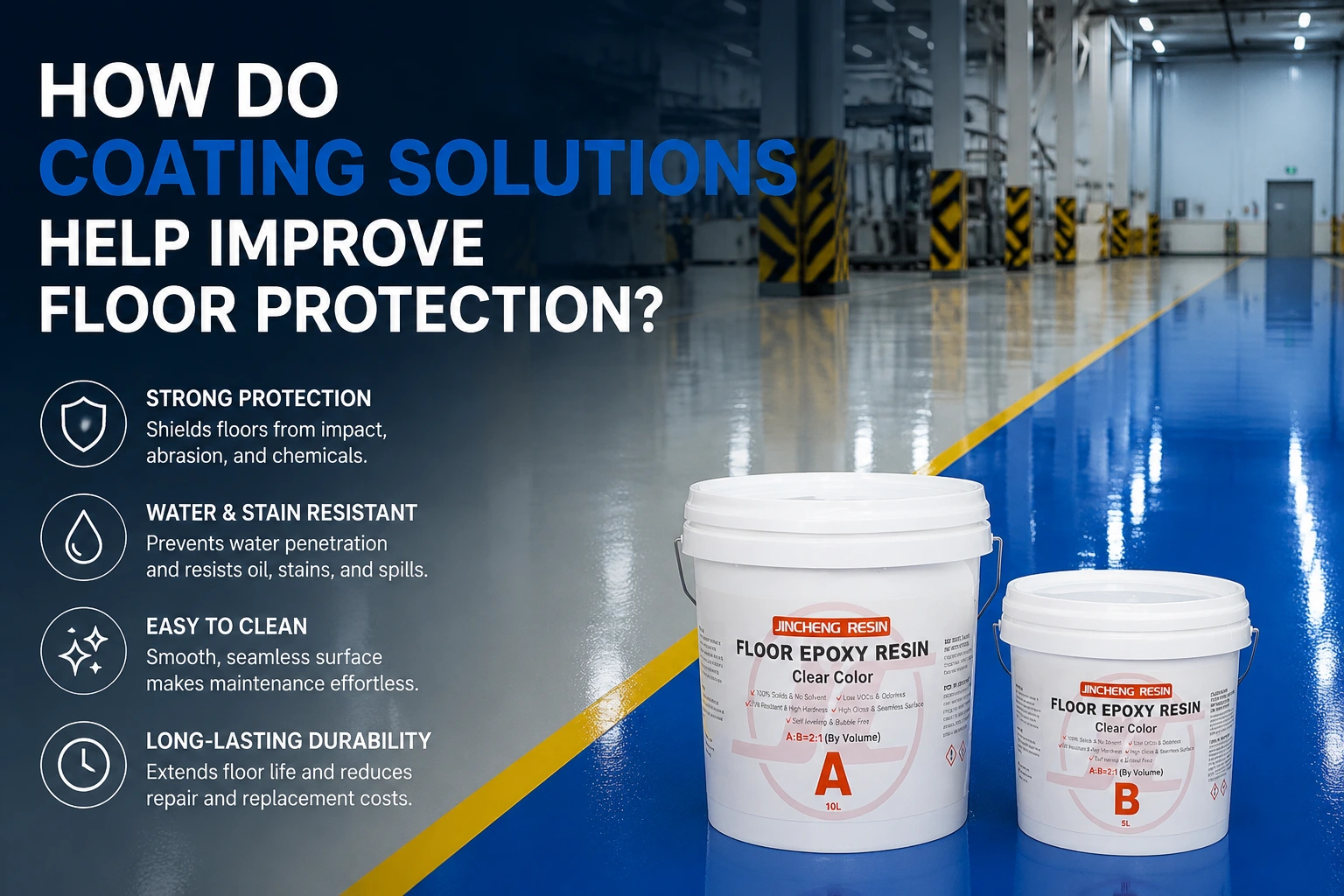
What Are Coating Materials and How Do They Work?
Coating materials are essentially surface protection systems designed primarily to enhance the durability and performance of flooring and other underlying materials. Unlike simple paint applications, professional coating systems often use multiple layers to achieve better adhesion, strength, and resistance.
The Three Layers of Floor Coating Solutions
A typical floor coating system includes three main layers:
- Primer Layer
The primer creates a strong connection between the substrate and the coating system. Epoxy is commonly used as a primer because it provides excellent adhesion and helps prepare the surface for further coating layers. - Middle Coating Layer
The middle layer increases coating thickness and improves overall protection. Depending on project requirements, it may include metallic coatings, decorative flakes, or other mixed coating materials to enhance both performance and appearance. - Topcoat Layer
The topcoat provides the final protective surface. Materials such as polyaspartic, polyurea, polyurethane, or epoxy can be selected according to requirements for wear resistance, chemical protection, UV resistance, and surface performance.
Why Are Multi-Coating Methods Popular?
Most industrial applications require floors to endure constant wear, mechanical stress, and changing environments. Simple layering may offer some protection, but it usually does not suffice for tough requirements.
Key Benefits of Advanced Coating Materials
Modern coating solutions offer several advantages:
- Improved resistance against abrasion and impact
- Better protection from moisture and chemicals
- Enhanced surface appearance and cleanliness
- Longer floor service life
- Flexible material combinations for different applications
By combining different coating materials, users can create a floor system that matches specific working conditions and performance expectations.
What Materials Are Used in Coating Solutions?
Different coating materials provide unique properties. Understanding their characteristics helps users select the right system for different environments.
Epoxy Coating Materials for Versatile Floor Protection
Epoxy is one of the most commonly used materials in floor coating solutions because of its strong bonding ability and wide application range.
Epoxy can be used as:
- Primer for improving surface adhesion
- Middle coating for adding thickness and strength
- Topcoat for creating a smooth protective surface
Its versatility makes epoxy suitable for many industrial and commercial flooring applications where durability and cost efficiency are important.
Polyaspartic coating materials for High Performance
Polyaspartic coatings are generally used as topcoats in advanced coating solutions due to their excellent performance characteristics.
They provide advantages including:
- Strong abrasion resistance
- Good load-bearing capability
- Improved UV resistance
- Long-lasting surface protection
Because of these properties, polyaspartic coatings are often selected for areas requiring higher durability, such as heavy-duty floors and outdoor applications. Although the material cost is usually higher, it provides enhanced protection in demanding environments.
Polyurea and Polyurethane Coating Materials
Polyurea and polyurethane play a crucial role in modern floor protection systems. Polyurea coatings are available in different forms, including transparent and waterproof colored systems. They are suitable for applications requiring flexibility and strong protective performance.
Polyurethane coatings are commonly used as finishing layers, providing surface protection and improving resistance against daily wear. The selection depends on factors such as environment, performance requirements, and application purpose.
How to Choose the Right Coating Technologies?
Selecting suitable coating solutions requires considering the actual working environment, surface conditions, and expected performance.
Important considerations for selection
The right floor coating system will increase the floor’s longevity and reduce maintenance needs. When deciding on a floor coating system, one should consider:
- Application environment: Indoor, outdoor, industrial, or commercial conditions affect material selection.
- Performance requirements: Wear resistance, chemical resistance, and UV protection should match usage needs.
- Layer structure: Primer, middle coating, and topcoat should work together for better results.
- Surface conditions: Existing floor materials and preparation requirements influence coating performance.
Where are floor coating materials commonly applied?
Different industries rely on coating solutions to improve floor performance and maintain safe working environments.
l Industrial and Manufacturing Floors
Factories and workshops often experience heavy equipment movement, impact, and frequent cleaning. Multi-layer coating systems help protect surfaces and maintain stable performance during continuous operation.
l Commercial and Public Spaces
Shopping areas, garages, and commercial facilities require floors that combine durability with attractive appearance. Decorative coatings such as metallic finishes and flakes can provide both visual effects and surface protection.
l Outdoor and Special Applications
Outdoor areas require coatings with stronger resistance to weather conditions and UV exposure. Polyaspartic and other high-performance materials are often considered for environments requiring additional protection.
Future Trends in Coating Materials
The development of coating materials continues to focus on higher durability, improved efficiency, and better environmental performance. Advanced materials and optimized coating structures are helping industries achieve longer-lasting and more reliable floor systems. Future floor protection technologies are bound to become increasingly impressive: not only will they be more durable and faster to apply, but they will also be “tailor-made” to meet the specific needs of various venues.
Conclusion: Choosing Better Coating Solutions for Floor Protection
The right coating solutions can significantly improve floor durability, appearance, and resistance against daily challenges. From epoxy primers and middle coatings to high-performance polyaspartic, polyurea, and polyurethane topcoats, different materials provide flexible options for various applications.
Once you understand the coating’s structure and material characteristics, you can select the protective system best suited to your flooring. Explore our coating products and stay updated with advanced surface protection technologies to find solutions that better support your flooring projects.