

In recent years, polyaspartic acid floor coatings have become increasingly common in industrial, commercial, and residential garage applications. Their advantages, such as rapid curing, wear resistance, and UV resistance, have made them a top choice for floor renovation. This has led to significant price concerns. Jingcheng has compiled detailed and relevant market price information and influencing factors to help you accurately plan your budget and make cost-effective purchasing decisions.
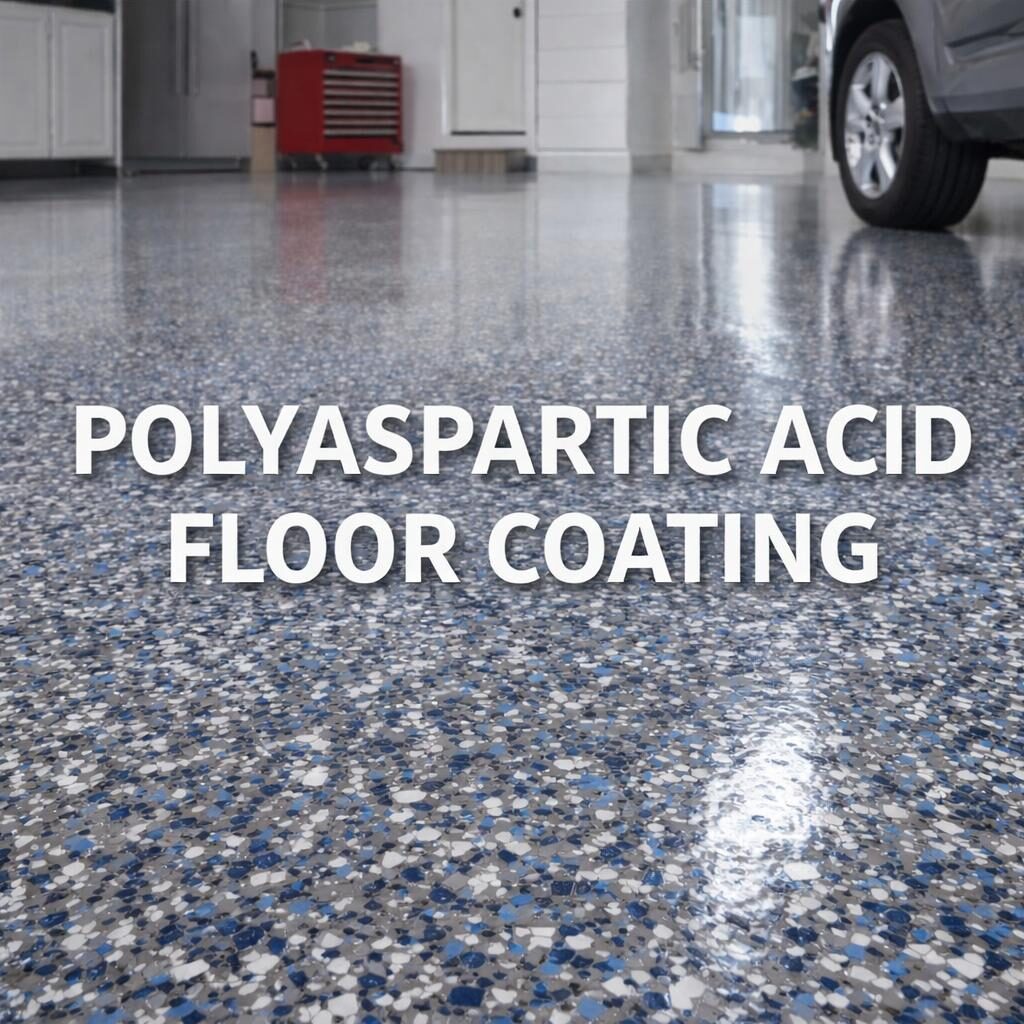
1. 2026 Basic Price Range for Polyaspartic Acid Floor Coatings
Based solely on the raw material cost of polyaspartic acid floor coatings (excluding labor costs), the current mainstream market price is $7.27-$19.50 per kilogram (as a topcoat, approximately 0.1-0.2 kg of coating can cover one square meter of flooring). However, prices will fluctuate depending on factors such as product quality, formulation, and brand influence.
If a complete construction system is included (including floor preparation, primer, finishing coat, and topcoat), the overall price is typically $5-$12 per square foot. For example, the cost of polyaspartic acid flooring for a standard double garage (approximately 400 square feet) is typically between $2000 and $4800.Comparison of Epoxy Floor Coatings and Polyaspartic Floor Coatings
2.When choosing a floor coating, it’s inevitable to compare epoxy floor coatings and polyaspartic floor coatings.
Epoxy floor coatings are indeed more affordable than polyaspartic floor coatings, costing approximately $4-8. However, polyaspartic floor coatings offer superior performance. They cure extremely quickly, allowing for light traffic within 24 hours and vehicle compaction within 72 hours, minimizing downtime. Furthermore, they possess excellent UV resistance, resisting yellowing and fading even under prolonged exposure to direct sunlight. With proper maintenance, their lifespan can reach 15-20 years, significantly reducing the cost of frequent renovations. If cost is calculated based on lifespan, the cost difference between epoxy and polyaspartic flooring is actually minimal
3. What factors influence the price of polyaspartic acid floor coatings?
(1) Different product formulations: The core component of polyaspartic acid floor coatings is polyaspartic acid ester resin. The purity and molecular structure of the resin directly determine the base price. If the product also requires high UV resistance, chemical corrosion resistance, strong wear resistance, scratch resistance, anti-slip properties, low VOCs, and other functional additives, the price will be correspondingly higher.
(2) Construction area and surface condition: The size of the construction area directly affects the cost of polyaspartic acid flooring. The larger the construction area, the lower the labor cost and material waste; conversely, the lower the area, the higher the cost. If the surface condition of the base layer is damaged concrete flooring with cracks, oil stains, unevenness, etc., additional repair and leveling work is required, which will directly increase the total construction cost. The overall construction cost of a smooth and clean new concrete floor is much lower than that of an aged and damaged old base surface. (3) Application in Different Scenarios
The price of polyaspartic acid (PAA) flooring varies depending on the application scenario. For example, outdoor projects require specialized weather-resistant PAA flooring coatings, which have stronger formula stability and are more expensive than general-purpose indoor coatings. In industrial settings, multiple coats of PAA flooring coating are needed, increasing the cost with each additional coat.
4. Conclusion
While PAA flooring coatings are relatively expensive, their performance and lifespan make them a more cost-effective flooring solution. Finally, if you would like to obtain specific quotes or comprehensive solutions for PAA flooring coatings, please contact us. We have highly professional flooring coating engineers and sales staff to help you solve your problems.