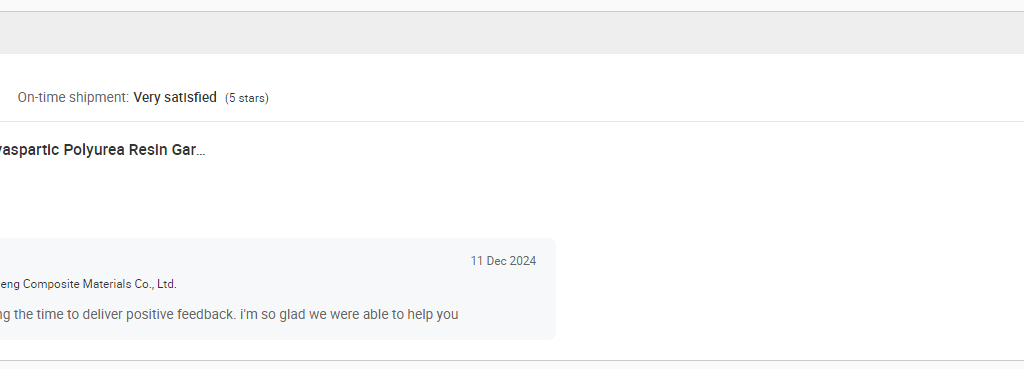



With the increasing demand for garage floor upgrades, polyaspartic acid floor coatings have become a popular choice for home, community, and commercial garage renovations due to their superior performance. But is this type of floor coating worthwhile? What are the real user reviews? This article provides a comprehensive analysis of the aspects of performance, advantages, disadvantages, and user experience. Finally, we will also include pictures of real user reviews.
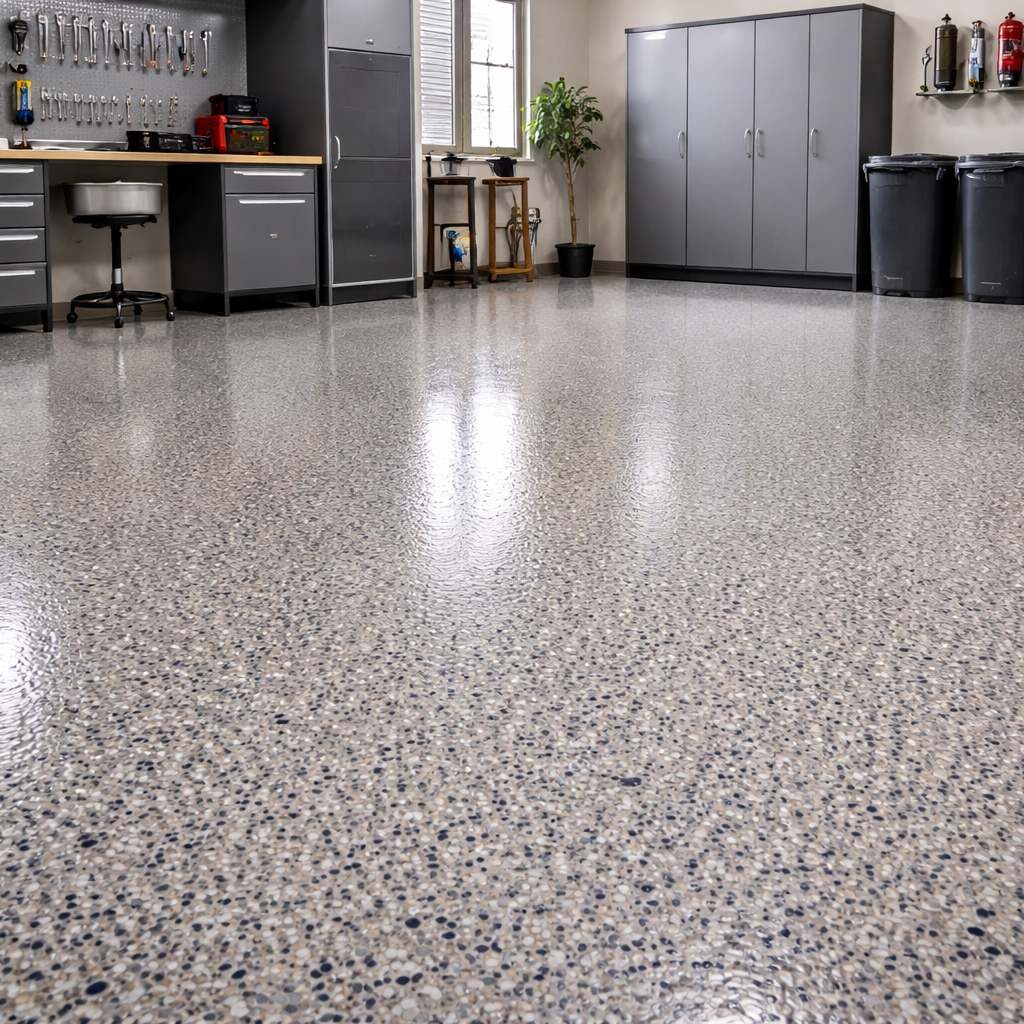
First, we need to know what polyaspartic acid floor coating is.
Polyaspartic acid floor coating (also known as aspartic polyurea flooring) is a third-generation aliphatic polyurea high-performance flooring material. Its core advantages are fast drying, weather resistance, wear resistance, and environmental protection. It was first used in the fields of steel structure anti-corrosion and industrial protection. In recent years, it has been widely used in concrete flooring, especially garage flooring, warehouse flooring, and commercial flooring.
Why is polyaspartic acid floor coating suitable for garages?
Wear Resistance: Garage floors endure daily wear from vehicles, tires, and heavy objects, making wear resistance a core performance characteristic. Polyaspartic acid garage floor coatings are high-performance aliphatic coatings with high density and hardness. Unlike ordinary epoxy paints, which are easily scratched and worn, these coatings prevent noticeable scratches from daily vehicle traffic and the movement of goods. Even in high-traffic areas like commercial underground parking garages, they maintain their pristine condition for a long time.
Weather-resistant, moisture-proof, and stain-resistant: Underground garages are generally damp and dark, and prone to rainwater seepage and oil spills. Ordinary paints are prone to blistering when exposed to moisture and are difficult to clean when stained with oil, becoming dirty and unsightly over time. Polyaspartic acid floor coatings have excellent weather resistance and stain resistance, and also possess excellent moisture-proof and waterproof properties, firmly locking onto the ground substrate and preventing moisture penetration. Even in long-term damp environments, they will not blister or peel.
Furthermore, this coating has outstanding resistance to oil stains and acids/alkalis. Spilled engine oil, brake fluid, and everyday dirt can be easily wiped clean with a damp cloth without penetrating the ground and leaving stubborn marks.
Moreover, it has excellent UV resistance. For private garages, even under direct sunlight, it will not yellow, fade, or age, maintaining a bright and clean appearance.
Therefore, polyaspartic acid floor coatings are suitable for both residential and commercial garages.
High adaptability: Polyaspartic acid floor coatings not only have excellent performance, but also have very high adaptability. They can be combined with substrates such as colored quartz sand, rock chips, and mixed sand to create brightly colored and beautiful flooring, which can be applied to different scenarios such as commercial and amusement parks. At the same time, matte, glossy and other effects of the floor can be created according to customized needs.
What are the disadvantages of polyaspartic acid floor coatings?
No floor coating is perfect, and polyaspartic acid floor coatings are no exception.
Relatively High Price: Compared to epoxy floor coatings, polyaspartic acid floor coatings are significantly more expensive. Currently, the market price for polyaspartic acid floor coatings ranges from $7.27 to $19.50 per kilogram. The specific cost for an average family garage depends on the concrete substrate preparation and construction techniques. For families with limited budgets, cost is indeed a very important factor.
Higher Construction Requirements: Polyaspartic acid floor coatings have a very fast curing time, which is both an advantage and a disadvantage. The fast curing time also means a very short window for application. If inexperienced personnel attempt to apply the coating, problems such as bubbles and uneven coating can easily occur. Therefore, we generally recommend hiring a professional construction team.
Slippery in Wet Environments: The surface of polyaspartic acid flooring is relatively smooth, and without the addition of anti-slip materials, it can be slippery in wet environments. However, this can be solved by adding anti-slip materials or rock chips.
In summary, polyaspartic acid floor coatings perfectly solve many of the pain points of traditional floor paints. They are wear-resistant, easy to clean, quick to apply, environmentally friendly, and odorless, balancing practicality, aesthetics, and cost-effectiveness. Although the unit price is higher than that of ordinary epoxy coatings, the overall cost is more economical due to their ultra-long service life and extremely low repair rate. Finally, we have attached positive reviews of our polyaspartic acid floor coatings.