


When upgrading a commercial or industrial space, few investments offer the return of a high-performance floor. An industrial epoxy floor coating provides a seamless, durable, and chemical-resistant surface that withstands heavy machinery, forklift traffic, and harsh environmental conditions. However, understanding the chemistry and application process is vital for success. This guide explores the multi-layer systems, material differences, and application standards required for a professional finish.
Understanding the Multi-Layer System of Industrial Epoxy Floor Coating
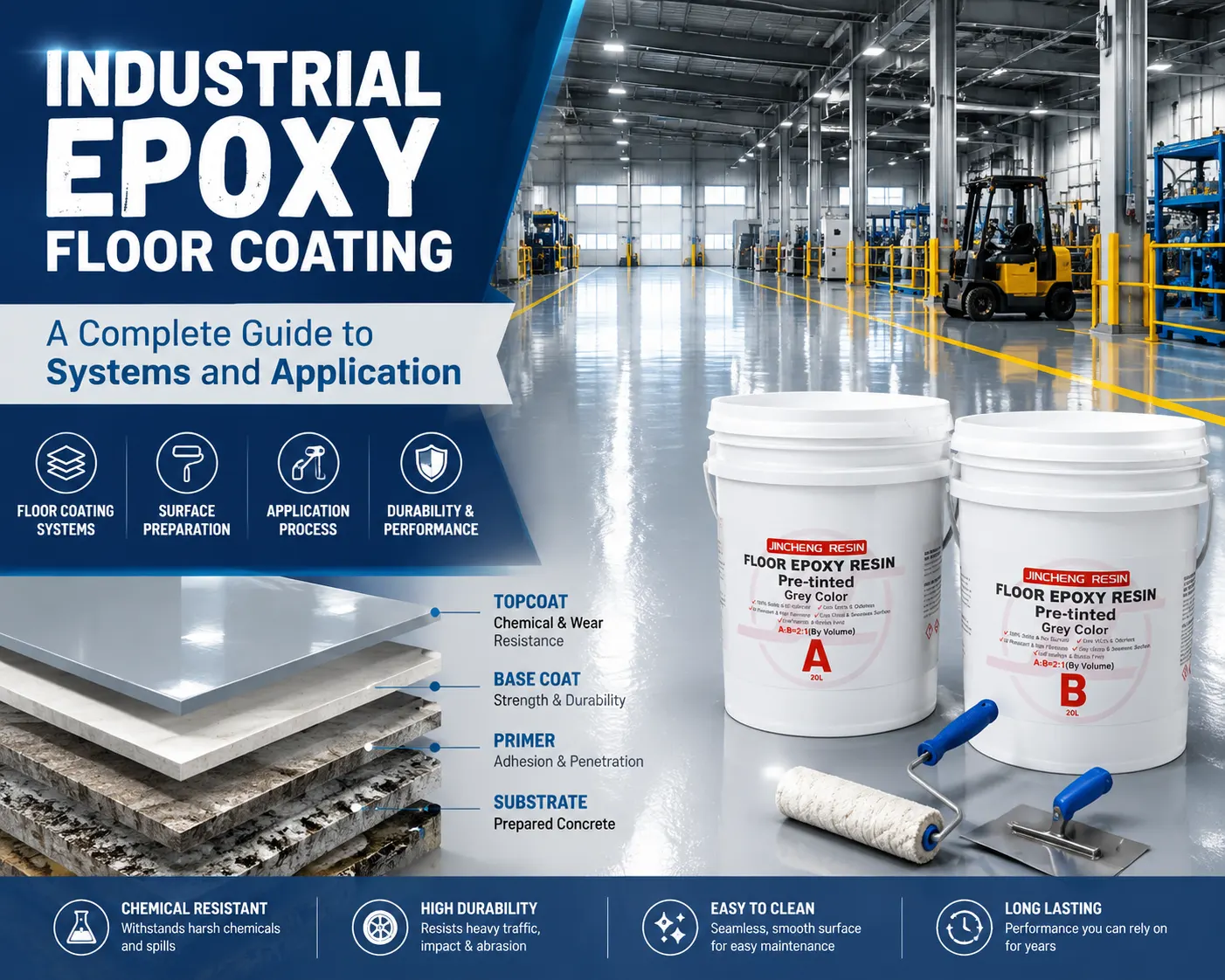
A common misconception is that flooring is a single layer of paint. In reality, a robust industrial epoxy floor coating is a composite system, typically consisting of three distinct layers: the primer, the intermediate coat, and the topcoat. Each layer serves a specific structural or protective function, working together to create a unified shield.
The Primer (Base Coat): The Foundation of Adhesion
The foundation of any flooring system is adhesion. The primer penetrates the concrete substrate to create a strong mechanical bond. Epoxy is the standard material for this layer due to its exceptional penetrating properties and adhesion strength. Without a high-quality primer, even the most expensive topcoats will fail.
However, not all primers are created equal. Depending on the site conditions, you may need specific solutions:
- Standard Epoxy Primers: Ideal for dry, stable concrete substrates where maximum penetration is required to lock the system into the pores of the slab.
- Moisture Vapor Barrier (MVB) Primers: In environments where moisture is a concern—such as ground-level slabs or older buildings—a standard primer may not suffice. Moisture vapor transmission is a “silent killer” that causes blistering and delamination. An MVB primer is a specialized, two-component, 100% solids epoxy designed specifically to stop moisture migration, ensuring the longevity of your industrial epoxy floor coating installation before the main body is applied.
The Intermediate Coat (Body Coat): Building Strength and Style
This layer builds thickness and structural integrity. For an industrial epoxy floor coating, this is often where functional additives are introduced to customize performance and aesthetics. Depending on the facility’s needs, different materials can be used in this stage:
- Colored Sand Systems: By mixing colored quartz sand into the epoxy resin, you create a textured, highly durable surface. This is excellent for areas requiring high traction, such as ramps or wet processing areas, adding both slip resistance and visual appeal.
- Vinyl Flake Systems: Vinyl flakes are broadcast onto the intermediate coat. They add a decorative element but also significantly increase the thickness of the film build. This “chip” system helps hide subfloor imperfections and adds durability to the industrial epoxy floor coating.
- Metallic and Marble Effects: For showrooms or high-end commercial spaces, metallic powders or marble-effect pigments can be mixed with clear epoxy. This creates a swirling, three-dimensional look that transforms a utilitarian floor into a design feature, proving that an industrial epoxy floor coating can be both tough and beautiful.
The Topcoat (Wear Layer): The Ultimate Shield
The topcoat determines the floor’s resistance to UV rays, abrasion, and chemicals. While basic epoxy can be used as a topcoat, advanced chemistries like Polyurethane and Polyaspartic are often preferred for their superior performance characteristics.
Our Epoxy Floor Coating Collection
We provide one-stop industrial epoxy flooring solutions, meeting your requirements for both aesthetics and functionality. From heavy-duty moisture protection to high-end decorative finishes, our product line ensures durability and style for any project.
1. MVB Epoxy Primer
The foundation of a long-lasting floor. Our MVB epoxy primer is a two-component, 100% solids product designed primarily to prevent moisture vapor from rising through the concrete. It creates a superior mechanical bond, preventing blistering and delamination, ensuring your topcoat stays intact for years.
2. Flake Epoxy Floor Coating
A perfect blend of safety and style. This system incorporates colored vinyl flakes broadcast into an epoxy base. It creates a textured, anti-slip surface that is ideal for hiding subfloor imperfections. Commonly used in garages, showrooms, and commercial plazas for its durability and attractive “terrazzo-like” finish.
3. Colored Sand Epoxy Floor Coating
Built for heavy traffic and outdoor durability. This solvent-free, self-leveling system mixes epoxy resin with colored quartz sand. It offers exceptional compressive strength and wear resistance. It is the go-to choice for walkways, patios, and industrial areas requiring a skid-resistant, seamless surface.
4. Metallic Epoxy Floor Coating
Luxury for your floor. When we mix clear epoxy with pearlescent mica powder, the resulting coating creates a highly vivid, three-dimensional marble effect. It is completely UV-resistant and delivers a seamless, high-gloss finish. Whether applied in residences, lobbies, or retail showrooms, it transforms the space into a work of art.
5. Marble Epoxy Floor Coating
It offers the realistic look of natural stone while requiring absolutely no maintenance. This self-leveling coating mimics the elegant veining of marble. It provides a hard, scratch-resistant surface that is easy to clean and maintain, offering a sophisticated aesthetic for offices and high-end commercial interiors.
Why Choose Jincheng?
Whether you need the moisture protection of our MVB Primer or the decorative flair of our Metallic and Marble systems, Jincheng provides the complete package.
- Versatility: Solutions for industrial warehouses, commercial spaces, and residential homes.
- Performance: High resistance to chemicals, abrasion, and heavy loads.
- Aesthetics: A wide variety of colors and finishes to match your design vision.
Application Best Practices for Industrial Epoxy Floor Coating
To ensure the success of an industrial epoxy floor coating, preparation is 90% of the work. Even the best materials will fail if applied incorrectly.
- Surface Preparation: The concrete must be profiled, usually via diamond grinding or shot blasting, to open the pores for the primer. This ensures the industrial epoxy floors bond mechanically rather than just sitting on the surface.
- Environmental factors: The temperature and humidity of the construction environment play a crucial role during the curing process. Polyaspartics are more forgiving in colder temperatures, while standard epoxies require moderate heat to cure correctly.
- Mixing Ratios: Epoxy systems are chemical reactions. Deviating from the specified mix ratio (e.g., 2:1 by volume or weight) will result in a floor that never fully cures or remains tacky. Precision is key to a durable industrial epoxy floor coating.
Conclusion
Whether you are outfitting a heavy manufacturing plant or a commercial showroom, the right flooring system is an investment in safety and efficiency. By understanding the distinction between the primer (like MVB), the body coat (using flakes or colored sand), and advanced topcoats like Polyaspartic, you can specify a system that meets your exact needs. An industrial epoxy floor coating is not just paint; it is a complex, engineered shield designed to protect your assets for years to come.
Need expert guidance on selecting the right system for your facility? Contact us today to discuss your project and find the perfect flooring solution.