

Waterproof Epoxy Floor Coating

Is Waterproof Epoxy Floor Coating Really Durable for Long-Term Use?

When choosing a flooring solution, one key concern for most people is: is waterproof epoxy floor coating truly durable for long-term use? Whether it’s for a garage, basement, or industrial facility, this type of coating has become increasingly popular in recent years. Compared to traditional flooring options, it not only offers a more modern appearance but also significantly enhanced functionality. But how durable is it really? Can it withstand years of wear and environmental stress? Let’s take a closer look.

What Is Waterproof Epoxy Floor Coating?

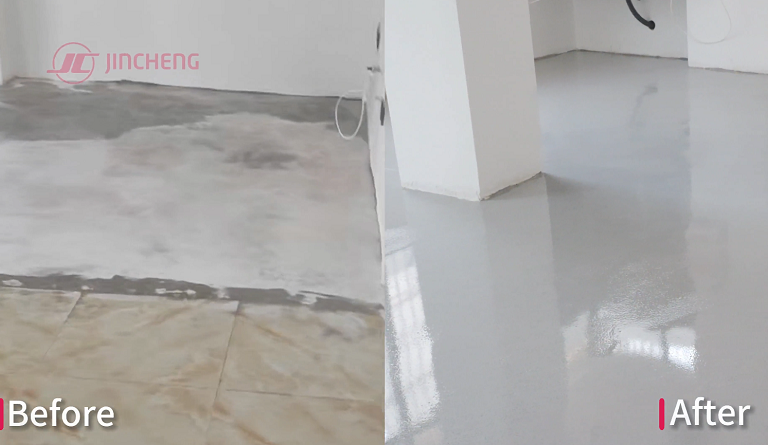
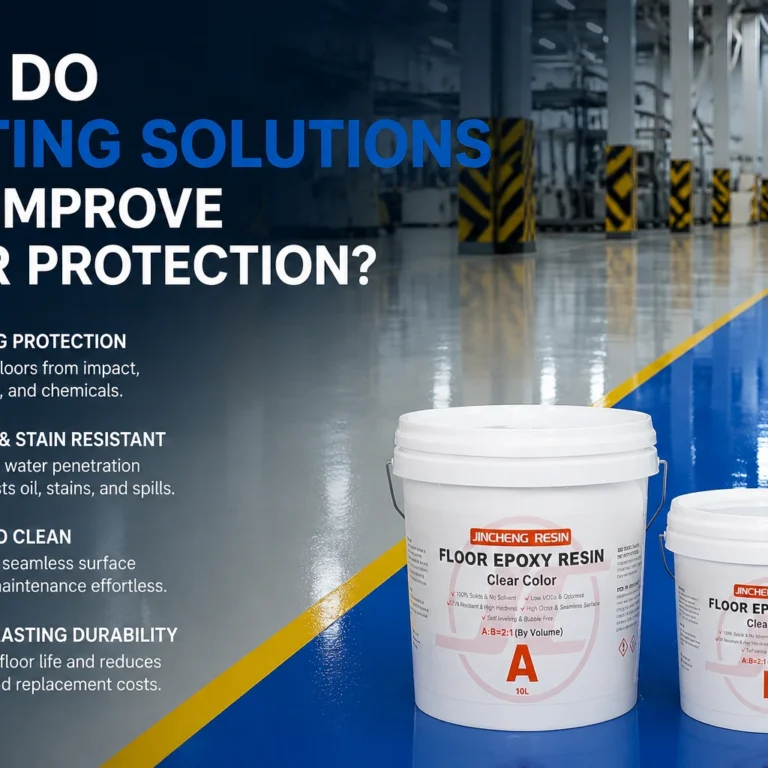
Waterproof epoxy floor coating is a flooring system that is made by combining epoxy resin and a hardener to create a strong, floor coating that is seamless, and waterproof. It can bind well with concrete and prevent moisture and dust from penetrating into its surface. Because of its durability and flexibility, it can be used in both residential and industrial settings. In addition to that, it can also be customized to create different finishes.

Waterproof Epoxy Floor Coating

Durability Performance of Waterproof Epoxy Floor Coating

1. High Resistance to Wear and Tear

The moment the waterproof epoxy floor coating dries up, it becomes a hard floor that is stronger than concrete. This implies that this floor coating has a high resistance to wear and tear that comes with vehicles moving around, heavy machines moving around, and constant foot traffic on the floor.

2. Excellent Waterproof Performance

As the name suggests, this waterproof epoxy floor coating gives excellent resistance to water. Its smooth structure helps prevent water from seeping into the concrete floor slab. This prevents further problems like cracks in the floor, growth of molds, and damage to the floor.

3. Chemical Resistance

In areas where there is exposure to oil, chemicals, and cleaning agents, such as car garages and industrial plants, waterproof epoxy floor coating is excellent at resisting corrosion.

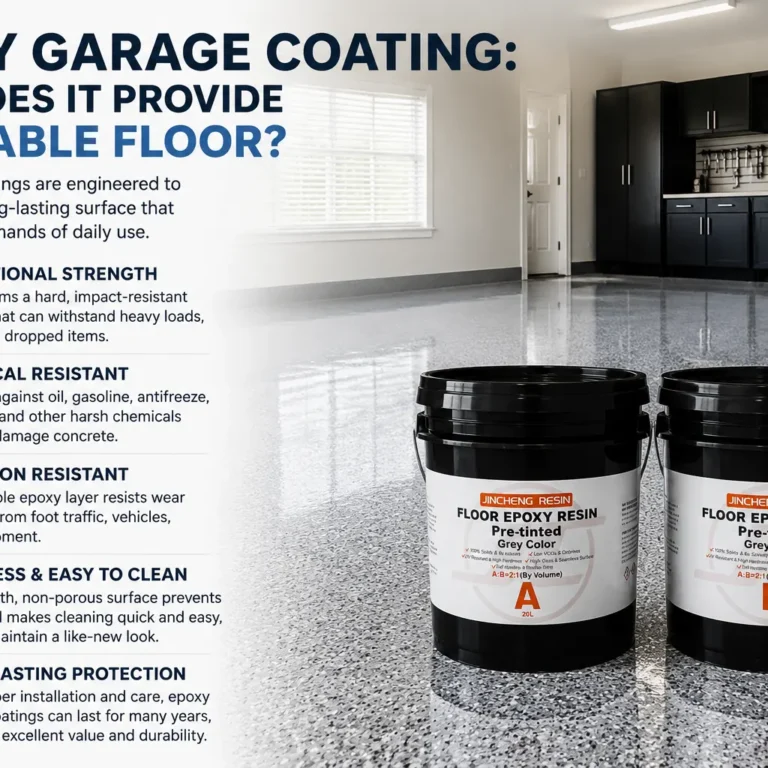
The non-porous surface of the epoxy floor coating is excellent at repelling chemicals from getting into the floor. Even in the case of a chemical spill, as long as it is cleaned up promptly, the epoxy floor coating is not damaged.

4. Long Service Life

If properly installed and maintained, waterproof epoxy floor coating has a lifespan of 10 to 20 years, and in some cases, even longer. This is obviously much longer compared to some common floor treatments.

Its long-lasting quality is brought about by the fact that this type of coating has a stable composition and is not easily affected by environmental factors. It is expected to last long, even with ordinary use.

Key Factors That Affect the Lifespan of Waterproof Epoxy Floor Coating

1. Surface Preparation

Surface preparation is one of the key factors in ensuring the overall lifespan of the floor. For example, in the case where there is dust, oil, or any impurities on the concrete floor, it may affect the adhesion between the coating and the floor.

It is therefore of paramount importance to grind the floor, clean it, and even fill any cracks on the floor to have a clean, dry, and smooth floor.

2. Application Quality

The quality of the application is also important for the overall performance of the floor. For instance, improper ratios of application may affect the overall performance of the floor.

In other instances, improper curing of the floor may result in a soft floor. Regardless of whether the floor is being applied professionally or through other means, it is important to achieve the best performance.

3. Usage Environment

The environment in which the coating is used is a major factor in determining the lifespan of the coating. In industrial environments, the coating is subjected to a lot of нагрузка, which may affect its lifespan.

On the other hand, in residential environments, the coating is subjected to less stress, hence extending its lifespan.

4. Routine Maintenance

Waterproof epoxy floor coating, as mentioned, is quite durable. However, it does not hurt to maintain it regularly. This will help prevent dirt and other particles from accumulating on the floor, hence preventing abrasion.

It’s also important to take note of the following to extend the lifespan of the waterproof epoxy floor coating: avoid dragging sharp objects on the floor, and fix any scratches on the floor immediately. This will help extend the lifespan of the waterproof epoxy floor coating.

How to Extend the Lifespan of Waterproof Epoxy Floor Coating?

  • High-quality materials should be selected to provide long-lasting performance.
  • It is recommended that epoxy floor coating should be done with the help of professionals or by referring to the guidelines.
  • Regular cleaning is recommended to avoid the accumulation of dirt and moisture.
  • In areas of heavy foot traffic, using floor mats or coatings is recommended.  
  • Any scratches should be fixed promptly to extend the lifespan of the floor coating.  

Conclusion:

In conclusion, waterproof epoxy floor coating is a floor coating that is long lasting and has the potential to bring you excellent floor coating results for many years to come. Therefore, this floor coating is definitely worth investing in if you need a floor coating that is not only waterproof but also easy to maintain.

If you are looking for a reliable floor coating solution to cater to your needs, JINCHENG is here to provide you with professional waterproof epoxy floor coating services to cater to your needs. Therefore, if you need any information regarding floor coatings, feel free to contact us anytime.

How To Apply Polyaspartic Floor Coating

How to apply polyaspartic floor coating? Detailed explanation of complete construction steps.

Polyaspartic floor coatings are increasingly favored by industrial plants, garages, and commercial spaces due to their advantages such as weather resistance, non-yellowing, wear resistance, impact resistance, quick application, and long service life. While polyaspartic floor coatings may seem like a simple application to the floor, improper application can easily lead to problems such as blistering, delamination, and uneven surfaces later on. Therefore, mastering the correct application method is crucial. Below is a detailed introduction to the application process and some practical tips for polyaspartic floor coatings.

How To Apply Polyaspartic Floor Coating

Preparation before application is extremely important and should not be neglected. It is the foundation for ensuring the quality of the floor, just like a solid foundation for building a house. First, inspect the substrate. Whether it’s new concrete or an old surface, ensure it is firm, free of loose sand and dust. Repair any cracks or holes beforehand. Second, control the dryness of the substrate. The concrete moisture content must be ≤8%, which can be tested with a moisture meter. If the humidity exceeds the standard, ventilate and bake it; otherwise, the polyaspartic floor is likely to blister and peel off later.

Ambient temperature control is crucial. The optimal temperature for construction is 5-35℃, with humidity not exceeding 85%. Work should be suspended on rainy or foggy days. If the temperature drops below 5℃, a special low-temperature curing formula is recommended; otherwise, the coating is prone to cracking. Tools required include an electric mixer, short-pile roller, metal scraper, high-pressure water gun, and industrial vacuum cleaner.

The next core construction steps are as follows: The first step is substrate preparation. Clean the ground thoroughly of dust and oil. Use a special degreaser to remove oil, then rinse with a high-pressure water gun, and finally vacuum up any remaining dust, ensuring the surface is free of impurities and obvious water stains. If the surface is uneven, use a large grinder to smooth it; this ensures a tight adhesion and prevents blistering of the subsequent coating.

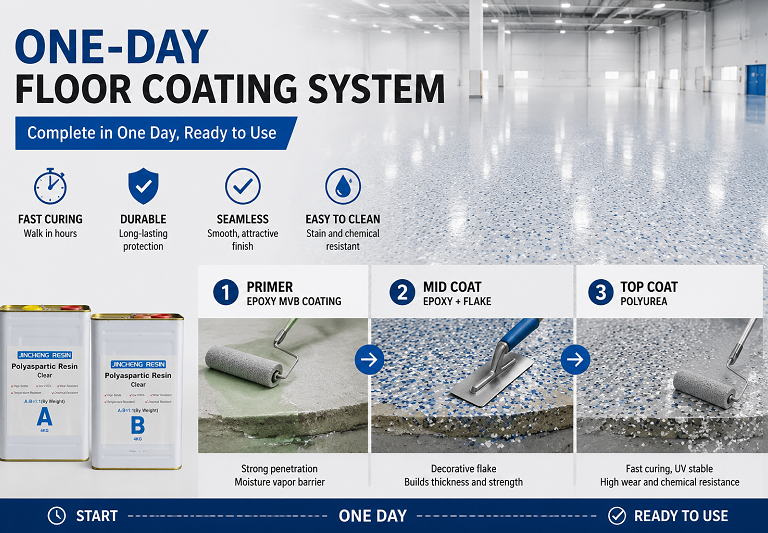
The second step is primer application. The primer acts as an intermediary, enhancing the adhesion between the coating and the substrate and sealing any pores. Before application, mix the polyaspartic floor coating according to the manufacturer’s instructions, stirring with an electric mixer for 2-3 minutes until there are no particles and the color is uniform. Let it stand for 1 minute to defoam. Apply 1-2 coats evenly with a short-nap roller. Allow to cure for 24 hours at room temperature. It’s ready when it’s no longer sticky to the touch and can proceed to the next step.

The third step is the intermediate coat. If higher wear resistance or thickness is required, an additional intermediate mortar layer can be added. This step primarily increases the strength and overall thickness of the flooring. During application, mix polyaspartic resin with quartz sand in the correct proportions, then apply it evenly to the floor using a trowel. Ensure even thickness during application to avoid unevenness. After the intermediate coat is cured, allow it to cure completely, then sand the entire surface again to create a smoother finish, preparing for the topcoat application.

Topcoat application: The topcoat is the final step in the entire flooring system and a crucial factor in determining the floor’s appearance and performance. Generally, a roller is used to apply the topcoat evenly. For better results, it’s recommended to apply it in two coats: the first coat seals the intermediate coat and improves overall smoothness. The second coat enhances gloss and wear resistance, while also making the surface color more uniform. For non-slip surfaces, anti-slip granules can be sprinkled during the first coat of topcoat, followed by the second coat.

Finally, curing is crucial. After application, the polyaspartic floor coating will be surface dry in 4-12 hours at room temperature. Light pedestrian traffic is permissible after 24 hours, and it reaches optimal performance and is ready for normal use in 3 days. During curing, avoid rain, direct sunlight, heavy impacts, and contact with acids, alkalis, and other chemical reagents. Construction workers must wear masks, gloves, and goggles. Maintain good ventilation on-site and keep flammable materials away from fire sources.

In conclusion, while the application of polyaspartic floor coatings is not overly complex, each step requires careful attention. From substrate preparation and primer application to topcoat completion, every step affects the final floor finish. By adhering to specifications and using reliable materials, a durable, aesthetically pleasing, and long-lasting flooring system can be achieved.

Finally, Jingcheng has been developing floor coatings for over 20 years. If you have any needs for floor coatings, please feel free to contact us. We have the most professional engineers and sales staff to serve you.

Polyaspartic Garage Floor Coating Reviews 2

Polyaspartic garage floor coating reviews

With the increasing demand for garage floor upgrades, polyaspartic acid floor coatings have become a popular choice for home, community, and commercial garage renovations due to their superior performance. But is this type of floor coating worthwhile? What are the real user reviews? This article provides a comprehensive analysis of the aspects of performance, advantages, disadvantages, and user experience. Finally, we will also include pictures of real user reviews.

Polyaspartic Garage Floor Coating Reviews 2

First, we need to know what polyaspartic acid floor coating is.

Polyaspartic acid floor coating (also known as aspartic polyurea flooring) is a third-generation aliphatic polyurea high-performance flooring material. Its core advantages are fast drying, weather resistance, wear resistance, and environmental protection. It was first used in the fields of steel structure anti-corrosion and industrial protection. In recent years, it has been widely used in concrete flooring, especially garage flooring, warehouse flooring, and commercial flooring.

Why is polyaspartic acid floor coating suitable for garages?

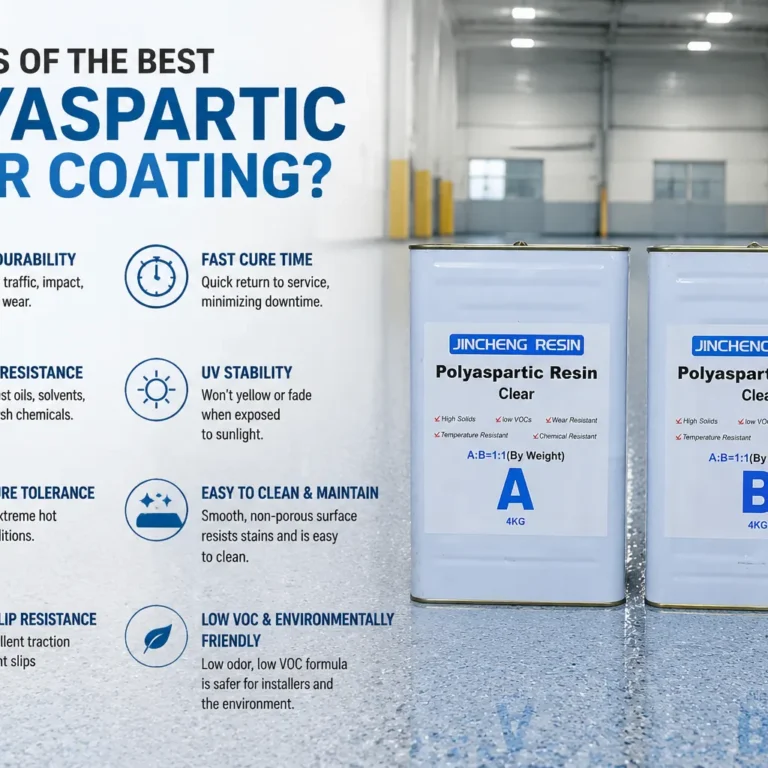
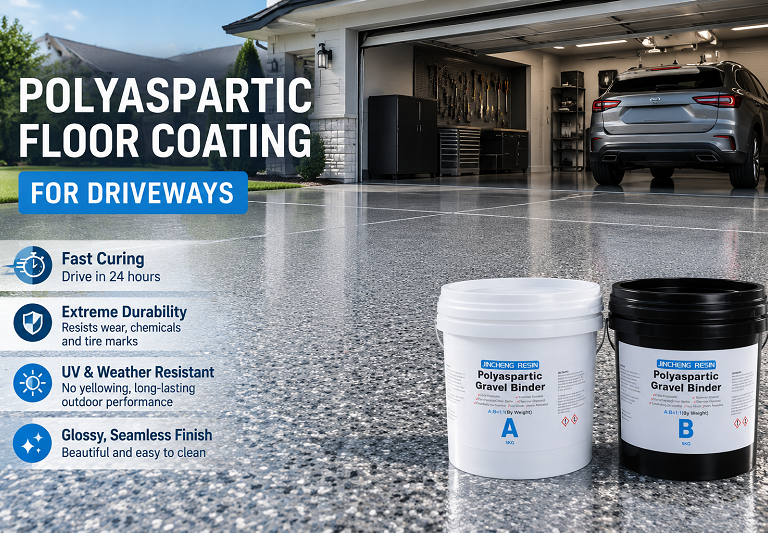
Wear Resistance: Garage floors endure daily wear from vehicles, tires, and heavy objects, making wear resistance a core performance characteristic. Polyaspartic acid garage floor coatings are high-performance aliphatic coatings with high density and hardness. Unlike ordinary epoxy paints, which are easily scratched and worn, these coatings prevent noticeable scratches from daily vehicle traffic and the movement of goods. Even in high-traffic areas like commercial underground parking garages, they maintain their pristine condition for a long time.

Weather-resistant, moisture-proof, and stain-resistant: Underground garages are generally damp and dark, and prone to rainwater seepage and oil spills. Ordinary paints are prone to blistering when exposed to moisture and are difficult to clean when stained with oil, becoming dirty and unsightly over time. Polyaspartic acid floor coatings have excellent weather resistance and stain resistance, and also possess excellent moisture-proof and waterproof properties, firmly locking onto the ground substrate and preventing moisture penetration. Even in long-term damp environments, they will not blister or peel.

Furthermore, this coating has outstanding resistance to oil stains and acids/alkalis. Spilled engine oil, brake fluid, and everyday dirt can be easily wiped clean with a damp cloth without penetrating the ground and leaving stubborn marks.

Moreover, it has excellent UV resistance. For private garages, even under direct sunlight, it will not yellow, fade, or age, maintaining a bright and clean appearance.

Therefore, polyaspartic acid floor coatings are suitable for both residential and commercial garages.

High adaptability: Polyaspartic acid floor coatings not only have excellent performance, but also have very high adaptability. They can be combined with substrates such as colored quartz sand, rock chips, and mixed sand to create brightly colored and beautiful flooring, which can be applied to different scenarios such as commercial and amusement parks. At the same time, matte, glossy and other effects of the floor can be created according to customized needs.

What are the disadvantages of polyaspartic acid floor coatings?

No floor coating is perfect, and polyaspartic acid floor coatings are no exception.

Relatively High Price: Compared to epoxy floor coatings, polyaspartic acid floor coatings are significantly more expensive. Currently, the market price for polyaspartic acid floor coatings ranges from $7.27 to $19.50 per kilogram. The specific cost for an average family garage depends on the concrete substrate preparation and construction techniques. For families with limited budgets, cost is indeed a very important factor.

Higher Construction Requirements: Polyaspartic acid floor coatings have a very fast curing time, which is both an advantage and a disadvantage. The fast curing time also means a very short window for application. If inexperienced personnel attempt to apply the coating, problems such as bubbles and uneven coating can easily occur. Therefore, we generally recommend hiring a professional construction team.

Slippery in Wet Environments: The surface of polyaspartic acid flooring is relatively smooth, and without the addition of anti-slip materials, it can be slippery in wet environments. However, this can be solved by adding anti-slip materials or rock chips.

In summary, polyaspartic acid floor coatings perfectly solve many of the pain points of traditional floor paints. They are wear-resistant, easy to clean, quick to apply, environmentally friendly, and odorless, balancing practicality, aesthetics, and cost-effectiveness. Although the unit price is higher than that of ordinary epoxy coatings, the overall cost is more economical due to their ultra-long service life and extremely low repair rate. Finally, we have attached positive reviews of our polyaspartic acid floor coatings.

Polyaspartic garage floor coating reviews
图片1
图片2
Polyaspartic Floor Coating

How to apply polyaspartic floor coating?

Polyaspartic floor coatings have become increasingly popular in industrial floors, parking lots, commercial spaces, and warehousing and logistics facilities in recent years. Their advantages, such as fast curing speed, strong weather resistance, wear and corrosion resistance, and short construction cycle, make them widely used in projects with high construction efficiency requirements.

Polyaspartic Floor Coating

However, even the best materials require correct construction methods to achieve their optimal performance. Many flooring projects experience problems such as blistering, delamination, and peeling, which are often not due to material quality issues, but rather to improper handling of construction details. Below, Jingcheng will provide a detailed introduction to the construction methods and key steps of polyaspartic acid floor coatings, hoping to be helpful to everyone.

Preparation and base surface treatment before construction

Preparing the necessary tools and materials before construction can effectively prevent delays during the process. For example, check if the A and B components of the polyaspartic acid floor coating are complete and undamaged, and ensure that the matching hardener and thinner are complete.

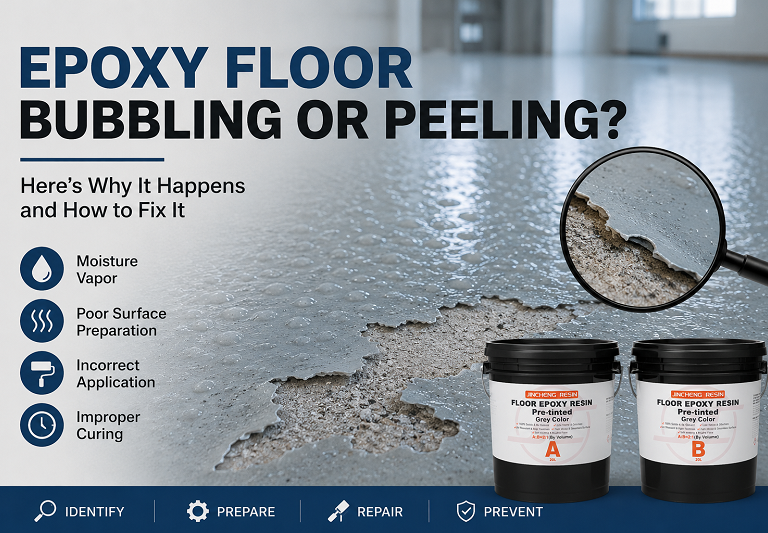
Substrate preparation is one of the core aspects of the entire construction process. Many instances of hollow spots and delamination in flooring later on stem from inadequate substrate preparation. The first step is to check the strength of the concrete substrate. Generally, the concrete strength should reach C25 or higher, and the surface should be free of obvious sand, cracks, or oil stains. If the substrate quality is poor, it needs to be repaired or ground beforehand. Finally, the moisture content of the ground should be below 8% (excessive ground humidity can easily lead to primer failure, resulting in delamination, blistering, etc.). If the humidity is too high, it should be ventilated and dried promptly; construction on wet surfaces is strictly prohibited.

Material proportions

Polyaspartic floor coatings are generally two-component materials (a small number are single-component). When mixing, it is crucial to strictly follow the manufacturer’s instructions. Components A and B are typically mixed in a 1:1 mass ratio. Do not arbitrarily change the ratio, otherwise incomplete curing and insufficient hardness may occur. When mixing, first stir component A thoroughly, then add component B and stir with an electric mixer at low speed for 3-5 minutes to ensure the two components are fully combined, without particles or color differences. After stirring, let it stand for 2 minutes to defoam and prevent pinholes and bubbles in the coating after application. (Note that after mixing, the application should be carried out as soon as possible. The curing window for polyaspartic  floor coatings is very short, typically between 40-50 minutes, and is affected by temperature; higher temperatures result in faster curing.)

Layered construction

Polyaspartic flooring construction generally involves three steps: primer, intermediate coat, and topcoat. Each layer must be fully cured before proceeding to the next.

The primer is a crucial step in PAA flooring construction, enhancing adhesion and sealing the substrate. It penetrates the concrete, creating a strong bond between the coating and the substrate. For highly absorbent concrete substrates, the amount of primer used can be increased. After primer application, it typically cures in about one hour (the exact time depends on temperature).

The intermediate coat primarily improves the floor’s wear resistance and smoothness. Quartz sand or powder is usually added to the intermediate coat to form a more robust structural layer. The intermediate coat cures in approximately 12-24 hours. After curing, it requires light sanding again to eliminate uneven areas and remove dust.

The topcoat is the final step in the entire flooring coating process and determines the floor’s appearance and protective properties, such as high-gloss or matte finishes, and UV resistance. The topcoat will be surface dry in 2-4 hours after application, and pedestrian traffic is allowed after 24 hours. It will reach its optimal hardness and wear resistance after 7 days. During this period, it is strictly forbidden to run over it with heavy objects or scratch it with sharp objects. Avoid contact with corrosive substances such as acids, alkalis, and oils. Do not sprinkle water or mop the floor in advance.

In general, the application method for polyaspartic floor coatings is not complicated. The key lies in substrate preparation, material mixing ratios, and environmental control during construction. As long as the standard procedures are followed, you can achieve a high-quality floor finish that is wear-resistant, aesthetically pleasing, and has a long lifespan.

If you need the most cost-effective, high-quality polyaspartic floor coatings, please contact Jingcheng. We have the most professional engineers and sales staff to serve you.

Polyaspartic Acid Floor Coating 2

What is the price of polyaspartic acid floor coatings? Latest price details for 2026.

In recent years, polyaspartic acid floor coatings have become increasingly common in industrial, commercial, and residential garage applications. Their advantages, such as rapid curing, wear resistance, and UV resistance, have made them a top choice for floor renovation. This has led to significant price concerns. Jingcheng has compiled detailed and relevant market price information and influencing factors to help you accurately plan your budget and make cost-effective purchasing decisions.

Polyaspartic Acid Floor Coating 2

1. 2026 Basic Price Range for Polyaspartic Acid Floor Coatings

Based solely on the raw material cost of polyaspartic acid floor coatings (excluding labor costs), the current mainstream market price is $7.27-$19.50 per kilogram (as a topcoat, approximately 0.1-0.2 kg of coating can cover one square meter of flooring). However, prices will fluctuate depending on factors such as product quality, formulation, and brand influence.

If a complete construction system is included (including floor preparation, primer, finishing coat, and topcoat), the overall price is typically $5-$12 per square foot. For example, the cost of polyaspartic acid flooring for a standard double garage (approximately 400 square feet) is typically between $2000 and $4800.Comparison of Epoxy Floor Coatings and Polyaspartic Floor Coatings

2.When choosing a floor coating, it’s inevitable to compare epoxy floor coatings and polyaspartic floor coatings.

Epoxy floor coatings are indeed more affordable than polyaspartic floor coatings, costing approximately $4-8. However, polyaspartic floor coatings offer superior performance. They cure extremely quickly, allowing for light traffic within 24 hours and vehicle compaction within 72 hours, minimizing downtime. Furthermore, they possess excellent UV resistance, resisting yellowing and fading even under prolonged exposure to direct sunlight. With proper maintenance, their lifespan can reach 15-20 years, significantly reducing the cost of frequent renovations. If cost is calculated based on lifespan, the cost difference between epoxy and polyaspartic flooring is actually minimal

3. What factors influence the price of polyaspartic acid floor coatings?

(1) Different product formulations: The core component of polyaspartic acid floor coatings is polyaspartic acid ester resin. The purity and molecular structure of the resin directly determine the base price. If the product also requires high UV resistance, chemical corrosion resistance, strong wear resistance, scratch resistance, anti-slip properties, low VOCs, and other functional additives, the price will be correspondingly higher.

(2) Construction area and surface condition: The size of the construction area directly affects the cost of polyaspartic acid flooring. The larger the construction area, the lower the labor cost and material waste; conversely, the lower the area, the higher the cost. If the surface condition of the base layer is damaged concrete flooring with cracks, oil stains, unevenness, etc., additional repair and leveling work is required, which will directly increase the total construction cost. The overall construction cost of a smooth and clean new concrete floor is much lower than that of an aged and damaged old base surface. (3) Application in Different Scenarios

The price of polyaspartic acid (PAA) flooring varies depending on the application scenario. For example, outdoor projects require specialized weather-resistant PAA flooring coatings, which have stronger formula stability and are more expensive than general-purpose indoor coatings. In industrial settings, multiple coats of PAA flooring coating are needed, increasing the cost with each additional coat.

4. Conclusion

While PAA flooring coatings are relatively expensive, their performance and lifespan make them a more cost-effective flooring solution. Finally, if you would like to obtain specific quotes or comprehensive solutions for PAA flooring coatings, please contact us. We have highly professional flooring coating engineers and sales staff to help you solve your problems.

Epoxy Flake Floor Colors

Are Epoxy Flake Floor Colors Customizable for Different Design Styles?

In the contemporary flooring design world, epoxy flake colors have become the most popular option for homeowners, garages, and commercial spaces. Epoxy flake floor colors provide the best flooring solution with respect to strength, slip resistance, and maintenance. Moreover, these colors allow users to express themselves with the option of combining different colors.

What Are Epoxy Flake Floor Colors?

Epoxy flake floor colors are the most popular flooring design that involves the use of flakes of different colors. These flakes are sprinkled over an epoxy base. A typical Epoxy flake flooring design consists of an epoxy primer, flakes, and a clear coat. The primer is used for better adhesion with the concrete surface. The flakes provide the color. Finally, the clear coat is applied for better flooring. By modifying the colors of the flakes, the size of the flakes, and the amount of flakes, different styles can be achieved.

Epoxy Flake Floor Colors

Why Are Epoxy Flake Floor Colors Highly Customizable?

Unlike other flooring colors, epoxy flake floor colors are highly customizable. These colors can be customized with respect to the following:

1. Flexible Color Combinations

Decorative flakes are usually made from multiple color blends, such as:

  • Gray + white + black
  • Blue + gray
  • Beige + brown

By adjusting the color ratio, installers can create different styles of epoxy flake floor colors, making them suitable for a wide range of environments and design preferences.

2. Different Flake Sizes

Decorative flakes are available in different sizes, for example:

  • Small flakes (more delicate appearance)
  • Medium flakes (most common option)
  • Large flakes (stronger texture effect)

The flake size directly affects the visual texture of the floor, making epoxy flake floor colors appear either more refined or more textured.

3. Adjustable Coverage Density

The coverage rate of decorative flakes during installation can also be customized. For example:

  • Partial broadcast: creates a lighter decorative effect
  • Full broadcast: completely covers the surface with flakes for a more uniform look

Different coverage levels allow epoxy flake floor colors to present different design styles.

Which Design Styles Best Match the Epoxy Flake Floor Colors Resin Veneer Flooring?

Because of the variety of mixed colors, the epoxy flake floor can match different interior design schemes. The combination of different colors can also produce modern, industrial, or natural looks.

Modern Minimalist Style

Modern spaces usually focus on simplicity and clean visual effects, so flooring colors often use gray or neutral tones. For example, a light gray and white combination can make the space look brighter, while cool gray blends create a more modern atmosphere. If a stronger contrast is desired, a black and white mix can also be used, which creates a classic and timeless look.

Modern industrial style

In this style, the colors used for the flooring are dark, including gray or charcoal. These colors have the power to create an industrial look. A combination of dark colors with light flecks can create the desired look. These colors can complement the use of exposed metal or concrete.

Warm & Natural Style

With the Warm & Natural method, you will notice that warm shades of beige and brown are those that can carry off the look you want for your floors. These colors can complement the use of natural stones.

Commercial Space Style

In this style, the flooring colors should have the power to create a polished look. In this style, the colors include shades of gray. The selection of epoxy flake colors has to do with creating the right look without compromising functionality. Epoxy flake colors can be used in tandem with blue-gray colors to create a cohesive look.

How to Choose the Right Epoxy Flake Floor Colors

When selecting epoxy flake floor colors, several factors should be considered:

  1. Space Usage: Garages, warehouses, and commercial spaces are usually better suited to darker colors that can hide dirt.
  2. Lighting Conditions: Spaces with limited lighting may benefit from lighter epoxy flake floor colors, which can make the area appear brighter.
  3. Wall and Furniture Colors: The floor color should match the overall design style of the space to avoid visual imbalance.
  4. Maintenance Needs: Multi-color epoxy flake floor colors often help hide dust and stains more effectively.

Conclusion

To conclude, epoxy flake floor colors for floors are extremely versatile and can be tailored to meet different design requirements. One can easily modify colors to meet design requirements while ensuring functionality at the same time. The right color can make all the difference in the room, creating a refined look that is both professional and presentable with a sense of order and planning. By taking all these considerations into account when planning the flooring, it is possible to create a surface that is not only long-lasting but also aesthetically pleasing. Are you looking for a reliable flooring option? JINCHENG offers a whole range of colors for customization. Get in touch with us for more information on the product.

Industrial Epoxy Floor 4 800x400

What Are the Best Industrial Epoxy Floor Coatings?

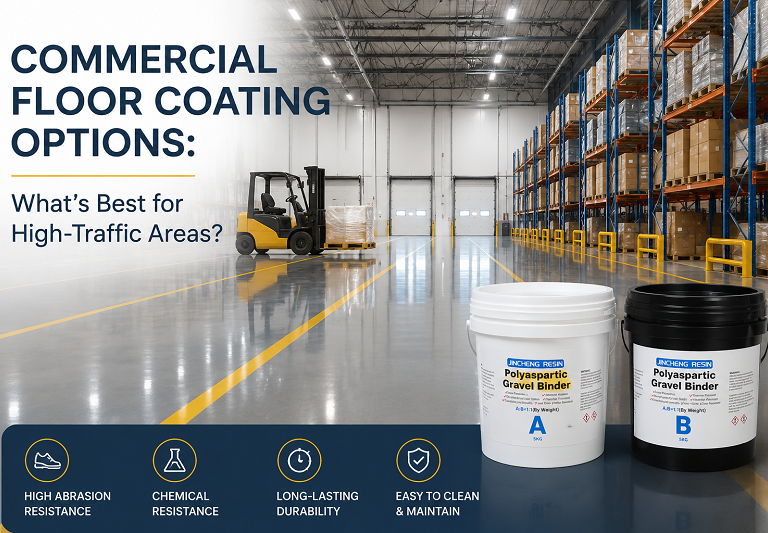
In industrial production scenarios, the performance of floor coatings directly affects workshop safety, production efficiency, and maintenance costs. With core advantages of wear resistance, compression resistance, dustproofing, and corrosion resistance, epoxy floor coatings have become the preferred material for industrial floors, widely used in factories, warehouses, parking lots, electronics plants, food factories, pharmaceutical workshops, and other places. As different industrial environments have different requirements for floor performance, there are various types of industrial epoxy floor coatings. Below are several common and high-performance industrial epoxy floor systems.

1. Epoxy Colored Quartz Sand Floor Coating

Epoxy mortar flooring is a thick-film floor system made by adding colored quartz sand to epoxy resin, with a total thickness generally ranging from 1–3 mm. Compared with ordinary thin-coat flooring, epoxy mortar flooring has better wear resistance, impact resistance, and load-bearing capacity. It is suitable for machining workshops, logistics warehouses, heavy equipment areas, and places with frequent forklift traffic. The quartz sand reinforces the coating structure, effectively enhancing strength and durability, making it a commonly used floor system in industrial environments.

2. Epoxy Anti-Static Floor Coating

In industries such as electronic manufacturing and precision instrument production, static electricity can severely damage equipment and products, so anti-static epoxy flooring is required. By adding conductive materials, this floor can effectively discharge static electricity to protect electronic components and equipment. In addition to anti-static function, it also inherits the wear-resistant, dustproof, and corrosion-resistant properties of ordinary epoxy flooring, widely used in electronics plants, computer rooms, communication equipment workshops, and other places.

3. Epoxy Anti-Slip Floor Coating

Slip resistance is particularly critical in wet or oily industrial environments. Epoxy anti-slip flooring is made by adding anti-slip particles or quartz sand into the coating to create a slightly rough surface, thus improving slip resistance. This floor is suitable for food processing plants, cold storage, underground parking lots, ramps, and loading/unloading areas. It improves safety and effectively reduces slip-and-fall accidents.

4. Epoxy Thin-Coat Floor Coating

Epoxy thin-coat flooring is the most common type of industrial flooring (low cost, easy construction), usually composed of primer, intermediate coat, and top coat, with a total thickness of about 0.3–0.8 mm. It features simple construction, low cost, good dustproofing, moisture resistance, and decorative effect. With a smooth and level surface that is easy to clean, it is suitable for general industrial plants, warehouses, light industrial workshops, and parking lots. For areas with light load and moderate wear resistance requirements, epoxy thin-coat flooring is a highly cost-effective choice.

5. Summary

When selecting industrial epoxy floor coatings, we must consider the actual environment: heavy load, chemical corrosion, humidity, frequent forklift or heavy equipment traffic, slip resistance, static control, as well as budget and construction period. By balancing performance and practicality to choose the most suitable floor type, we can create a durable, safe, and attractive industrial flooring system.

Epoxy Paint Use

Planning Your Next Floor Project? Learn About Epoxy Paint  Knowledge

In industrial, commercial, and domestic flooring applications, epoxy paint use is highly prevalent due to its durability. Epoxy resin paint is a highly advanced paint composed of epoxy resin and a curing agent. It offers a strong and durable surface resistant to heavy loads and frequent usage. Therefore, epoxy paint use is highly prevalent in flooring applications, equipment areas in industries, and workshop floors.

Epoxy Paint Use

What Are the Different Types of Epoxy Coatings?

There are different types of epoxy resin paint, and epoxy paint use can be varied according to performance specifications and environmental conditions.

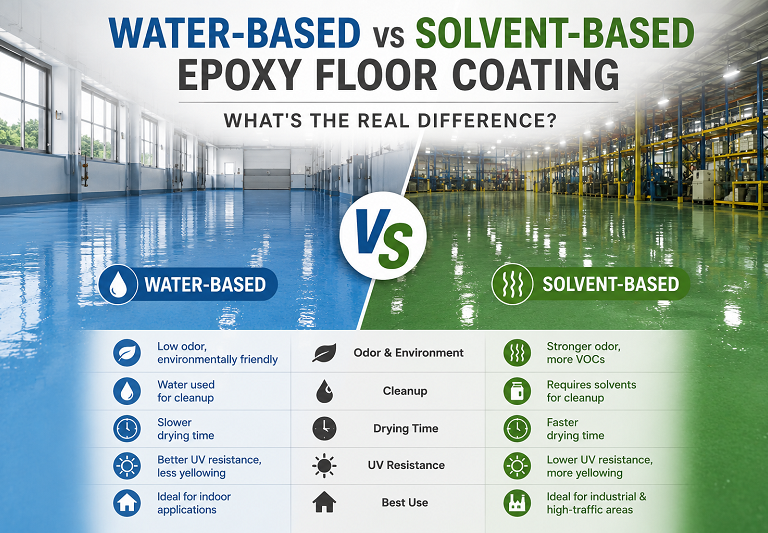
(1) Water-Based Epoxy Paint

Water-based epoxy paint uses water as the solvent. It offers a highly advanced environmental profile with low VOC emissions. This type of epoxy paint use is applicable for indoor flooring or areas with stringent environmental conditions.

(2) Solvent-Based Epoxy Coatings

Solvent-based epoxy coatings are used in applications that demand better chemical resistance as well as higher surface hardness. In comparison to water-based systems, the use of epoxy paint of this type shows better leveling characteristics and produces a more even coating layer.

(3) 100% Solid Content Epoxy Resin Paint

This type of epoxy paint use does not contain any solvents in its composition. It produces a thick layer of paint that can be used in the coating process. It can be used in the coating process for floors that experience heavy loads.

(4) Metallic Epoxy Floor Coatings

Metallic epoxy floor coatings contain metallic particles that can be used to improve the appearance of the paint. This type of epoxy paint use can be used in commercial areas where the appearance of the floor is a requirement.

    Benefits of Using Epoxy Resin Paint

    The advantages of epoxy paint make it a favored choice in numerous flooring systems.

    1. Wear- resistant and durable epoxy paint use allows coatings to maintain face integrity indeed under heavy loads, extending the service life of bottoms.
    2. Chemical resistance epoxy paint use protects acids, alkalis, and oil painting impurities, making it suitable for artificial shops, laboratories, and chemical installations.
    3. Strong adhesion epoxy paint use enables tight bonding with concrete, ensuring and other substrates, reducing shelling and delamination pitfalls.
    4. Smooth and easy to clean epoxy paint creates a flawless and lustrous finish, perfecting brilliance and simplifying daily conservation.

    Common Operations of Epoxy Coatings

    Epoxy resin coatings are extensively applied in colorful flooring systems because epoxy paint use offers wear and tear resistance, cargo- bearing strength, and chemical protection.

    (1) Industrial and Heavy- Duty surroundings

    In storage and logistics centers, epoxy paint use strengthens concrete, reduces dusting and cracking, and can include thickmid-coats for high- cargo areas.

    (2) Commercial and Public Spaces

    For promenades, exhibition halls, and parking garages, epoxy paint use creates flawless, easy- to-clean shells with options for buff or ornamental homestretches.

    (3) Chemical and Specialized surroundings

    In labs or chemical shops, epoxy paint use offers a chemical- resistant subcaste, and redundant wear and tear-resistant greatcoats can be added for enhanced continuity.

    Frequently Asked Questions

    Q1: Can epoxy paint be used as primer, mid-coat, and topcoat?

    Yes. One major advantage of epoxy paint use is its flexibility. Depending on construction needs and budget, epoxy systems can be adjusted to function at different structural levels.

    Q2: What is the difference between epoxy and polyurethane coatings?

    Epoxy paint use emphasizes strong adhesion and chemical resistance, making it suitable for industrial and warehouse applications. Polyurethane coatings have better UV resistance and flexibility and are commonly used as topcoats.

    Q3: Is a three-layer epoxy flooring system necessary?

    Not always. For light-duty applications, epoxy paint can be used in a single layer. However, multi-layer systems are more durable in high-traffic or high-load areas.

    Why Choose JINCHENG Epoxy Resin?

    JINCHENG’s epoxy coatings can meet diverse industrial and commercial requirements, providing dependable protection and long-term durability.

    The advantages of choosing JINCHENG Epoxy Resin:

    1. Technical team: JINCHENG has 20 professionals with more than 15 years of experience, providing reliable solutions for the use of high-quality epoxy paint.
    2. Quick development and sample supply: JINCHENG can complete the development samples within three days, which can meet the needs of efficient project development and consistent standards for the use of epoxy paint.
    3. 100% batch inspection: All the raw and finished products are inspected, ensuring the consistent use of epoxy paint.
    4. OEM and ODM: Traceable sample management can meet the needs of different markets for the use of epoxy paint.

    Conclusion

    On the whole, the application of epoxy paint plays a very important role in the engineering of floors, owing to its excellent adhesive properties, durability, and resistance to chemicals. In selecting a reliable supplier, technical expertise and quality control go hand in hand. JINCHENG specializes in industrial epoxy coating research and manufacturing, providing reliable epoxy paint use services for ensuring stability in projects. For professional services and excellent epoxy paint use, please contact us.

    Best Epoxy Coating For Garage Floor

    How Do You Choose the Best Epoxy Coating for Garage Floor?

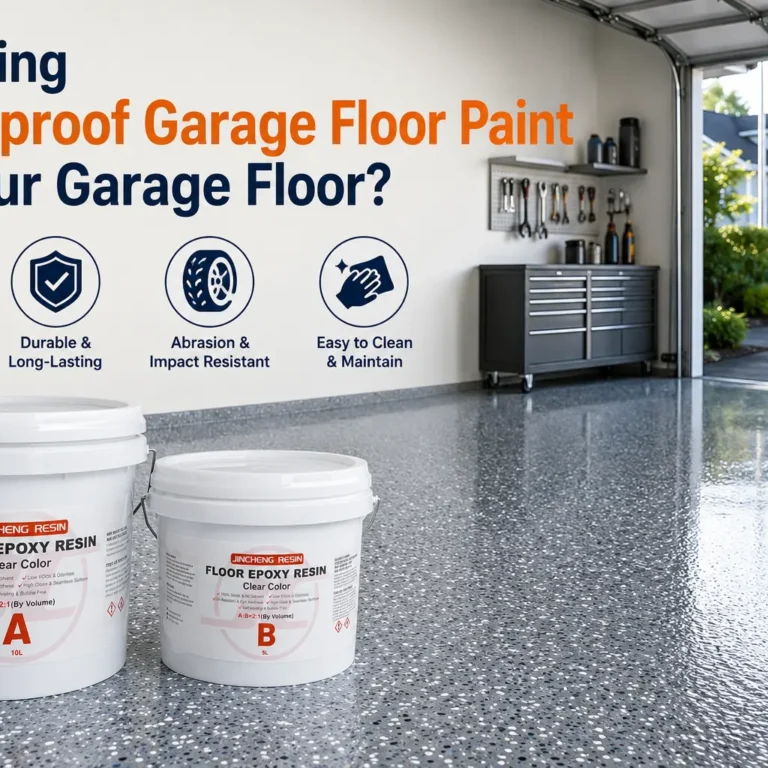
    The floor is the most easily overlooked part during garage renovation or remodeling, yet the garage floor coating is the most crucial step of the entire project. Vehicle oil leaks can cause issues such as dusting, cracking and stubborn stains on the floor, which are also extremely difficult to maintain later on. For this reason, choosing a suitable and high-quality floor coating for the garage is of great importance. Among all options, epoxy floor coating can significantly extend the service life of the garage floor and create a sleek, aesthetic finish. It also reduces the labor and material costs of daily maintenance, making it a key element in building an ideal functional garage space.

    Best Epoxy Coating For Garage Floor

    1. What Is Epoxy Coating and Why It Matters

    Epoxy coating is a robust protective material designed specifically for concrete surfaces. Epoxy forms a hard, seamless, and smooth layer protecting the concrete surface from damage. Epoxy is far better in terms of protection compared to bare concrete. The following are some practical benefits:

    • Enhanced wear resistance for frequent vehicle traffic
      The epoxy coatings are designed to withstand tire friction and everyday use, which can prevent wear, dusting, and deterioration of the surface over time.
    • Protection against oil, moisture, and chemical penetration
      A non-porous finish prevents the soaking in of automotive fluids, water, and cleaning solutions, which can cause staining.
    • Improved appearance for a clean, professional look
      These epoxy floor coatings are available in different finishes that cover the look of the floor with a highly polished, professional look, much like those found in industrial settings.

    Hence, epoxy systems are found to be at the best epoxy coating for garage floor owing to these advantages.

    2. Choosing the Right Type of Epoxy Coating

    Understanding the differences between epoxy coating types is essential before making a decision. Most garage floor epoxy products fall into the following three categories, each with distinct performance characteristics:

    • Epoxy Flake Flooring
      Epoxy flake floor is a multi-layer composite high-performance decorative and wear-resistant floor finish. With epoxy resin as the film-forming and bonding matrix, high-quality composite flakes are evenly scattered on it, followed by troweling and sealing with a topcoat to form a seamless integral floor. It features outstanding high compressive strength and wear resistance, making it ideal for garage floors and also one of the most popular floor coatings on the market.
    • Epoxy Metallic Flooring
      Epoxy metallic floor is a seamless, high-decorative and high-performance flooring system formulated with solvent-free/high solid content epoxy resin as the base material and added with metallic pigments (aluminum powder, copper powder, pearlescent metallic powder). The pigments flow naturally during the epoxy curing process, creating a unique 3D flowing texture that resembles liquid metal, natural marble or lava, boasting exceptional aesthetic value and ranking among the most popular choices for garage floors on the market.
    • Epoxy Colored Sand Flooring
      Epoxy colored sand floor is a seamless integral flooring system made with epoxy resin as the bonding matrix and mixed with colored quartz sand as the aggregate. Leveraging the high hardness of quartz sand and the strong adhesion of epoxy resin, it combines practical wear resistance with three-dimensional decorative effects. As a classic type of epoxy flooring with heavy load resistance and scratch resistance, it is highly suitable for large-scale garage floors.

    3. Matching the Coating to Your Garage Usage

    The choice of garage floor coating varies according to different usage scenarios. For example, epoxy flake flooring or epoxy metallic flooring is an ideal choice for residential garages or community garages; while epoxy colored sand flooring is more suitable for industrial storage areas and heavy equipment operation zones. The frequent entry and exit of vehicles, as well as the floor’s exposure to oil stains and various chemicals, are core considerations, which directly influence the requirements for the wear resistance and durability of the floor coating. To ensure that the epoxy garage floor coating delivers optimal performance, maintains strong adhesion and a sleek appearance, selecting a product that aligns with the actual usage scenario is the key.

    4. Surface Preparation and Long-Term Value

    Even the highest-quality epoxy coating can fail if surface preparation is inadequate. Proper preparation improves adhesion and significantly extends the lifespan of the coating. Standard preparation steps typically include:

    • Thorough cleaning to remove oil and debris
      A clean surface is essential to ensure the epoxy bonds properly with the concrete.
    • Repairing cracks and damaged areas
      Addressing surface defects helps prevent future cracking and coating failure.
    • Ensuring the concrete is dry and level
      Moisture or uneven surfaces can compromise curing and long-term durability.

    From a long-term perspective, investing in a durable, low-maintenance solution often delivers better value than choosing lower-cost products with shorter lifespans. This is a key consideration when evaluating the best epoxy coating for garage floor.

    Conclusion

    The process of choosing an epoxy coating is not based on price and/or supplier alone, but rather on achieving a balance of material type, garage usage, and proper installation procedures. By achieving these elements, the garage has the potential to attain long-lasting protection, along with considerable visual potential. JINCHENG has dedicated a great deal of time to researching the application of epoxy flooring materials, hence achieving a great deal of technical know-how pertaining to garage floors’ specific performance requirements. If you are looking for the best epoxy coating for garage floor, feel free to contact us for professional guidance and tailored solutions.

    Epoxy Floor Paint Colours1

    Beginner’s Epoxy Floor Paint Colours Guide

    While planning a floor renovation for a garage, warehouse, commercial area, or even a house, durability and how a coating is applied tend to dominate. However, epoxy floor paint colors are just as important. A challenge facing beginners, however, lies in choosing colors that will remain effective over time. In order to help beginners understand the basics of epoxy floor paint colors, this Beginner’s Epoxy Floor Paint Colours Guide will help individuals understand the basics before beginning their epoxy floor coating project.

    Epoxy Floor Paint Colours

    What Are Epoxy Floor Paint Colours?

    Epoxy floor paint colours refer to the varieties of colours and visual appeal you get once you apply an epoxy coating and allow it to set. Unlike other floor coatings that use paint, epoxy coatings retain color over time since they are embedded in a strong resin that is resistant to wear, chemical, and UV exposure. Epoxy floor paint has a glossy finish, matte finish, metallic finish, etc. Because of these properties, epoxy floor paint colors are best suited for garages, warehouses, etc.

    Most Popular Epoxy Floor Paint Colours for Beginners

    For beginners, it is best to choose epoxy floor paint colours that have been proven and used by many people. These epoxy floor paint colors are easier to use, more forgiving, and will work with almost any interior decorating theme.

    1. Grey Epoxy Floor Paint Colours

    Grey epoxy floor paint colors are probably among the best epoxy floor paint colors available today. Grey is a color that falls somewhere in between.

    Advantages:

    • Grey is very functional as it conceals dust, tire marks, and wear very well.
    • Grey is ideal for use in garages, basements, work areas, and busy industrial settings.
    • Grey is very versatile and will look great with modern, industrial, and minimalist designs, and will remain timeless.

    2. White and Light Neutral Colours

    White and light neutral epoxy floor paint colours are usually chosen where cleanliness and brightness are of utmost importance. They have good light reflectivity and give a clean and professional look.

    Suitable for:

    • Retail and commercial settings where products should stand out.
    • Areas that are used for medical purposes, laboratories, and food production, as hygiene is top priority in these areas.
    • Small spaces that do not receive much or any form of natural light, as these colors can give off the impression that the space is larger than it really is.

    It should be noted that lighter epoxy floor paint colours are more likely to display dust and scuff marks.

    3. Beige and Earth-Tone Colours

    Beige and earth-tone epoxy floor paint colours give off a more natural and cozy look rather than a cold and industrial look. This is because they are perceived as soft and inviting. This epoxy floor paint color is suitable for home garages and basements as well as commercial spaces that do not have an industrial look and feel that people would want.

    Epoxy Floor Paint Colours1

    How to Choose the Right Epoxy Floor Paint Colours

    A beginner should consider choosing epoxy floor paint colours that have been tried and tested for their popularity and longevity. Such epoxy floor paint colors are easier to work with and do not clash with your interior design aspirations.

    1. Space Function

    The intended use of the space should guide colour selection.

    • Garage / Warehouse: Dark grey, charcoal, or flake-enhanced epoxy floor paint colours are recommended for durability and stain resistance.
    • Home Interior: Light grey, beige, and neutral tones blend easily with walls and furnishings.
    • Commercial Area: Custom colours may be used to align with branding while maintaining performance.

    2. Lighting Conditions

    Lighting has a significant impact on how epoxy floor paint colours appear in real conditions. In spaces with limited natural or artificial light, darker colours may absorb light and make the area feel smaller or heavier. Beginners should always consider on-site lighting rather than relying solely on colour samples or online images.

    3. Maintenance Requirements

    Epoxy floor paint colours have different maintenance requirements.

    • Dark colors tend to hide stains better, but tend to show dust and water spots depending on the lighting conditions.
    • Light colours create a cleaner look overall but require more frequent cleaning to maintain their appearance.

    Choosing a colour that aligns with realistic maintenance expectations is essential for long-term satisfaction.

    Common Mistakes Beginners Should Avoid

    Many beginners make avoidable mistakes when selecting epoxy floor paint colours, often due to limited experience.

    • Ignoring real conditions: Choosing colours based only on colour charts or online photos without considering actual lighting and space proportions can result in unexpected outcomes.
    • Overlooking space usage: Failing to match colour choice with traffic levels and functional demands may lead to premature wear or dissatisfaction.
    • Chasing trends: Selecting trendy colours without considering long-term aesthetics can cause visual fatigue over time.
    • Underestimating maintenance: Not accounting for the upkeep required by light or decorative epoxy floor paint colours can increase long-term maintenance costs.

    Conclusion

    To those who are new to epoxy flooring, the selection of the right epoxy floor paint colors is not necessarily about making a bold impression, but about achieving a good balance between functionality and appearance. The best results seem to be achieved by starting from the known options and working through the function of the space, the lighting, and the maintenance issues. As a professional supplier of epoxy flooring materials, JINCHENG is dedicated to providing top-notch, color-consistent epoxy materials for different uses. If you need expert advice on choosing the best epoxy floor paint colors and the best product for your specific needs, please don’t hesitate to contact us.