



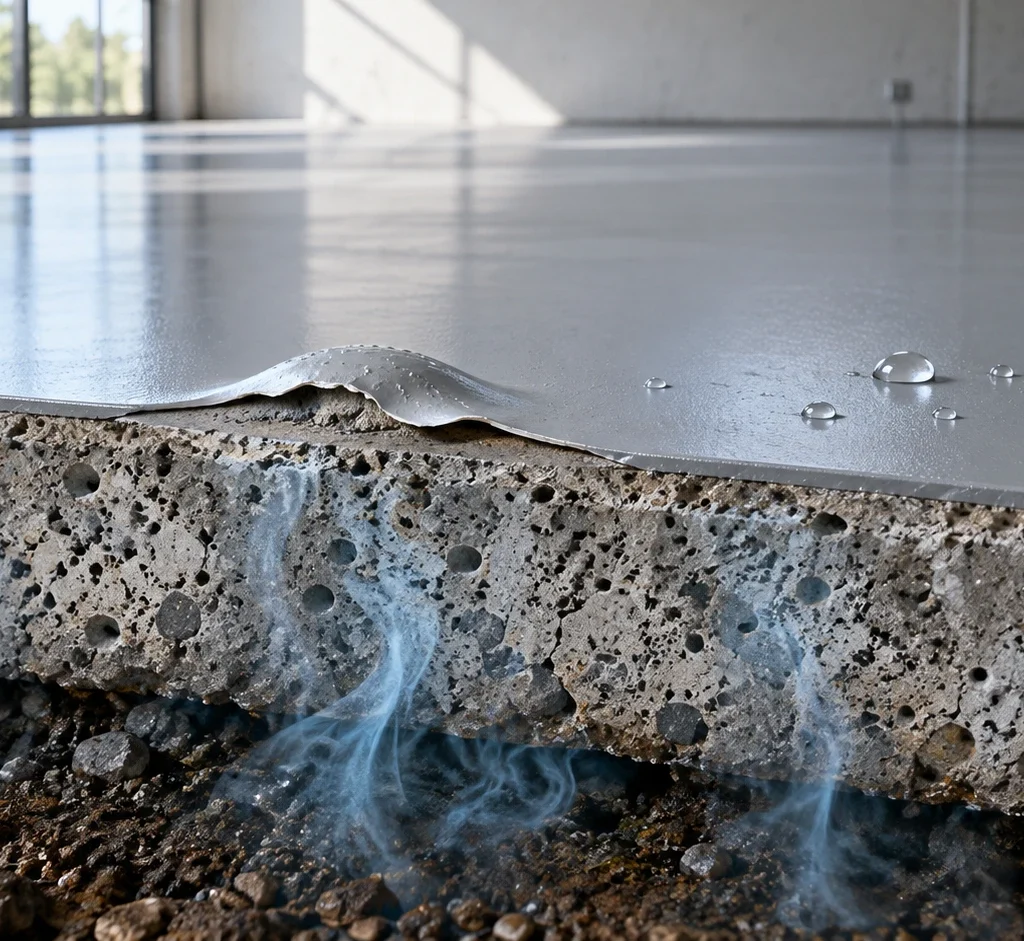
Yes, indeed, a high-quality waterproof floor paint for concrete can prevent moisture from rising by capillary action as well as vapor migration. In cases where the slab floor that you need to cover is not hydrostatic but merely damp, then appropriate treatment of it with a waterproof floor paint will produce excellent results. However, the absence of proper surface preparation or the wrong formula will certainly lead to blistering and bubbling of the paint. Let us consider the mechanism of action of waterproof floor paint for concrete and the kinds of resins that are used to produce it.
1. What Is Waterproof Floor Paint for Concrete?
In order to be able to know how these protective floor coatings will work in real environmental conditions, it becomes necessary to take a look at the chemical properties they possess. Waterproof floor paint for concrete is a specific chemical substance that is used as a liquid polymer on prepared concrete slabs and is used to protect the floor
Various types of coatings have different chemical compositions, and they have certain physical properties and particular applications:
Epoxy Floor Coatings: Recognized within the construction industry for their tremendous toughness, resilience, and protection from chemicals. These floor coatings form an extremely tough surface that makes them ideal for high-traffic repair shops and warehouses.
Polyurethane Coatings: They have high elasticity and excellent UV protection, allowing them to stretch as a result of thermal expansion and contraction. They are therefore best suited for semi-outdoor patios and loading docks.
Polyaspartic Coatings: Are known for being extremely fast-curing and weather-resistant. A good example of this coating is the Jincheng-Waterproof Polyaspartic Resin.It provides strong adhesion, flexibility, and resistance to water penetration, corrosion, and abrasion, making it suitable for protecting exposed concrete, steel, aluminum, and other substrates.
2. How Waterproof Floor Paint Stops Moisture Coming Through Concrete?
It is the cross-linking reaction that makes this kind of paint become moisture-resistant by changing the state of the resin from its liquid form to that of a non-porous film.
Looking at cured concrete through a microscopic lens, it can be seen as a sponge-like material with millions of microscopic pores. The groundwater moves up through the pores due to natural capillarity.When applying waterproof floor paint for concrete, the liquid resin will penetrate the upper pores and stop the rising of water vapor.
| Coating Type | Compressive Strength (MPa) | Elongation (%) | Hydrostatic Resistance | Suitable Moisture Level |
| Acrylic Paint (Standard) | 15 – 20 | 5% – 10% | Very Low | Dry slabs only |
| Heavy-Duty Epoxy | 60 – 80 | 2% – 5% | Low | Mild dampness |
| High-Performance Polyaspartic | 45 – 65 | 10% – 15% | Moderate | Mild to moderate dampness |
At the time when vapor emissions rates are less than 3 pounds per 1,000 square feet per 24 hours (or moisture content of concrete is less than 4%), those specific coatings will form continuous sealing layer that will keep the surface dry and clean.
3. How to Choose and Apply waterproof floor paint for concrete to Stop Concrete Moisture?
Sustained success when using waterproof floor paint for concrete depends not only on choosing the right coating but also on applying it with care.
Selection Criteria for Product
Selecting a professional-grade product is about much more than simply choosing an attractive shade or a high-gloss finish. To ensure long-term performance against moisture and traffic, you must evaluate several critical technical criteria:
Solids Content and Dry Film Thickness: The coating that has higher solids content will have less shrinkage during the process of drying and will create a dense protective layer.Do not fail to consider the manufacturer’s instructions on how thick the paint should be when applied.
Resistance to Efflorescence and Alkalies: The concrete may emit alkaline salts while moisture goes through the concrete slab, which causes discoloration, blistering, and peeling. Select waterproof floor paint for concrete that has good resistance to alkalies and good adhesion to cement substrate.
Resistance to Moisture and Water Vapor Transfer: Some products prevent moisture transfer through the film, should there be any moisture in the concrete.It would be prudent to know the moisture requirement of the coating before choosing it. In case your slab has moisture problems, ensure that you get a suitable moisture management product for your slab, not a waterproofing coating.
Compatibility with the Substrate: Your coating must be suitable for the environment, whether it’s a basement, garage, warehouse, or industrial floor.
Step-by-Step Application Guide
1. Preparation and Repair of Concrete Substrate
Clean the surface, removing any dust, grease, existing coating, and other loose material. If necessary, grind or blast the surface using diamond grinding or shot-blasting. Repair any cracks and surface imperfections using a compatible repair product. Concrete should be cleaned and dried to the extent required for the coating system to be used.
2. Test Concrete Moisture Content
Moisture content of the concrete should be tested using the in-situ relative humidity test or another suitable calcium chloride test. While the plastic sheet test could indicate that there is a moisture issue with the concrete, it will not determine the exact amount of moisture.
3. Application of Appropriate Primer
The primer appropriate for the specific type of concrete substrate and waterproof floor coating should be used. Follow the specified coverage rate and let it dry/cure before application of subsequent layers.
4. Application of Waterproof Coating
Apply the coating evenly using a roller, brush, or other spraying equipment. Make sure to pay attention to corners, cracks, and edges.
5. Permit Total Curing
Ensure that the surface which has been coated is protected from exposure to water, dust and any form of traffic during the process of curing.
Conclusion
In simple terms, the waterproof floor paint for concrete that can be applied to concrete is a highly reliable means of safeguarding oneself from vapor transmission and the wetness of the concrete slab. Once the physics behind this phenomenon is understood, along with the proper choice of resin and the correct procedure for surface preparation and priming, your concrete will remain safe.
Should you have any further questions about the choice of waterproof floor paint for concrete or installation procedures, do not hesitate to contact us at Jincheng!