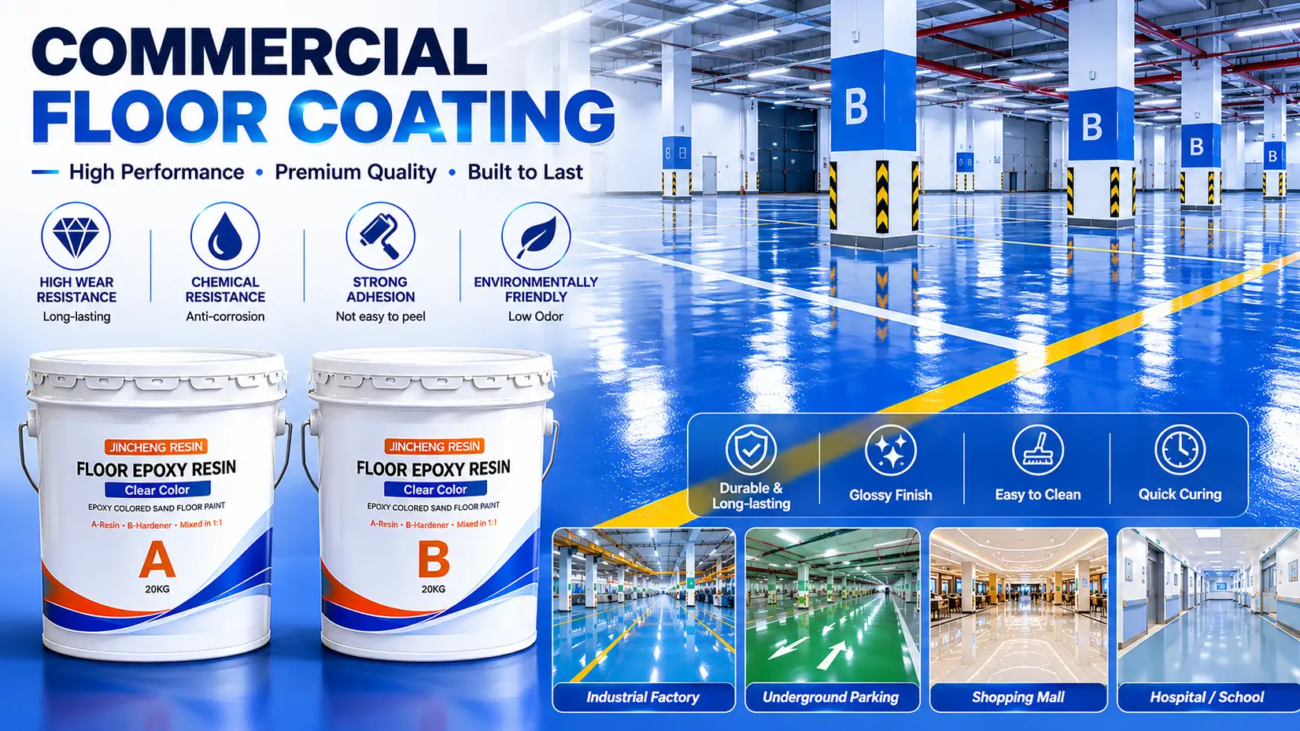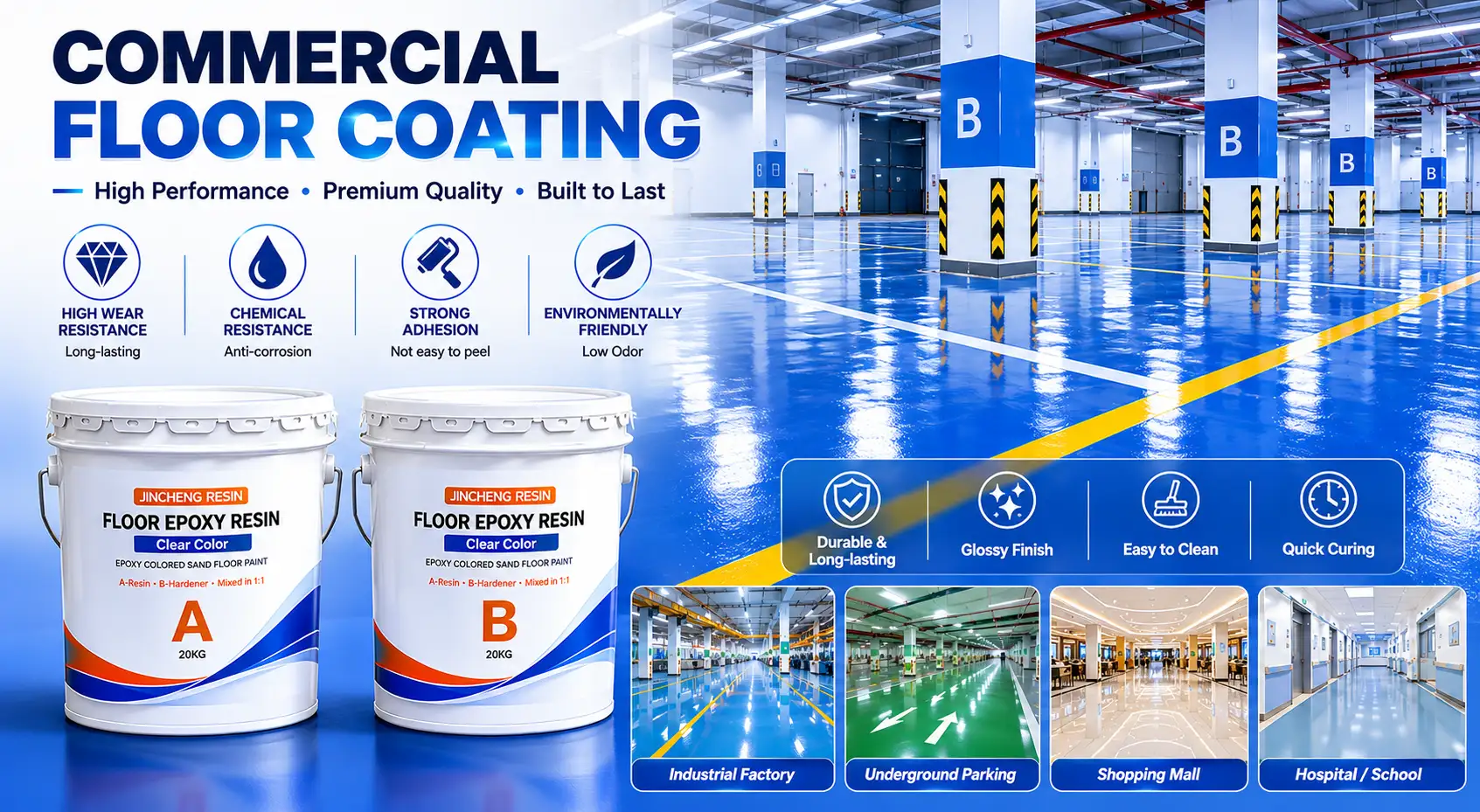

Epoxy Resin Floor Coating

How to Install Epoxy Resin Floor Coating: A Complete Guide

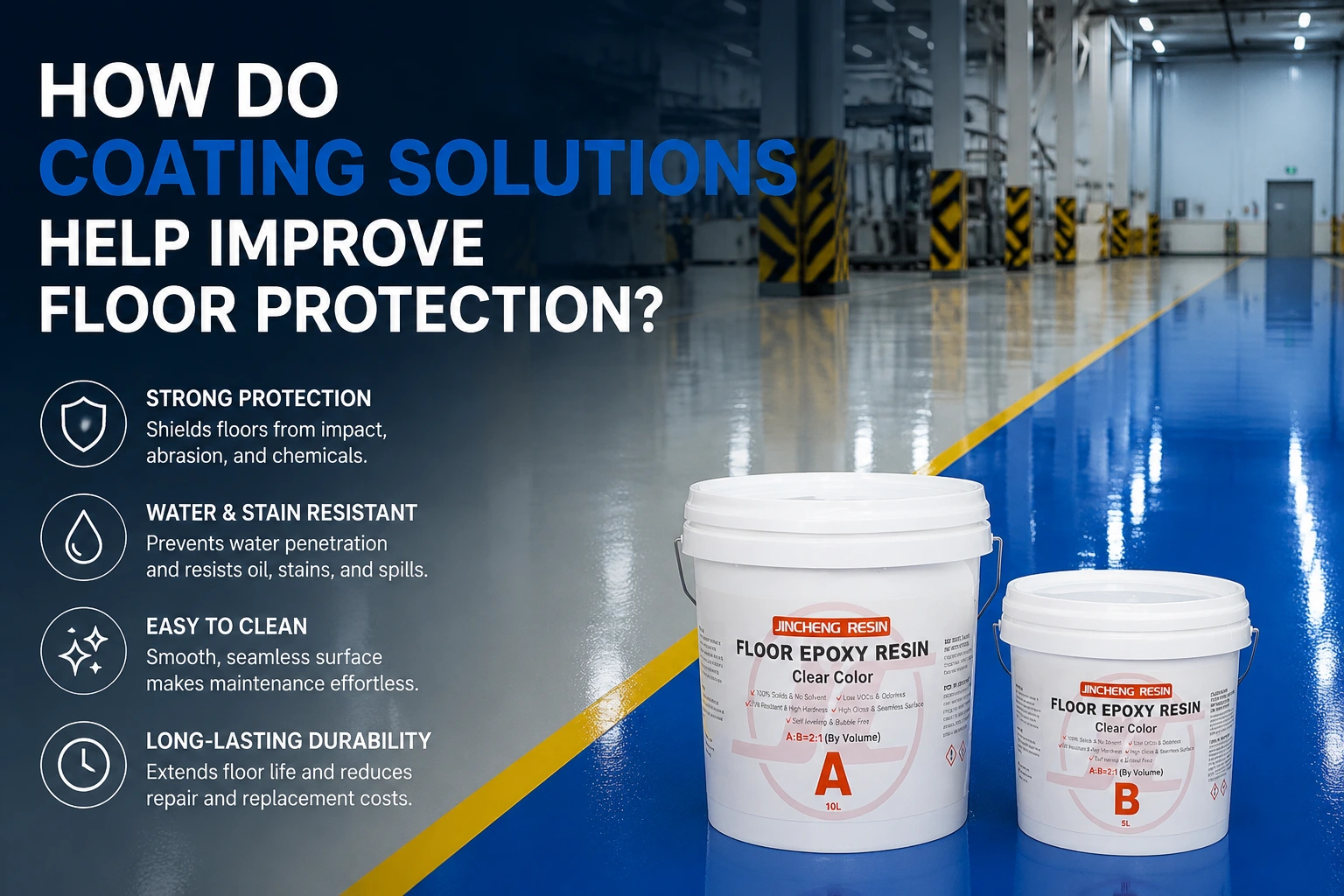
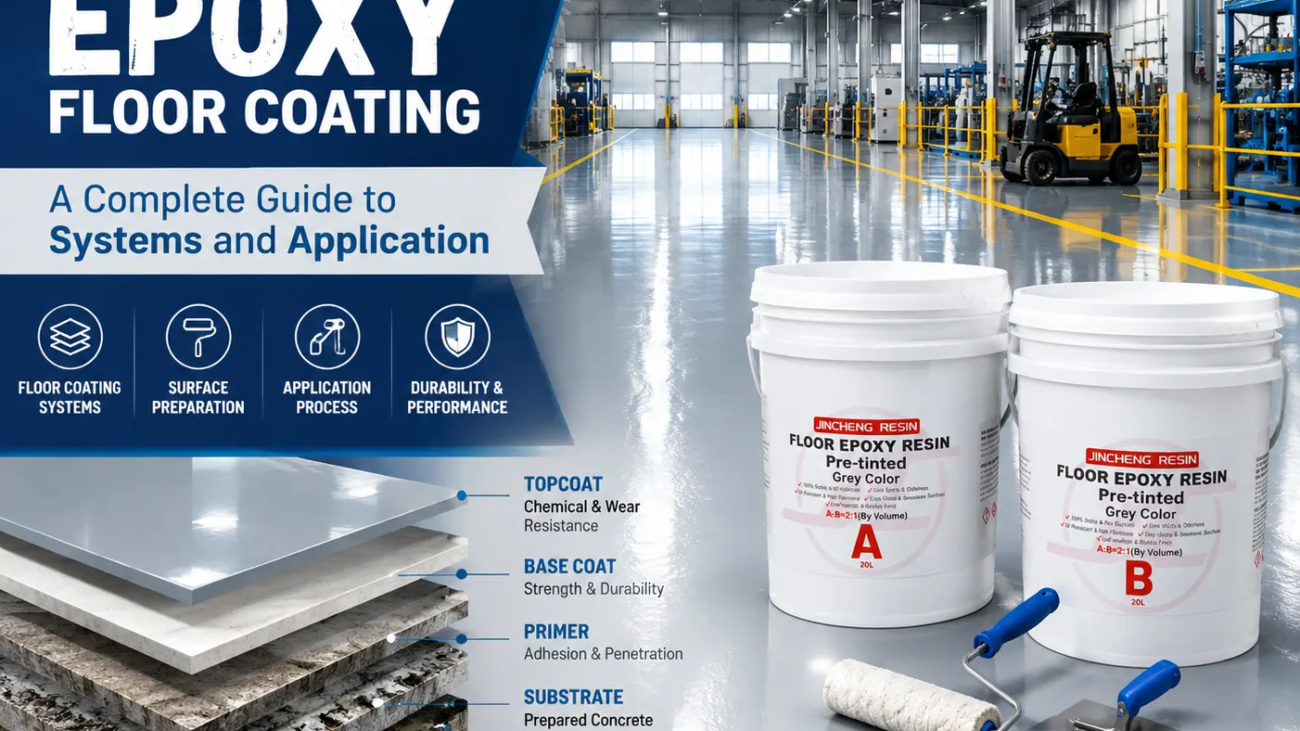
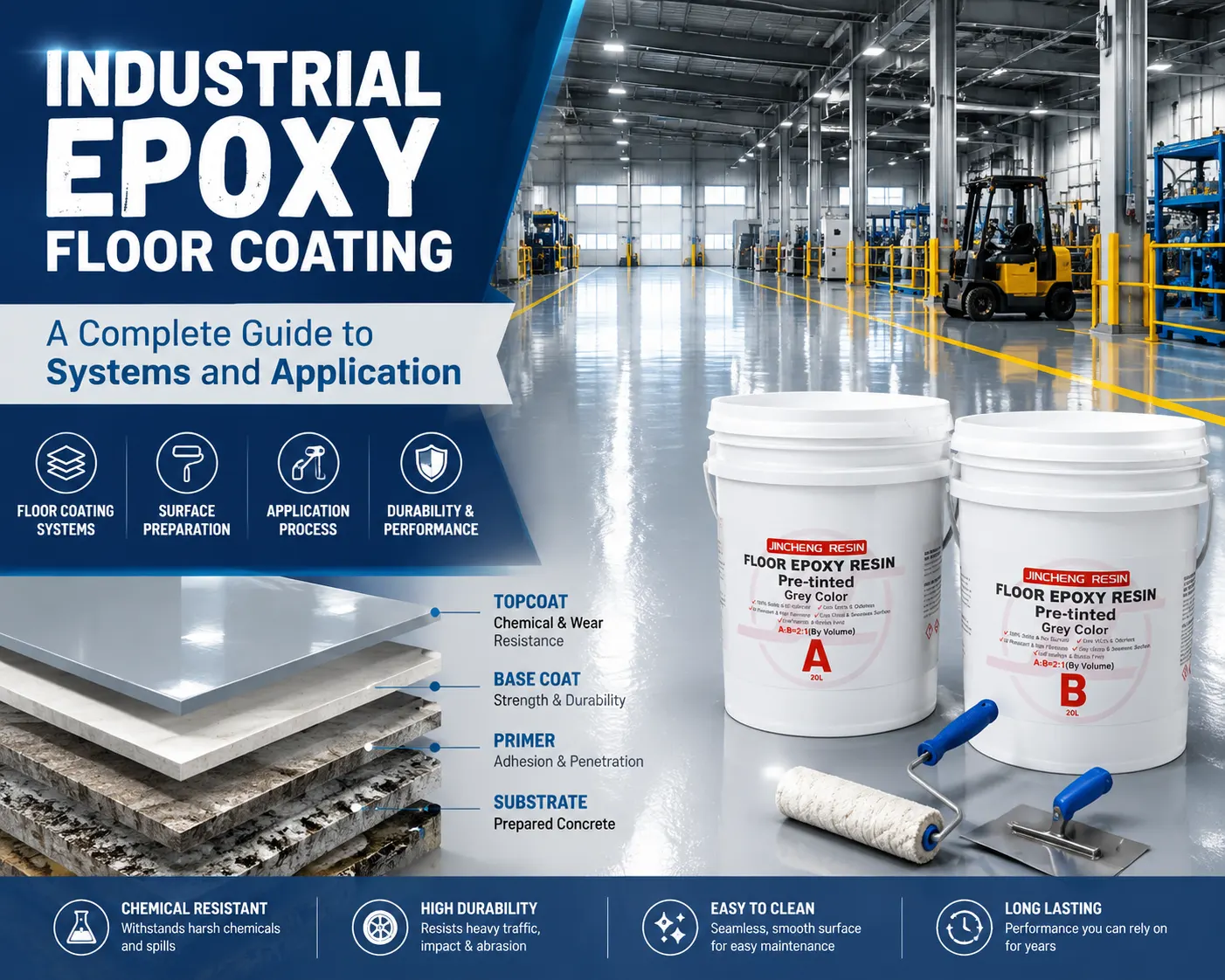
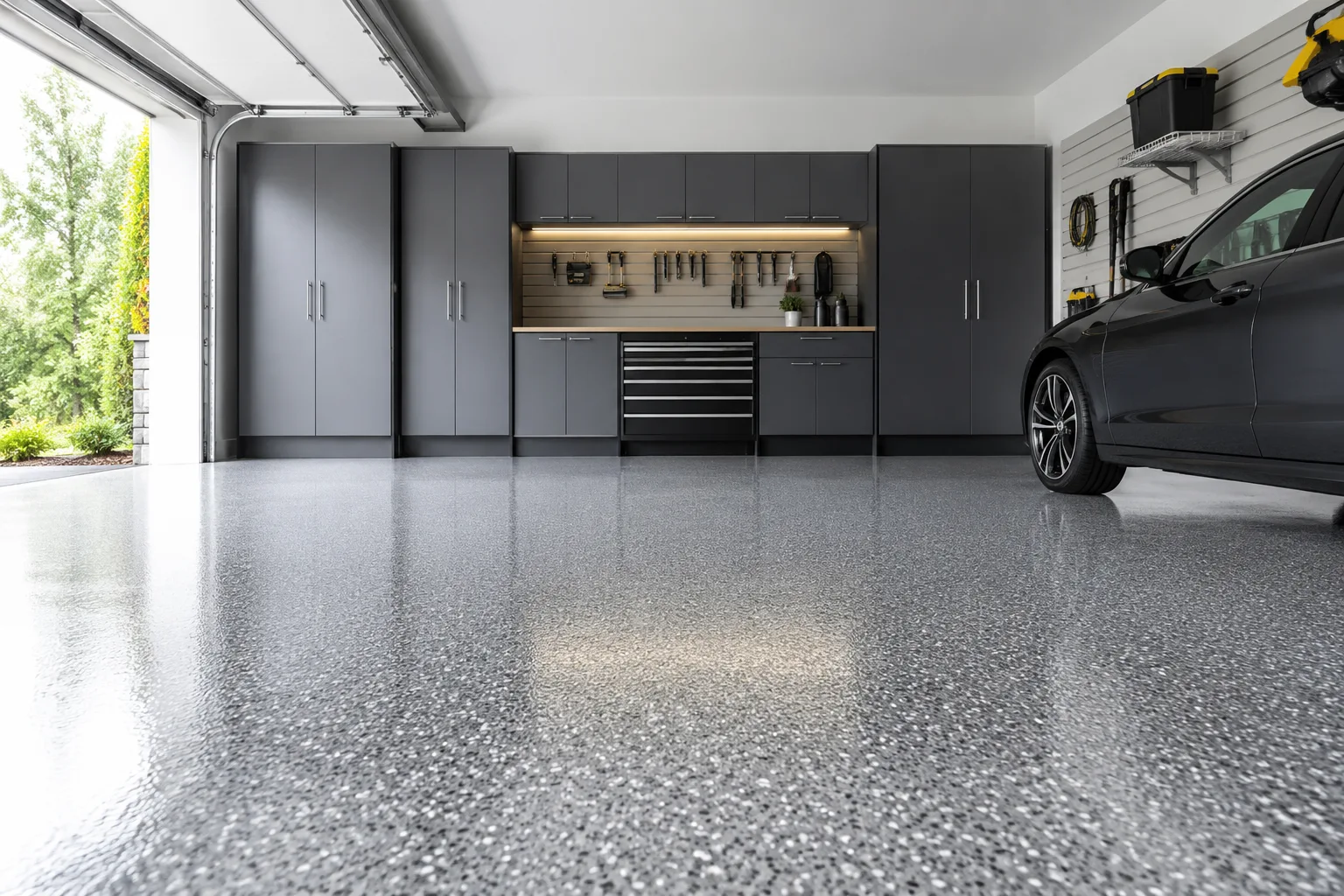
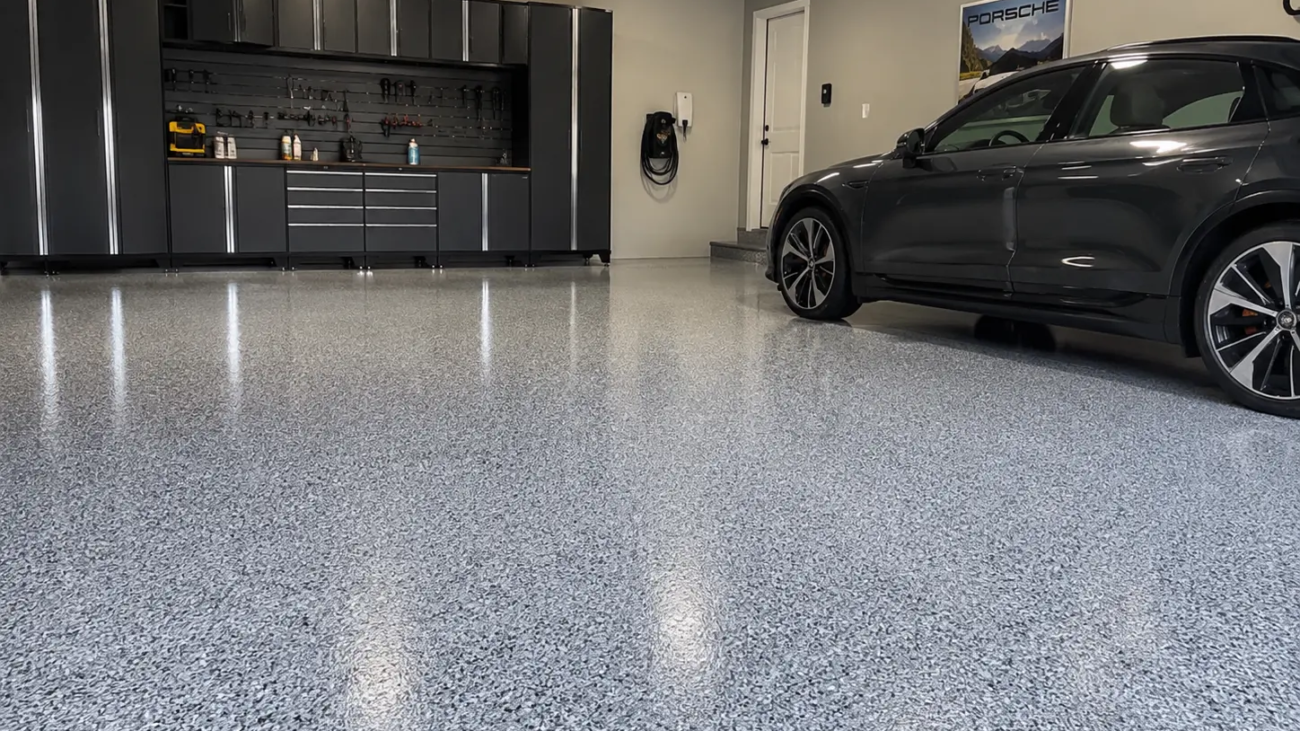
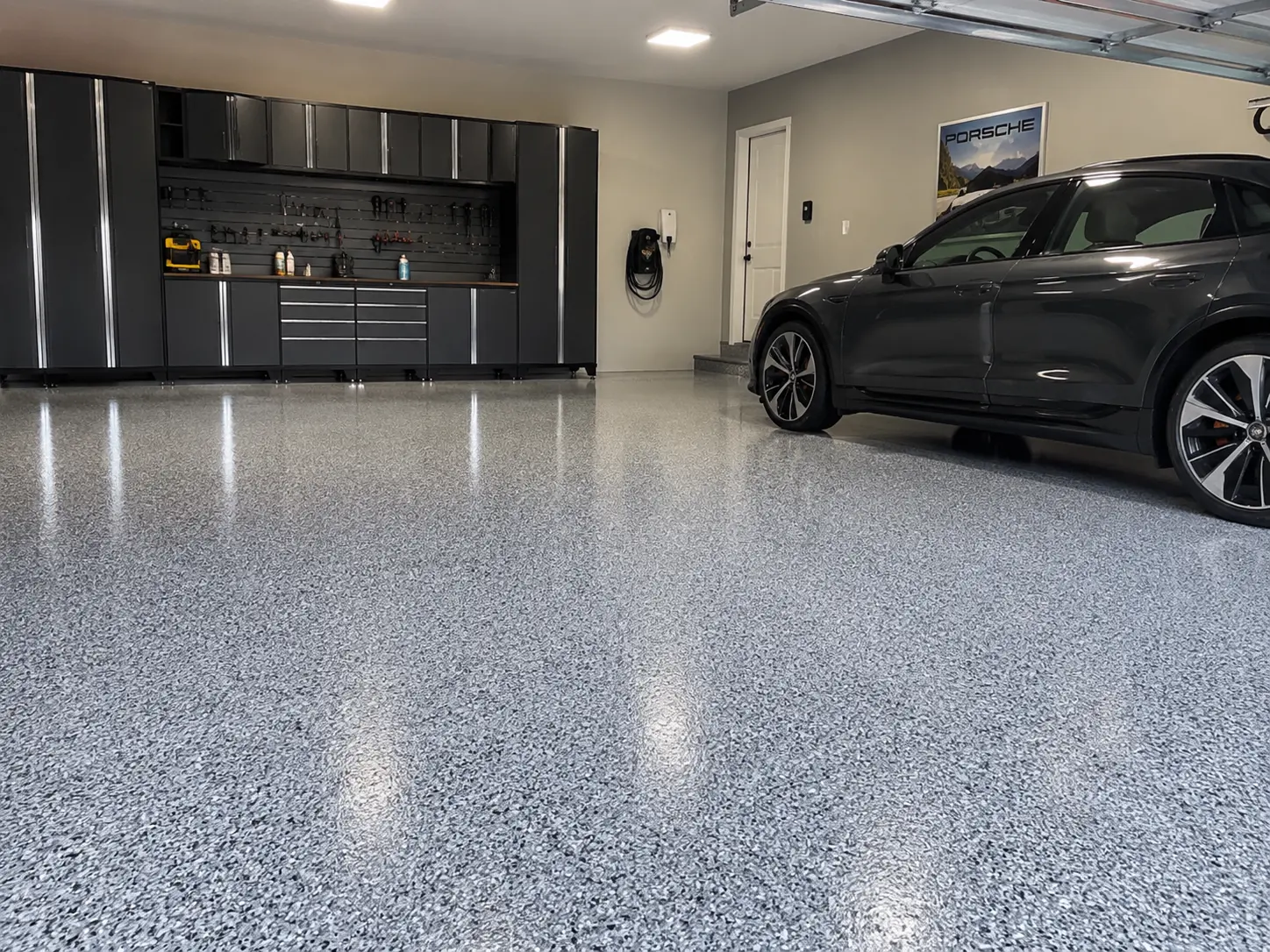
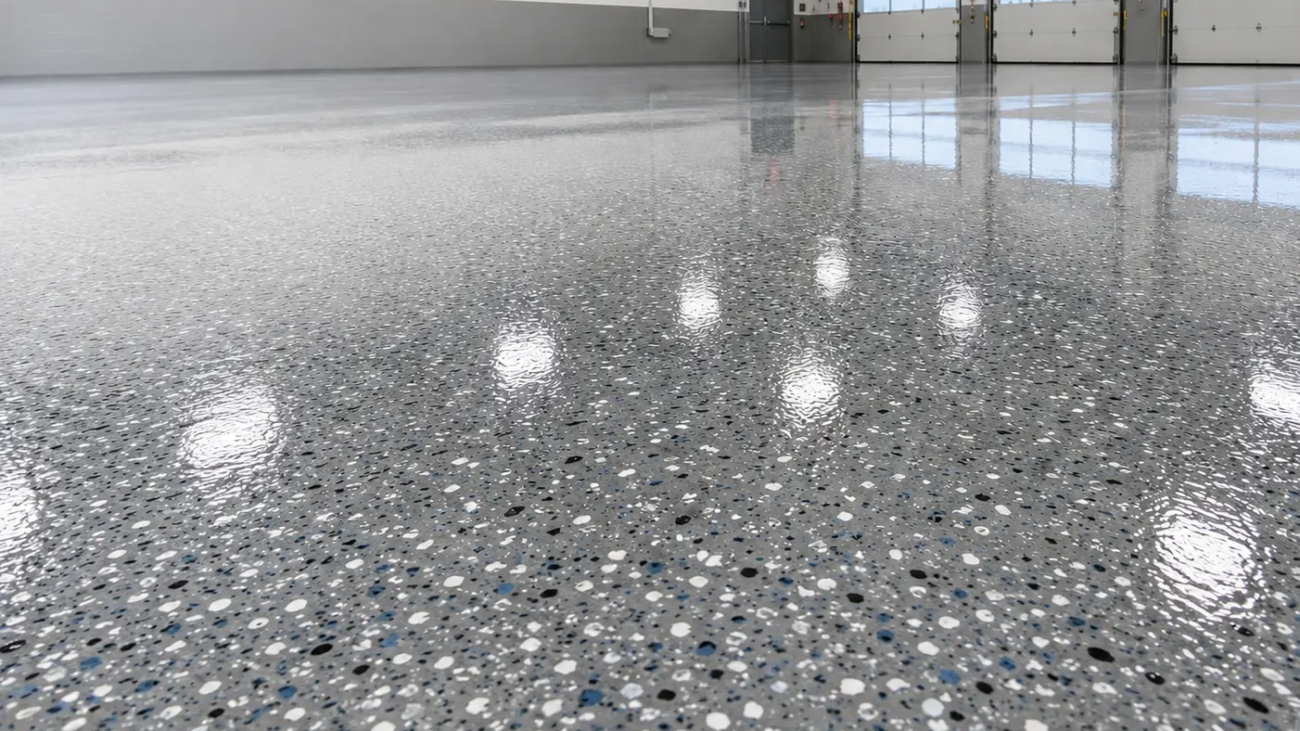
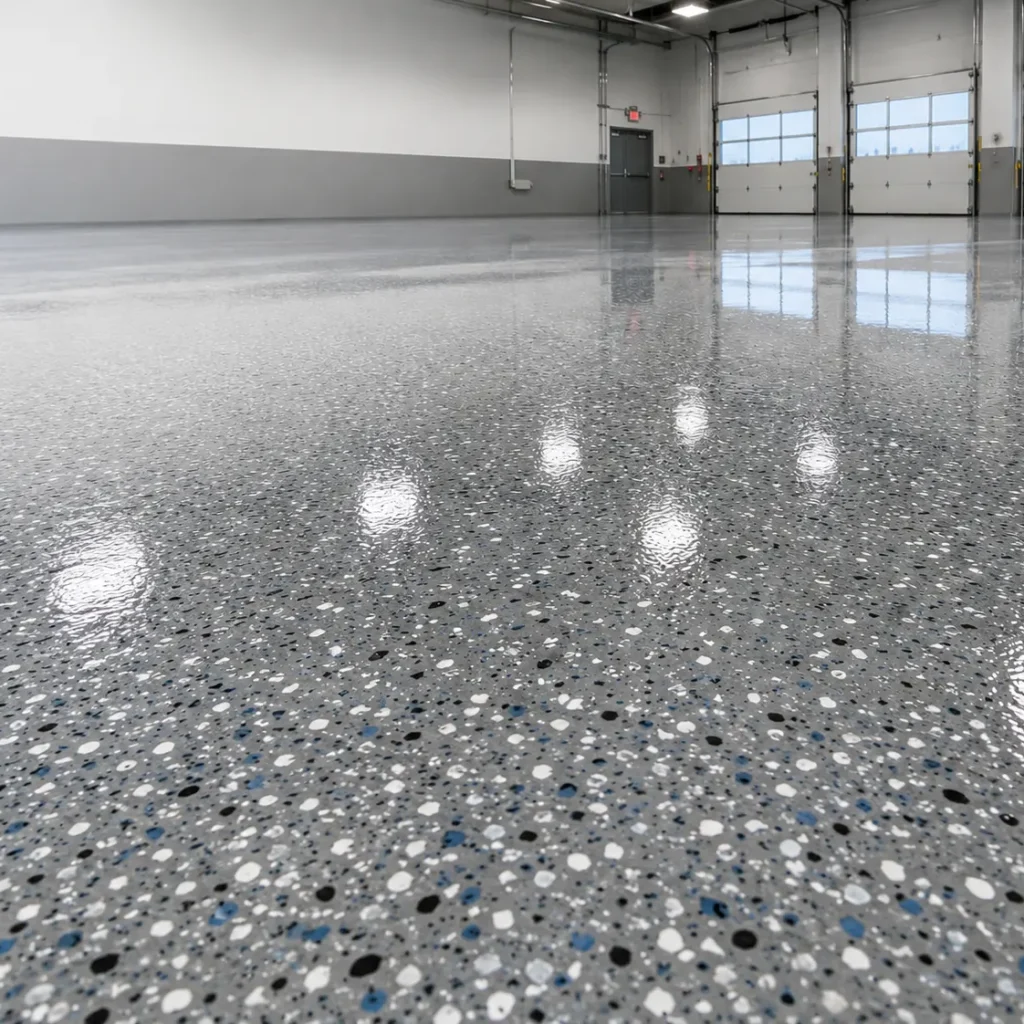
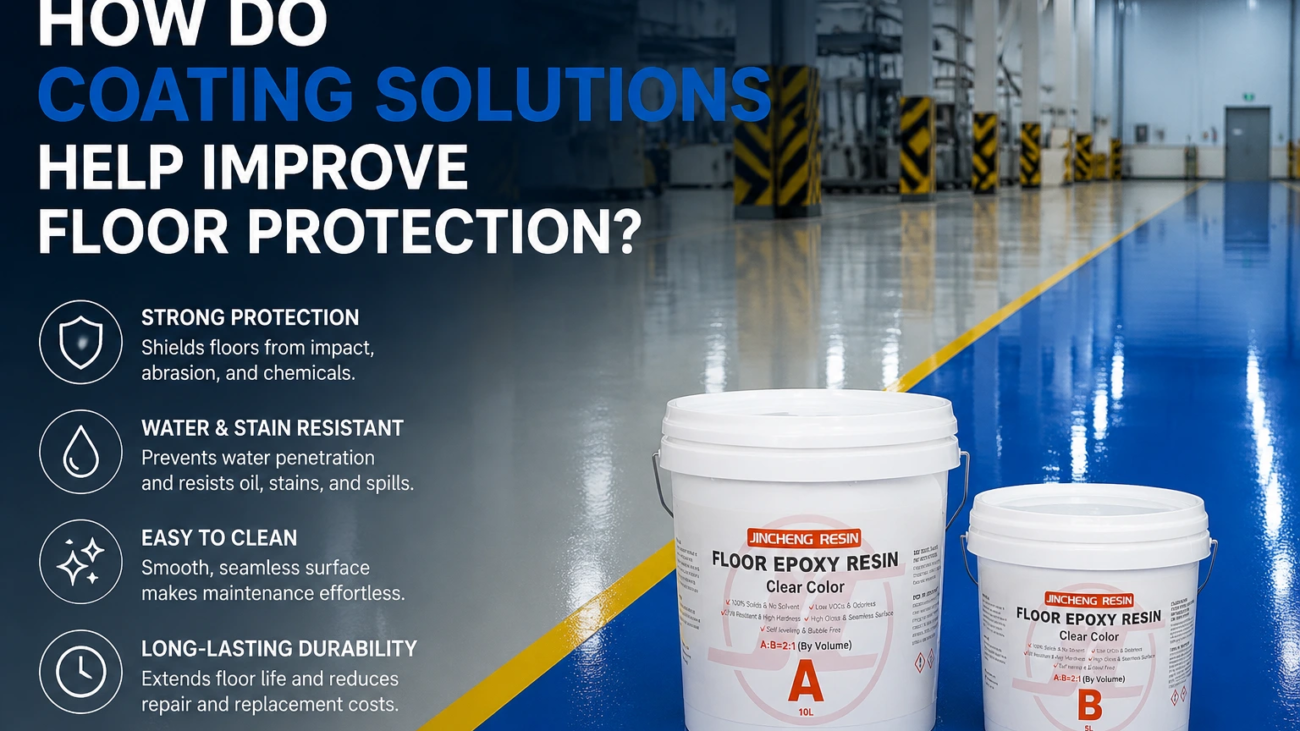
Epoxy resin floor coatings are high-performance floor finishes widely used in commercial, industrial, warehouse, and garage spaces. They offer excellent wear resistance, chemical resistance, stain resistance, and an attractive appearance, making them ideal for high-traffic and heavy-duty environments. While the installation of an epoxy resin floor coating might sound complex, it can be easily accomplished with the right steps. This guide will walk you through each step of the process to help you achieve a durable and beautiful epoxy floor.

Epoxy Resin Floor Coating

1. Preparation

Proper preparation is essential before applying an epoxy resin floor coating. Ensuring the surface is clean, smooth, and free from any contaminants will guarantee a successful installation and long-lasting results.

Clean the Surface

Remove dust, dirt, oil, and debris. Use a broom or vacuum for dirt and a degreaser for oil stains. Clean thoroughly to ensure proper adhesion.

Repair Cracks and Damage

Fill any cracks or holes with a suitable repair compound. Once dry, smooth and level the surface to blend with the surrounding area.

Grind the Floor

Roughen the surface using a grinder or sanding tool (80-120 grit) to improve adhesion. This step removes old coatings and contaminants.

2. Choose the Right Epoxy Resin Floor Coating

A number of epoxy resin flooring coatings are available on the market today. It becomes extremely important to choose the correct one that suits your requirements as per your environment and usage conditions.

  • Single-Component Epoxy Resin: They are easy to use because no need exists to combine them with any hardening agent. Their use is most appropriate for DIY purposes as well as home settings since they are easier to apply. Although they are easier to apply, they have lower durability and resistance to chemicals than two-component epoxy resin products.
  • Two-Component Epoxy Resin: The main constituents of this product are resin and hardening agent that are to be mixed in a precise ratio. Two-pot epoxies tend to be more durable, have greater chemical resistance properties, and are more resistant to wear. Two-pot epoxies are best for high-traffic areas. Mixing leads to relatively quick curing of the material.

3. Mixing the Epoxy Resin Coating

Epoxy resin floor coatings usually contain resin and a hardening agent, which must be mixed prior to applying them. Following the right ratios as indicated by the manufacturer is vital for the perfect curing process of the epoxy resins.

  • Choose the Right Mixing Container: Select a clean and dry mixing container, one that will comfortably accommodate the required amount of resin and hardening agent. Both mixing a lot or a little of the material can have a significant impact on your final coating.
  • Mixing Process: The mixing process involves the use of either the hand stirring method or an electric mixer to blend the resin and hardener together. It is important to ensure that there are no air bubbles present during the blending process since air bubbles might affect the finishing process of the epoxy coating.
  • Working Time: The mixed epoxy resin will have a certain working time before the resin starts to harden (“pot life”). Apply the mixture during this working period to create a quality finish. If the resin gets hardened in the pot, then dispose of it since it cannot be used anymore.

4. Applying the Epoxy Resin Coating

The epoxy resin coating application process needs to take some care to get an even and well-distributed coat that is durable.

First Coat Application

The mixed epoxy resin should be applied using a roller, brushes, or spray guns. The application should begin far away from any doors or exits and proceed towards the exit point to ensure that the person applying the resin does not step on the new application. The epoxy resin should be applied without leaving patches and thin points. First coat usually dries up after 6 hours; however, check the time of application according to the manufacturer’s instructions.

Second Coat Application

After the completion of drying of the first coat, the second coat should be applied on the floor with epoxy resin. The second coating improves the strength and glossiness of the floor. As done earlier in the first coating process, apply the resin using a roller or brush for an even coating and then let the floor dry again.

5. Drying and Curing

Once the second coat is applied, there comes the process of drying and curing.

Usually, it takes about 24 hours to cure the epoxy floor to the point where it becomes touchable, although it is better if one waits up to 72 hours for complete curing. During this period, walking on the newly installed floor should be avoided, as well as placing heavy objects on the floor.

Conclusion

Laying an epoxy resin floor coating is not such a difficult process if you know how to do it correctly. Having prepared everything properly and done everything according to instructions, you will achieve excellent results, having obtained a highly resistant surface with a beautiful appearance, which will serve for many years. If you want to make your garage or warehouse, or some other premises look better, then laying an epoxy floor coating is exactly what you need. In addition, JINCHENG offers top-notch epoxy resin floor coatings with any desired color combinations. If you have any questions, please contact us; we will advise you on what to do.

Concrete Surface Coatings

How Concrete Surface Coatings Can Save You Money on Repairs

Concrete surface coatings are an economical and efficient investment that can help property owners save on expensive repair costs. Whether it’s for residential, commercial, or industrial spaces, concrete is prone to various external factors such as moisture, chemicals, temperature fluctuations, and everyday wear and tear. By applying the right concrete surface coating, you can enhance the durability of the concrete and reduce the need for frequent repairs. Let’s explore how concrete surface coatings can help you save money on repairs.

Concrete Surface Coatings

1. Prevent Cracks and Structural Damage

Cracking in concrete is common due to variations in temperature, moisture levels, or any impact on the concrete surface. The effects of cracking do not just end in terms of aesthetic issues since it allows moisture to penetrate into the structure, causing it to deteriorate faster. Moisture penetration causes more harmful chemical reactions inside the structure and can result in greater damage to the entire structure. This leads to structural damage and thus results in higher costs of maintenance.

How to Prevent It:

  • Sealing Cracks: Application of a surface coating in the concrete ensures that even small cracks are sealed off from moisture penetration in the concrete. This protects it from the elements and thus prevents deterioration.
  • Creating a Protective Barrier: Along with sealing, the application of coatings provides an effective protective layer against all harmful environmental factors and extends the life of the concrete.
  • Preventing Crack Expansion: Once the surface coating is applied, it helps halt the expansion of cracks by preventing moisture and temperature fluctuations from worsening the damage. This minimizes the need for costly repairs later.

2. UV and Environmental Protection

The concrete material exposed to the open air is subjected to UV rays, acid rain, and salts, leading to discoloration and aging of the material, which results in cracks on the surface of the concrete. UV rays deteriorate the chemical composition of the concrete material, causing brittleness and consequently causing cracks and chips. Acid rains and salts further deteriorate the strength of the concrete.

How to Prevent It:

  • UV Protection: High-quality concrete surface coatings often contain UV-resistant additives, which reduce the damage caused by prolonged sun exposure. These coatings protect the concrete from UV rays, preventing the surface from cracking, discoloring, or becoming brittle.
  • Reducing Environmental Erosion: The coating also protects against chemical pollutants, acid rain, and salts. Creating a barrier between the concrete and harmful environmental factors, it helps preserve the strength and stability of the concrete, slowing the aging process.

3. Effective Protection Against Water Damage

Water is among the factors that have a significant impact on concrete surfaces. Constant water presence in the environment results in peeling, rusting, molding, and algae on the concrete surface. Moisture causes several processes inside the concrete and can cause cracks and spalls in it. Concrete in basements or garages is most affected because of water exposure, hence the necessity to prevent such damage since it will result in the destruction of the building structure and increase the repair cost.

How to Prevent It:

  • Strong Waterproofing: By using high-performance concrete surface coatings, you can create a durable waterproof membrane that prevents moisture from seeping into the concrete. This helps avoid long-term water damage and ensures the structural stability of the concrete.
  • Moisture Isolation: The coating forms a protective layer on the surface, preventing water penetration and the potential for mold or mildew. This keeps the concrete surface dry and avoids damage caused by a damp environment.

4. Enhanced Wear Resistance

Through the use of concrete, the surfaces that are made will eventually start to wear off due to constant friction from the vehicles or even foot traffic. This is especially true in places where there is constant movement. While some wear might not make the surface unstable immediately, it could lead to irregularity on the surface.

How to Prevent It:

  • Improving Wear Resistance: Concrete surface coatings will help increase the surface resistance to scratches and any form of wear. With their unique formula, they will help improve the strength of the surface.
  • Maintaining a Smooth and Strong Surface: After using these coatings, the concrete surface will remain smooth and strong despite any form of wear.

5. Improving Aesthetics and Preventing External Damage

Apart from their practical advantages, concrete surface coatings also enhance the aesthetics of concrete surfaces. This ensures that such surfaces remain clear and smooth without any marks or stains. Moreover, with the application of concrete surface coatings, concrete surfaces are protected against any contamination that may occur due to external factors. As a result, the effort required in the cleaning and maintenance of the surface is reduced.

How to Prevent It:

  • Enhancing Appearance: Concrete surface coatings play a significant role in hiding the flaws in the concrete surfaces. Such an improvement is essential, particularly in the case of commercial purposes and other real estate projects, because of its significance in enhancing the value of the real estate.
  • Reducing Cleaning and Maintenance: With the application of coatings on the surface of concrete, there is reduced maintenance of the surface because of the lack of penetration of dust particles and oil into the concrete surface.

6. Extending the Lifespan of Concrete

Application of surface coatings to concrete surfaces can go a long way in increasing the life of such surfaces. Since the coatings act as a protective cover for the concrete surface from various environmental conditions, less time would be needed to carry out maintenance procedures such as replacement and fixing. Application of the coatings makes concrete surfaces durable while avoiding major damage that could cause costly repairs.

How to Prevent It:

  • Enhancing Durability: The coating makes the surface durable because the layer acts as a shield for concrete against various factors, whether natural or otherwise. The layer makes concrete last longer.
  • Reducing Repair Needs: Regular application of the coating helps keep concrete surfaces in good shape, hence saving on maintenance costs.

Conclusion

Concrete surface coatings applications on concrete surfaces are a wise choice of investment as well as time-saving, which can allow the owner to avoid costly repair work. By ensuring crack resistance, protection from UV rays, limiting damages caused by water, enhancing wear resistance, and longevity of concrete, surface coatings efficiently ensure that your concrete surfaces are protected. To make sure that you cut down the cost of repairs in the future, choosing JINCHENG’s reliable floor coating is a great choice. Not only do we supply quality products, but we also tailor-made products to make sure our clients get the best surface protection. Whether for commercial or residential purposes, we have the best protection for all. For more information or if you need assistance, please contact us, and we will be happy to provide you with professional support and solutions.

Types Of Coatings

Understanding the Main Types of Coatings: Properties and Uses

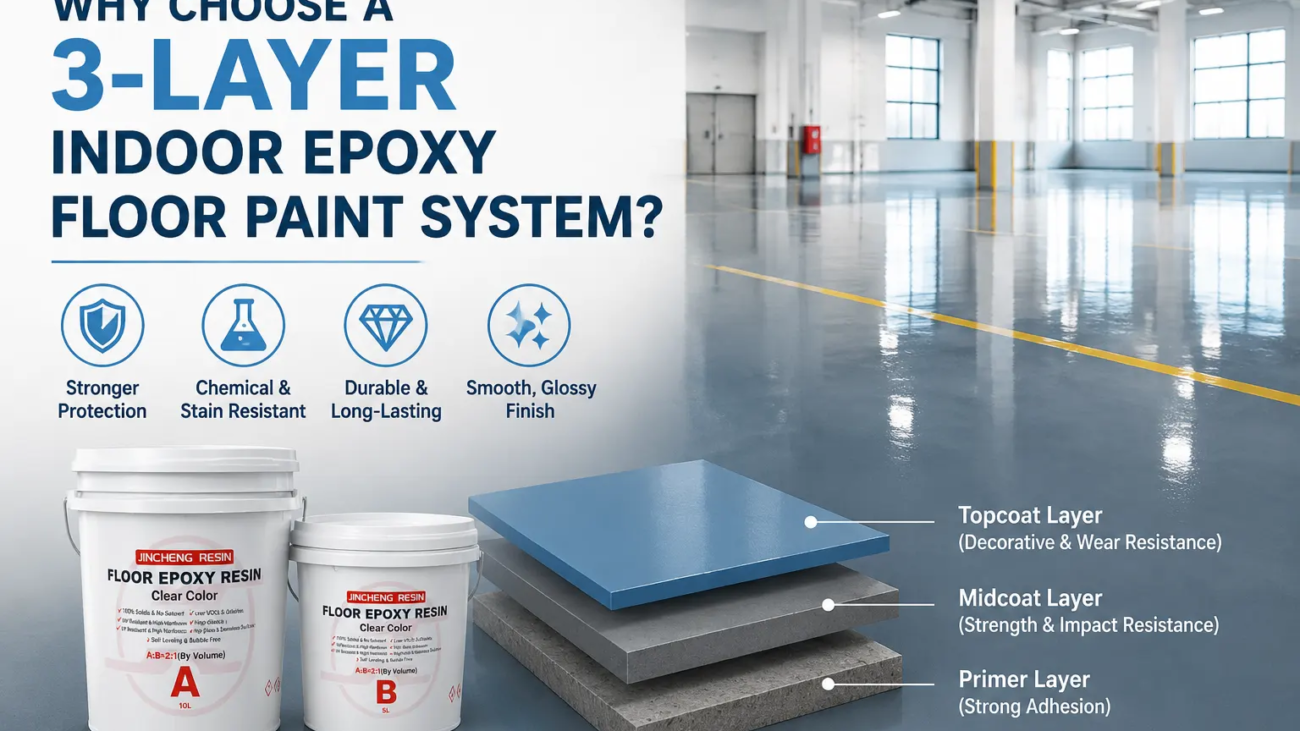
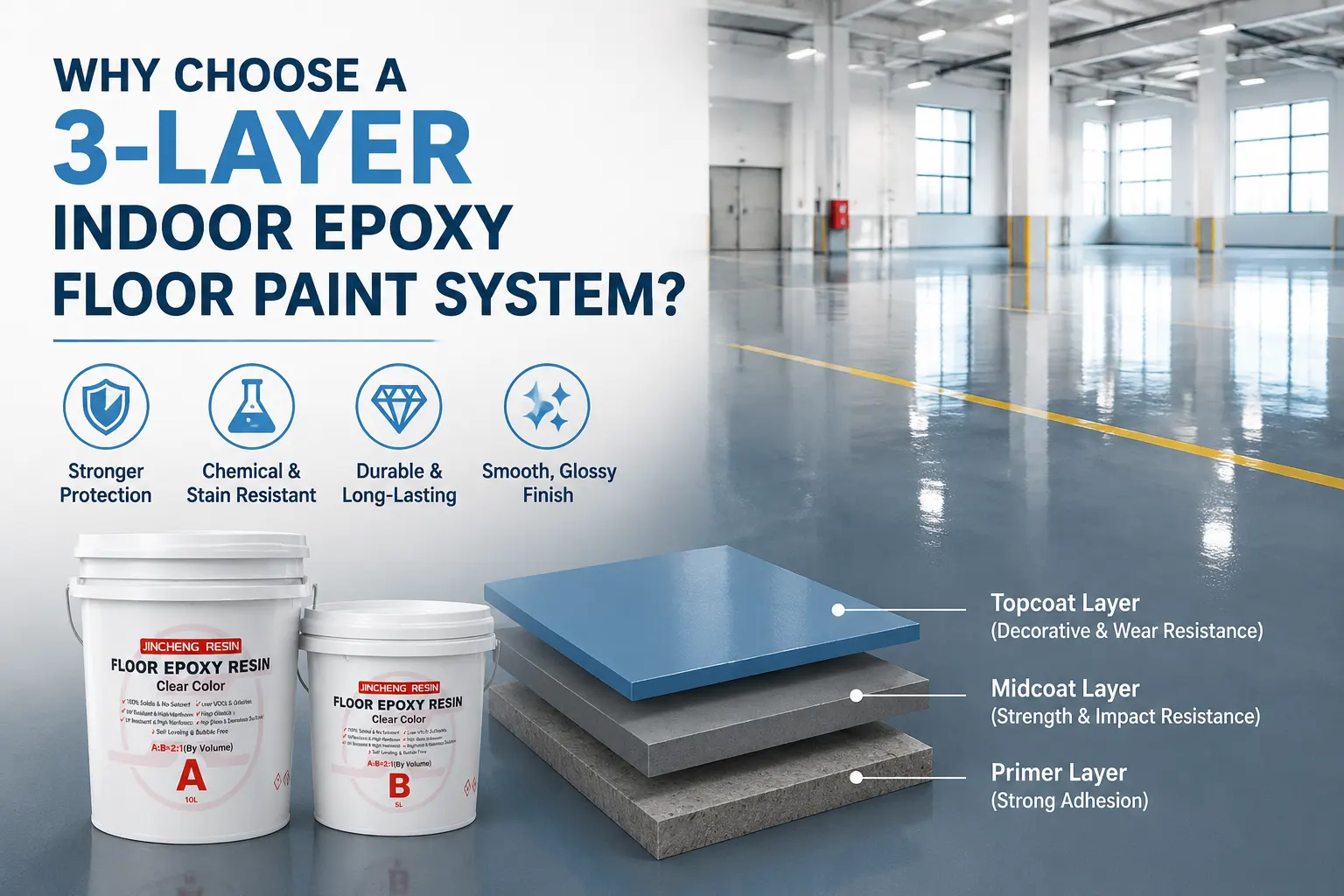
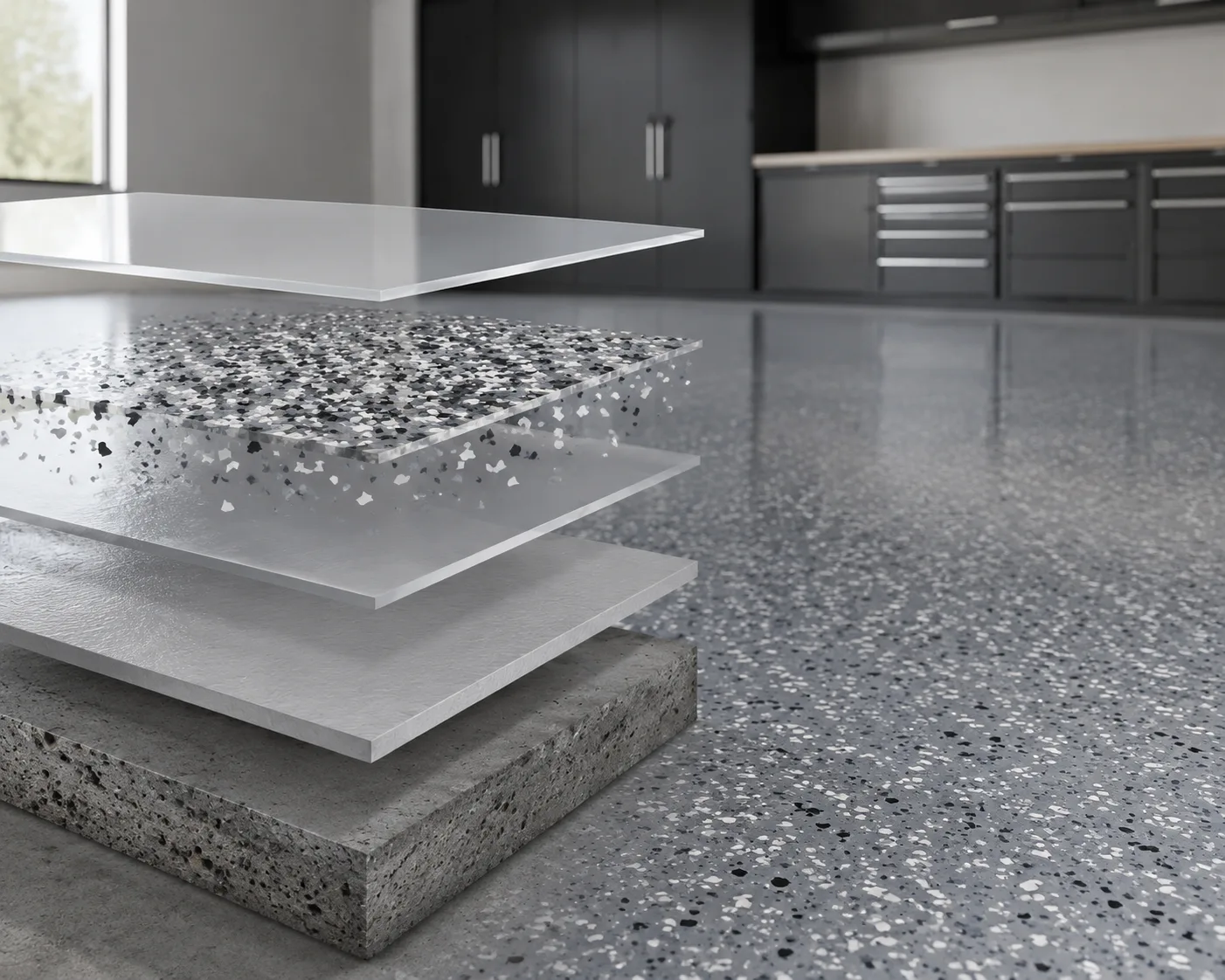
Types of coatings are important in current constructions and industry floor coating systems. The flooring coating systems are used in various commercial, industrial, and even residential places, and they consist of different layers of materials designed to protect the substrate and improve the floor. The common floor coating system consists of three main layers. These three layers include primer, intermediate coats, and topcoats. They have their own functions and consist of different materials such as epoxy, metal coatings, rock flake, polyurethane, polyurea, and even polyaspartic coatings of the premium grade. Knowing what each layer does will make the choice of an appropriate coating easier.

Types Of Coatings

Primer Layer: The Foundation of Coating Systems

The primer layer is considered to be the first and most important layer in most coating systems because of its direct interaction with the substrate.

  • Epoxy-based primers are the most common choice
    It is frequently chosen because of its outstanding binding properties, as well as moisture resistance, providing an appropriate surface to ensure there will be no blistering, cracking, or lifting of the following layers.
  • Surface reinforcement and sealing function
    The epoxy primer soaks up inside the pores and voids in the concrete surface, thus improving the strength of the concrete surface. It minimizes dust formation and makes the flooring system more stable.
  • Compatibility with multiple systems
    An epoxy primer may be applied under various types of coating systems, such as metallic paint, decorative coatings, and industrial coatings used in the flooring systems. So an epoxy primer can be used as a universal substrate for coating systems.

Intermediate Layer: Functional and Decorative Enhancement

The intermediate layer, also known as the build coat or mid-coat, adds thickness, strength, and decorative value to the flooring system. In various types of coatings, this layer is often customized based on performance requirements.

  • Metallic coatings for visual and chemical performance
    There are metallic coating systems that have both aesthetic and functional qualities. These systems provide a 3D appearance and increase surface hardness and protection against chemicals. This makes the floor more applicable for industrial floors, commercial structures, and showrooms.
  • Rock flakes for durability and texture
    Flakes made from epoxy or rock are common in the use in garages, hospitals, and factories. This type of coating adds non-slipperiness and hides surface irregularities.
  • Hybrid and functional fillers
    Hybrid filler systems include quartz sand or other types of fillers. These give extra strength and toughness to the floor, especially when there will be heavy loads in the building.

Topcoat Layer: Protection and Performance Finish

The topcoat is the final and most exposed layer in types of coatings, responsible for aesthetics, chemical resistance, and long-term surface protection. It determines how the floor performs under real-world conditions.

  • Epoxy topcoat for cost-effective protection
    Epoxy topcoats provide strong hardness and good chemical resistance. They are often used in industrial environments where cost efficiency and durability are both required.
  • Polyurethane for flexibility and UV resistance
    Compared to epoxy coatings, polyurethane coatings possess superior elasticity and perform exceptionally well in environments subject to temperature fluctuations. They also provide excellent UV resistance, making them suitable for outdoor or sun-exposed areas.
  • Polyurea for high-performance environments
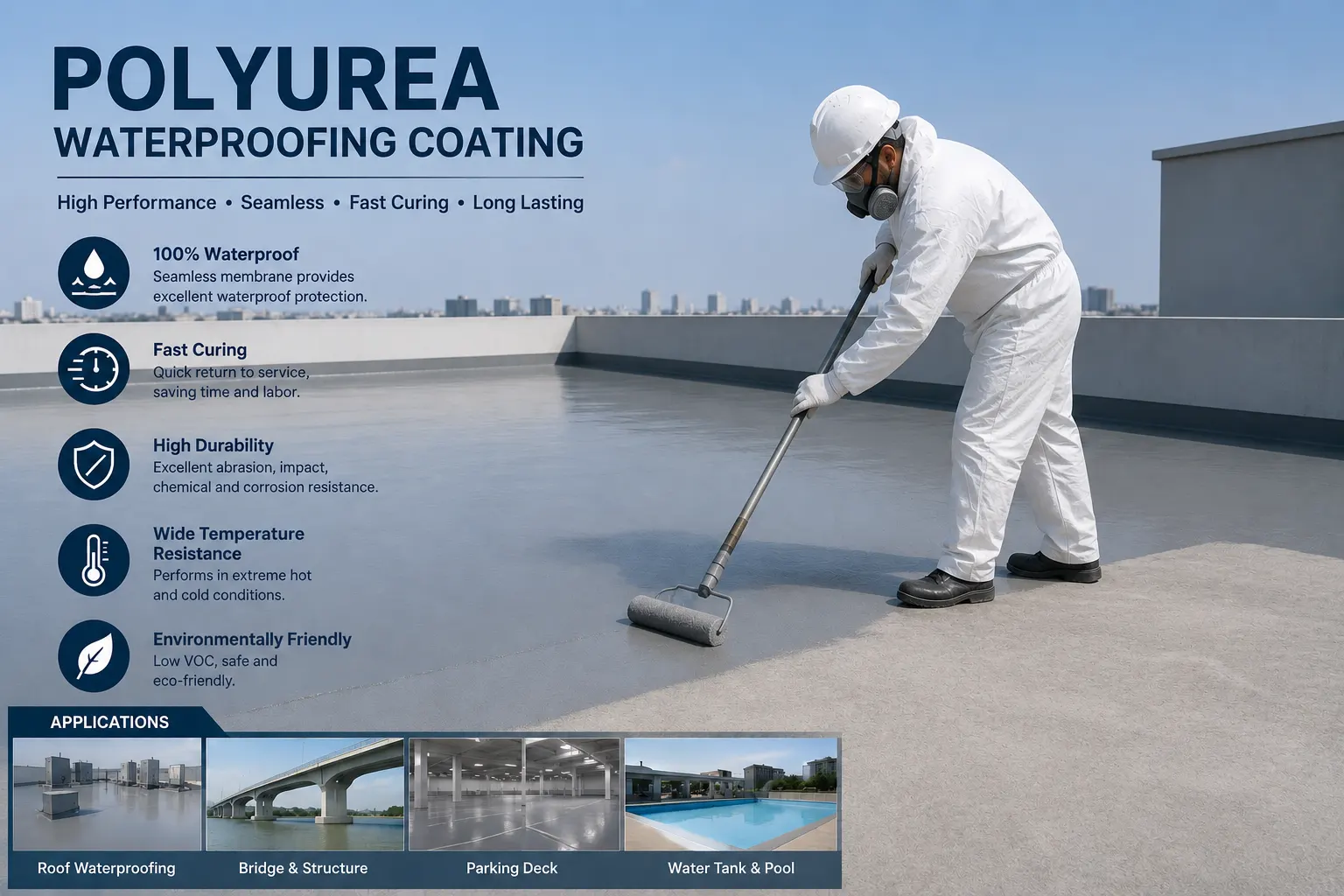
    Polyurea coatings are known for rapid curing, extreme durability, and waterproof performance. They are widely used in heavy industrial zones, parking structures, and waterproofing projects.
  • Polyaspartic as a premium topcoat option
    Polyaspartic coatings represent a high-end solution among types of coatings. They cure quickly, resist UV yellowing, and offer long-lasting gloss retention. Although more expensive, they are ideal for premium commercial and decorative flooring systems.

System Integration: How the Three Layers Work Together

A complete flooring system depends on the interaction between all three layers, making the selection of types of coatings a structured engineering decision rather than a single-material choice.

  • Adhesion chain from bottom to top
    The primer anchors the system to the substrate, the intermediate layer builds strength and design, and the topcoat provides final protection. Each layer depends on the previous one for stability.
  • Performance customization based on environment
    An industrial plant may opt for chemical resistance and weight bearing, while the commercial premises will choose aesthetics and anti-slip features in combination with the respective coatings.
  • Cost vs performance balance
    Different coating combinations allow flexible budgeting. For example, epoxy-based systems are cost-efficient, while polyaspartic or polyurea systems are higher-end but offer superior longevity.

Conclusion

To conclude, the success of a flooring system ultimately depends on its coating materials – from primers, intermediate coatings, and topcoats. The primers form a good base layer, while the intermediate coatings – metallic or flakes provide the structure, and finally, the topcoats—epoxy or polyurethane—provide the desired finishing. The choice of the right coatings allows for the creation of a functional and attractive flooring system for different applications.

JINCHENG offers efficient flooring systems tailored to the unique needs of your projects. Our company specializes in developing types of coatings that ensure the durability and functionality of industrial floors and the decorative attractiveness of other types of flooring systems. For more information, please contact us.

Waterproof Epoxy Paint1

Can Waterproof Epoxy Paint Be Applied Over the Old Coat?

Waterproof epoxy paint is really popular—mostly ‘cause it keeps water out well, lasts ages, and leaves a smooth finish. It works for homes and industrial places alike. If you wanna spruce up a surface that’s already painted, or fix an old one, you’re probably thinking: can I just slap new waterproof epoxy right over the old coat?
I’ll keep this super simple and give you easy tips to make sure it works out.

What is Waterproof Epoxy Paint?

It’s a tough coating that keeps water, chemicals, and everyday wear away. You’ll see it in wet areas—like basements, garages, patios, even on boats. It sticks really well to concrete, metal, wood, and masonry, so it’s pretty handy.

Waterproof Epoxy Paint1

Can You Apply Waterproof Epoxy Over an Old Coat?

Short answer: usually, yeah—but it all depends on how the old paint’s holding up.

Here’s what you gotta check first:

1. The old paint needs to be in good shape

For the new epoxy to stick, the old layer has to be clean, dry, and stuck tight to the surface. If it’s peeling, flaking, or loose, the new epoxy won’t stay on. But if it’s still solid and smooth, you can usually just paint right over it.

2. Don’t skip the prep work

Even if the old coat looks fine, you still gotta clean it really well—get rid of any dirt, oil, or grime that might stop the new epoxy from sticking. A little light sanding or etching can help the new layer grip better too.

3. Make sure the old and new paint get along

Some old paints—like oil-based ones or varnish—don’t mix with epoxy. If you’re not sure, test a tiny spot that no one sees first. If the new epoxy lifts or bubbles, you’ll need to scrape off the old paint.

4. Don’t rush the drying

When you’re putting a new layer over the old one, let each coat dry all the way—follow what the epoxy can says. If you skip this, the layers won’t stick together, and the new coat might peel later.

Why It’s Good to Paint Over the Old Coat

Saves time and money—no need to strip the old paint if it’s still good.

It’s faster—just clean it, sand a little, and add the new coat, instead of starting from scratch.

More protection—a fresh layer adds extra waterproofing and makes the surface last longer.

When You Gotta Remove the Old Coat

Don’t just paint over it if you see these issues:

Old paint is peeling, cracking, or bubbling—the new epoxy will just peel off too.

It’s really worn or damaged—if the old coat is thin, scratched, or the surface underneath is messed up, the new epoxy won’t stick right, and it’ll look bumpy or uneven.

Old paint doesn’t mix with epoxy—oil-based paint, shellac, or some varnishes won’t stick to epoxy. If the test spot doesn’t work, scrape off the old paint first.

If any of these are true, taking off the old paint completely is the only way to get a finish that actually lasts.

Wrap-Up

You totally can put waterproof epoxy over an old coat—just make sure the old paint is solid, clean, and mixes with the new epoxy. It’s a cheap, easy way to refresh floors, walls, or any other surface.

But if the old paint is damaged or won’t stick, take it off first. A little prep goes a long way—your new epoxy coat will stay waterproof and tough for years.

If you’re not sure which epoxy to use or how to do your project, JINCHENG has good waterproof epoxy options. Just reach out—we’ll help you pick the right one and get it right.

Moisture Vapor Barrier

What Is a Moisture Vapor Barrier and Why Is It Important?

In the construction and home improvement industry, a moisture vapor barrier is a crucial yet often overlooked component. Whether you are building a new home or renovating an existing one, properly understanding and using a moisture vapor barrier can significantly extend the lifespan of a building, improve indoor comfort, and prevent a wide range of moisture-related issues such as mold growth, warped flooring, and poor indoor air quality. Many people tend to focus more on design or structural strength, while ignoring moisture control, which is exactly where a moisture vapor barrier plays a vital role.

What Is a Moisture Vapor Barrier?

The moisture vapor barrier is essentially considered to be a material layer designed to stop the passage of water vapor through the building’s walls, flooring, or ceilings. This is considered to be a protective layer in the building structure. This is usually constructed using materials such as polyethylene or aluminum foil, which are considered to be non-permeable. This is essentially considered to be the main function of the moisture vapor barrier.

Moisture Vapor Barrier

How Does a Moisture Vapor Barrier Work?

Moisture vapor is always present in building materials through the process of diffusion as well as air leakage. This is further complicated by the various activities that occur within the building, such as cooking and showering, which result in the emission of moisture. This then permeates the building walls, resulting in the eventual condensation on the walls. This then compromises the building’s integrity over time.

In the absence of the moisture vapor barrier, the following problems are bound to occur, albeit gradually and not immediately:

  • Damp walls: The eventual result of the accumulation of moisture within the walls is the peeling off of the paint, cracks, and deformation of the building. 
  • Wood rot: Wooden components are highly vulnerable to long-term moisture exposure. 
  • Insulation failure: Wet insulation loses its thermal performance, increasing energy costs. 
  • Mold growth: Hidden damp environments create ideal conditions for mold, impacting health. 

Why Is a Moisture Vapor Barrier Important?

1. Prevents Mold and Mildew

Moist environments are the perfect conditions for the growth of molds. This is further complicated by the fact that molds can easily destroy building materials while also compromising the quality of the air within the building through the emission of spores. The installation of the moisture vapor barrier helps reduce the humidity within the building by preventing the permeation of the building with moisture. This reduces the probability of the growth of molds within the building.

2. Extends Building Lifespan

Continuous exposure to moisture is likely to cause permanent damage to the components of a building. The components most vulnerable to such damage include wood framing, drywall, and insulation. The use of a moisture vapor barrier provides a protective barrier that prevents the components of a building from being damaged by moisture. This not only reduces the cost of maintaining a building but also ensures the reliability of the building.

3. Improves Energy Efficiency

The presence of moisture in the components of a building is likely to cause an increase in heat transfer and hence decrease the effectiveness of these components in maintaining indoor temperatures. The use of a moisture vapor barrier ensures the dryness of the components of a building and hence optimizes the effectiveness of these components. This not only reduces the cost of energy consumed by a building but also leads to economic and environmental sustainability.

4. Enhances Indoor Comfort

The presence of too much moisture in the indoor environment is not comfortable. In addition, it can cause stickiness and an unpleasant odor. The use of a moisture vapor barrier ensures that there is comfort in the indoor environment. The barrier ensures that there is no condensation or dampness in the environment. This is particularly essential in rainy weather since dryness of the environment is required.

Conclusion

To conclude, the moisture vapor barrier plays an important role in the protection of structures from moisture damage. It can help to avoid the growth of molds, extend the lifespan of structures, and provide comfort in structures. Therefore, the moisture vapor barrier plays an important role in modern structures.

However, in practice, the right product and brand play an important role. JINCHENG specializes in moisture vapor barrier and offers reliable moisture protection solutions. If you have a plan or want to know more about the right product, feel free to contact us.

Epoxy Industrial Floor Paint

Can Epoxy Industrial Floor Paint Last in Harsh Environments?

In an industrial setting, the floor is constantly exposed to pressure, chemical corrosion, abrasion, and so on. The floor coating has to be of the right quality to ensure the floor remains in good condition. Epoxy industrial floor paint for the industrial sector is known for its quality. But can epoxy industrial floor paint last in extreme industrial conditions? In this article, we will explore its durability and applicability.

1. Durability Benefits of Epoxy Industrial Floor Paint

  • Excellent Adhesion and Compression Resistance
    Epoxy industrial floor paint consists of epoxy resin that has the ability to adhere to the concrete floor or any other floor materials. It does not flake or peel off regardless of the amount of compression the floor receives. This is important in workshops and other industrial settings where heavy machinery and equipment are driven across the floors.
  • Impact and Abrasion Resistance
    The hardness of the epoxy-based floor paint provides the floor with the capability to withstand any kind of impact. The floor will not get damaged even if heavy machinery runs on it. This extends the life of the floor significantly. The floor can be used for a very long time without any need to change it.
  • Adaptability to Harsh Environments
    The capability of the epoxy-based industrial floor paint to withstand pressure makes it extremely useful for industrial purposes. This floor paint can be used for the floors of warehouses, factory floors, and other industrial establishments.
Epoxy Industrial Floor Paint

2. Chemical Resistance

  • Protective Layer Effectively Isolates Harmful Substances
    Epoxy industrial floor paint is known to be one of the best floor paint materials available in the industry, considering its resistance to chemicals. The chemicals, like oils, acids, alkalis, etc., do not seep into the floor, which maintains the floor for a longer period of time. The floor is well isolated from the harmful substances due to the presence of the epoxy floor paint protective layer.
  • Ideal for Chemical, Pharmaceutical, and Food Industries
    The epoxy floor paint is considered to be the best for the floors of the chemical industry, pharmaceutical industry, or the food industry, considering its resistance to chemicals as its biggest advantage. The floors of the chemical, pharmaceutical, or food industry are always at a higher risk of getting damaged due to the chemicals used in the industry, for which the epoxy floor paint is the best choice for protecting the floors of the industry.

3. Ability to Withstand Extreme Temperature Changes

  • High Temperature Resistance
    One of the standout features of epoxy industrial floor paint is its heat resistance. The epoxy coating can withstand temperature fluctuations of up to 150°C without softening, cracking, or peeling. This makes it suitable for high-temperature environments such as metalworking shops, welding areas, and kitchens.
  • Prevents Thermal Expansion and Contraction
    Industrial environments often experience drastic temperature changes, particularly between summer and winter. The thermal stability of epoxy floor paint allows it to handle thermal expansion and contraction effectively, maintaining the integrity of the coating and keeping the floor level, thus preventing common issues like cracks or peeling.
  • Long-Term Stability
    The epoxy floor paint has the capacity to maintain its integrity in the long term, especially in environments with high temperatures. The epoxy floor paint is advantageous in the sense that it has the capacity to perform well in extreme industrial floor conditions.

4. UV Resistance and Color Fading

It should be noted that, although this type of epoxy industrial floor paint is normally used for indoor applications, there are some industrial applications where the floor needs to be exposed to sunlight over time. In this case, the UV resistance of the floor coating becomes a crucial factor. This type of epoxy industrial floor paint is specially developed with UV-resistant qualities, which are very effective in protecting the floor against the adverse effects of UV radiation.

The UV resistance qualities of this type of floor coating are also very important in ensuring that the floor does not suffer from any form of color fading. With this type of epoxy industrial floor paint, the floor maintains its bright color and appearance despite being exposed to sunlight over time.

5. Antibacterial Properties and Easy Maintenance

Not only is epoxy floor paint durable and long-lasting, but it also possesses excellent hygiene properties. Its glossy finish is such that dust and dirt do not settle easily on it. This is particularly advantageous in places where cleanliness is of prime importance.

Regarding maintenance, epoxy industrial floor paint is very easy to maintain. Sweeping the floor regularly and washing it once in a while will suffice to keep it looking as good as new. Epoxy floor paint is easier to maintain compared to other flooring materials.

Conclusion:

In conclusion, epoxy industrial floor paint is a highly durable paint for floor applications. Its superior resistance to compression, chemical, heat, and UV damage makes it the best choice for floor applications in industries. Whether you are looking for floor paint for chemical plants, heavy machinery workshops, or food processing plants, epoxy floor paint is the best choice.

Are you looking for a highly durable floor paint? JINCHENG’s epoxy industrial floor paint is the best choice for you. JINCHENG is a leading manufacturer and supplier of highly durable and powerful floor paint for various industries. Whether you are looking for corrosion-resistant, high-temperature resistant, or chemical resistant floor paint, JINCHENG is here to help you. For more information about epoxy industrial floor paint, you can contact us, and our experts will be glad to help you.

Waterproof Epoxy Floor Coating

Is Waterproof Epoxy Floor Coating Really Durable for Long-Term Use?

When choosing a flooring solution, one key concern for most people is: is waterproof epoxy floor coating truly durable for long-term use? Whether it’s for a garage, basement, or industrial facility, this type of coating has become increasingly popular in recent years. Compared to traditional flooring options, it not only offers a more modern appearance but also significantly enhanced functionality. But how durable is it really? Can it withstand years of wear and environmental stress? Let’s take a closer look.

What Is Waterproof Epoxy Floor Coating?

Waterproof epoxy floor coating is a flooring system that is made by combining epoxy resin and a hardener to create a strong, floor coating that is seamless, and waterproof. It can bind well with concrete and prevent moisture and dust from penetrating into its surface. Because of its durability and flexibility, it can be used in both residential and industrial settings. In addition to that, it can also be customized to create different finishes.

Waterproof Epoxy Floor Coating

Durability Performance of Waterproof Epoxy Floor Coating

1. High Resistance to Wear and Tear

The moment the waterproof epoxy floor coating dries up, it becomes a hard floor that is stronger than concrete. This implies that this floor coating has a high resistance to wear and tear that comes with vehicles moving around, heavy machines moving around, and constant foot traffic on the floor.

2. Excellent Waterproof Performance

As the name suggests, this waterproof epoxy floor coating gives excellent resistance to water. Its smooth structure helps prevent water from seeping into the concrete floor slab. This prevents further problems like cracks in the floor, growth of molds, and damage to the floor.

3. Chemical Resistance

In areas where there is exposure to oil, chemicals, and cleaning agents, such as car garages and industrial plants, waterproof epoxy floor coating is excellent at resisting corrosion.

The non-porous surface of the epoxy floor coating is excellent at repelling chemicals from getting into the floor. Even in the case of a chemical spill, as long as it is cleaned up promptly, the epoxy floor coating is not damaged.

4. Long Service Life

If properly installed and maintained, waterproof epoxy floor coating has a lifespan of 10 to 20 years, and in some cases, even longer. This is obviously much longer compared to some common floor treatments.

Its long-lasting quality is brought about by the fact that this type of coating has a stable composition and is not easily affected by environmental factors. It is expected to last long, even with ordinary use.

Key Factors That Affect the Lifespan of Waterproof Epoxy Floor Coating

1. Surface Preparation

Surface preparation is one of the key factors in ensuring the overall lifespan of the floor. For example, in the case where there is dust, oil, or any impurities on the concrete floor, it may affect the adhesion between the coating and the floor.

It is therefore of paramount importance to grind the floor, clean it, and even fill any cracks on the floor to have a clean, dry, and smooth floor.

2. Application Quality

The quality of the application is also important for the overall performance of the floor. For instance, improper ratios of application may affect the overall performance of the floor.

In other instances, improper curing of the floor may result in a soft floor. Regardless of whether the floor is being applied professionally or through other means, it is important to achieve the best performance.

3. Usage Environment

The environment in which the coating is used is a major factor in determining the lifespan of the coating. In industrial environments, the coating is subjected to a lot of нагрузка, which may affect its lifespan.

On the other hand, in residential environments, the coating is subjected to less stress, hence extending its lifespan.

4. Routine Maintenance

Waterproof epoxy floor coating, as mentioned, is quite durable. However, it does not hurt to maintain it regularly. This will help prevent dirt and other particles from accumulating on the floor, hence preventing abrasion.

It’s also important to take note of the following to extend the lifespan of the waterproof epoxy floor coating: avoid dragging sharp objects on the floor, and fix any scratches on the floor immediately. This will help extend the lifespan of the waterproof epoxy floor coating.

How to Extend the Lifespan of Waterproof Epoxy Floor Coating?

  • High-quality materials should be selected to provide long-lasting performance.
  • It is recommended that epoxy floor coating should be done with the help of professionals or by referring to the guidelines.
  • Regular cleaning is recommended to avoid the accumulation of dirt and moisture.
  • In areas of heavy foot traffic, using floor mats or coatings is recommended.  
  • Any scratches should be fixed promptly to extend the lifespan of the floor coating.  

Conclusion:

In conclusion, waterproof epoxy floor coating is a floor coating that is long lasting and has the potential to bring you excellent floor coating results for many years to come. Therefore, this floor coating is definitely worth investing in if you need a floor coating that is not only waterproof but also easy to maintain.

If you are looking for a reliable floor coating solution to cater to your needs, JINCHENG is here to provide you with professional waterproof epoxy floor coating services to cater to your needs. Therefore, if you need any information regarding floor coatings, feel free to contact us anytime.

Epoxy Flake Floor Colors

Are Epoxy Flake Floor Colors Customizable for Different Design Styles?

In the contemporary flooring design world, epoxy flake colors have become the most popular option for homeowners, garages, and commercial spaces. Epoxy flake floor colors provide the best flooring solution with respect to strength, slip resistance, and maintenance. Moreover, these colors allow users to express themselves with the option of combining different colors.

What Are Epoxy Flake Floor Colors?

Epoxy flake floor colors are the most popular flooring design that involves the use of flakes of different colors. These flakes are sprinkled over an epoxy base. A typical Epoxy flake flooring design consists of an epoxy primer, flakes, and a clear coat. The primer is used for better adhesion with the concrete surface. The flakes provide the color. Finally, the clear coat is applied for better flooring. By modifying the colors of the flakes, the size of the flakes, and the amount of flakes, different styles can be achieved.

Epoxy Flake Floor Colors

Why Are Epoxy Flake Floor Colors Highly Customizable?

Unlike other flooring colors, epoxy flake floor colors are highly customizable. These colors can be customized with respect to the following:

1. Flexible Color Combinations

Decorative flakes are usually made from multiple color blends, such as:

  • Gray + white + black
  • Blue + gray
  • Beige + brown

By adjusting the color ratio, installers can create different styles of epoxy flake floor colors, making them suitable for a wide range of environments and design preferences.

2. Different Flake Sizes

Decorative flakes are available in different sizes, for example:

  • Small flakes (more delicate appearance)
  • Medium flakes (most common option)
  • Large flakes (stronger texture effect)

The flake size directly affects the visual texture of the floor, making epoxy flake floor colors appear either more refined or more textured.

3. Adjustable Coverage Density

The coverage rate of decorative flakes during installation can also be customized. For example:

  • Partial broadcast: creates a lighter decorative effect
  • Full broadcast: completely covers the surface with flakes for a more uniform look

Different coverage levels allow epoxy flake floor colors to present different design styles.

Which Design Styles Best Match the Epoxy Flake Floor Colors Resin Veneer Flooring?

Because of the variety of mixed colors, the epoxy flake floor can match different interior design schemes. The combination of different colors can also produce modern, industrial, or natural looks.

Modern Minimalist Style

Modern spaces usually focus on simplicity and clean visual effects, so flooring colors often use gray or neutral tones. For example, a light gray and white combination can make the space look brighter, while cool gray blends create a more modern atmosphere. If a stronger contrast is desired, a black and white mix can also be used, which creates a classic and timeless look.

Modern industrial style

In this style, the colors used for the flooring are dark, including gray or charcoal. These colors have the power to create an industrial look. A combination of dark colors with light flecks can create the desired look. These colors can complement the use of exposed metal or concrete.

Warm & Natural Style

With the Warm & Natural method, you will notice that warm shades of beige and brown are those that can carry off the look you want for your floors. These colors can complement the use of natural stones.

Commercial Space Style

In this style, the flooring colors should have the power to create a polished look. In this style, the colors include shades of gray. The selection of epoxy flake colors has to do with creating the right look without compromising functionality. Epoxy flake colors can be used in tandem with blue-gray colors to create a cohesive look.

How to Choose the Right Epoxy Flake Floor Colors

When selecting epoxy flake floor colors, several factors should be considered:

  1. Space Usage: Garages, warehouses, and commercial spaces are usually better suited to darker colors that can hide dirt.
  2. Lighting Conditions: Spaces with limited lighting may benefit from lighter epoxy flake floor colors, which can make the area appear brighter.
  3. Wall and Furniture Colors: The floor color should match the overall design style of the space to avoid visual imbalance.
  4. Maintenance Needs: Multi-color epoxy flake floor colors often help hide dust and stains more effectively.

Conclusion

To conclude, epoxy flake floor colors for floors are extremely versatile and can be tailored to meet different design requirements. One can easily modify colors to meet design requirements while ensuring functionality at the same time. The right color can make all the difference in the room, creating a refined look that is both professional and presentable with a sense of order and planning. By taking all these considerations into account when planning the flooring, it is possible to create a surface that is not only long-lasting but also aesthetically pleasing. Are you looking for a reliable flooring option? JINCHENG offers a whole range of colors for customization. Get in touch with us for more information on the product.

Epoxy Paint Use

Planning Your Next Floor Project? Learn About Epoxy Paint  Knowledge

In industrial, commercial, and domestic flooring applications, epoxy paint use is highly prevalent due to its durability. Epoxy resin paint is a highly advanced paint composed of epoxy resin and a curing agent. It offers a strong and durable surface resistant to heavy loads and frequent usage. Therefore, epoxy paint use is highly prevalent in flooring applications, equipment areas in industries, and workshop floors.

Epoxy Paint Use

What Are the Different Types of Epoxy Coatings?

There are different types of epoxy resin paint, and epoxy paint use can be varied according to performance specifications and environmental conditions.

(1) Water-Based Epoxy Paint

Water-based epoxy paint uses water as the solvent. It offers a highly advanced environmental profile with low VOC emissions. This type of epoxy paint use is applicable for indoor flooring or areas with stringent environmental conditions.

(2) Solvent-Based Epoxy Coatings

Solvent-based epoxy coatings are used in applications that demand better chemical resistance as well as higher surface hardness. In comparison to water-based systems, the use of epoxy paint of this type shows better leveling characteristics and produces a more even coating layer.

(3) 100% Solid Content Epoxy Resin Paint

This type of epoxy paint use does not contain any solvents in its composition. It produces a thick layer of paint that can be used in the coating process. It can be used in the coating process for floors that experience heavy loads.

(4) Metallic Epoxy Floor Coatings

Metallic epoxy floor coatings contain metallic particles that can be used to improve the appearance of the paint. This type of epoxy paint use can be used in commercial areas where the appearance of the floor is a requirement.

    Benefits of Using Epoxy Resin Paint

    The advantages of epoxy paint make it a favored choice in numerous flooring systems.

    1. Wear- resistant and durable epoxy paint use allows coatings to maintain face integrity indeed under heavy loads, extending the service life of bottoms.
    2. Chemical resistance epoxy paint use protects acids, alkalis, and oil painting impurities, making it suitable for artificial shops, laboratories, and chemical installations.
    3. Strong adhesion epoxy paint use enables tight bonding with concrete, ensuring and other substrates, reducing shelling and delamination pitfalls.
    4. Smooth and easy to clean epoxy paint creates a flawless and lustrous finish, perfecting brilliance and simplifying daily conservation.

    Common Operations of Epoxy Coatings

    Epoxy resin coatings are extensively applied in colorful flooring systems because epoxy paint use offers wear and tear resistance, cargo- bearing strength, and chemical protection.

    (1) Industrial and Heavy- Duty surroundings

    In storage and logistics centers, epoxy paint use strengthens concrete, reduces dusting and cracking, and can include thickmid-coats for high- cargo areas.

    (2) Commercial and Public Spaces

    For promenades, exhibition halls, and parking garages, epoxy paint use creates flawless, easy- to-clean shells with options for buff or ornamental homestretches.

    (3) Chemical and Specialized surroundings

    In labs or chemical shops, epoxy paint use offers a chemical- resistant subcaste, and redundant wear and tear-resistant greatcoats can be added for enhanced continuity.

    Frequently Asked Questions

    Q1: Can epoxy paint be used as primer, mid-coat, and topcoat?

    Yes. One major advantage of epoxy paint use is its flexibility. Depending on construction needs and budget, epoxy systems can be adjusted to function at different structural levels.

    Q2: What is the difference between epoxy and polyurethane coatings?

    Epoxy paint use emphasizes strong adhesion and chemical resistance, making it suitable for industrial and warehouse applications. Polyurethane coatings have better UV resistance and flexibility and are commonly used as topcoats.

    Q3: Is a three-layer epoxy flooring system necessary?

    Not always. For light-duty applications, epoxy paint can be used in a single layer. However, multi-layer systems are more durable in high-traffic or high-load areas.

    Why Choose JINCHENG Epoxy Resin?

    JINCHENG’s epoxy coatings can meet diverse industrial and commercial requirements, providing dependable protection and long-term durability.

    The advantages of choosing JINCHENG Epoxy Resin:

    1. Technical team: JINCHENG has 20 professionals with more than 15 years of experience, providing reliable solutions for the use of high-quality epoxy paint.
    2. Quick development and sample supply: JINCHENG can complete the development samples within three days, which can meet the needs of efficient project development and consistent standards for the use of epoxy paint.
    3. 100% batch inspection: All the raw and finished products are inspected, ensuring the consistent use of epoxy paint.
    4. OEM and ODM: Traceable sample management can meet the needs of different markets for the use of epoxy paint.

    Conclusion

    On the whole, the application of epoxy paint plays a very important role in the engineering of floors, owing to its excellent adhesive properties, durability, and resistance to chemicals. In selecting a reliable supplier, technical expertise and quality control go hand in hand. JINCHENG specializes in industrial epoxy coating research and manufacturing, providing reliable epoxy paint use services for ensuring stability in projects. For professional services and excellent epoxy paint use, please contact us.

    Best Epoxy Coating For Garage Floor

    How Do You Choose the Best Epoxy Coating for Garage Floor?

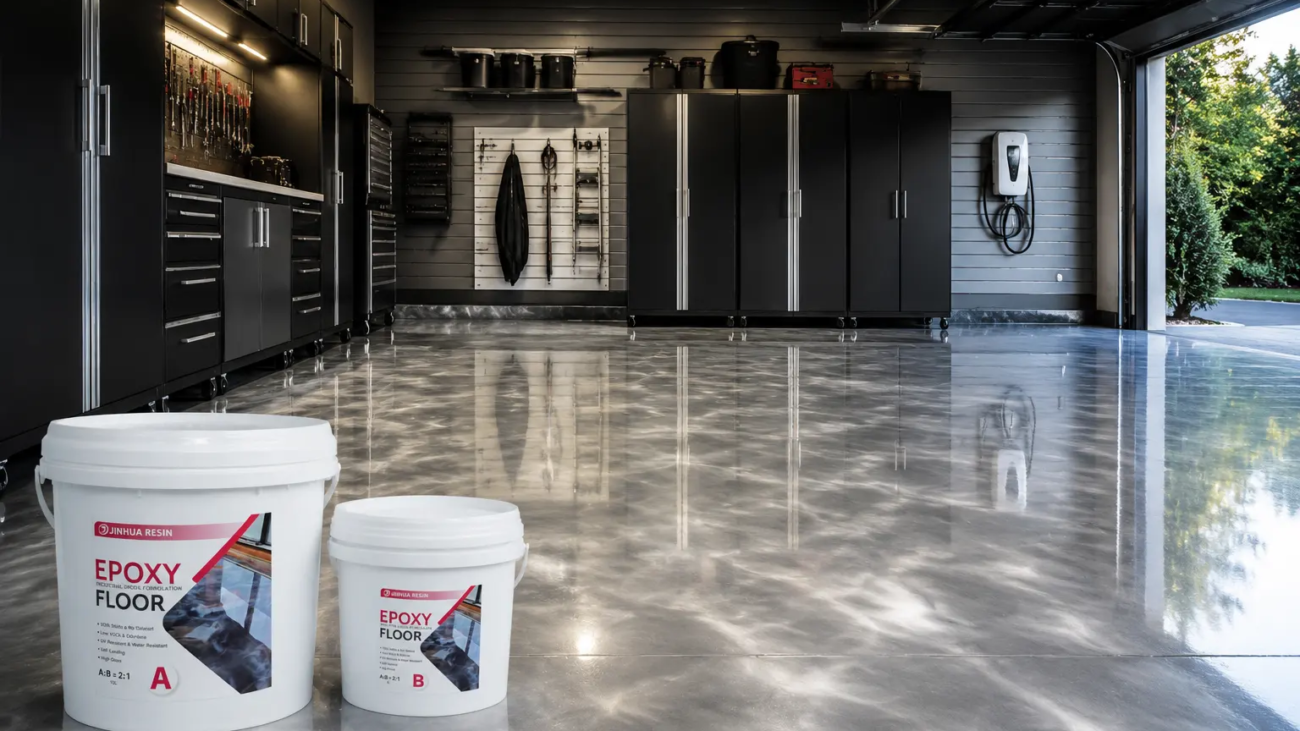
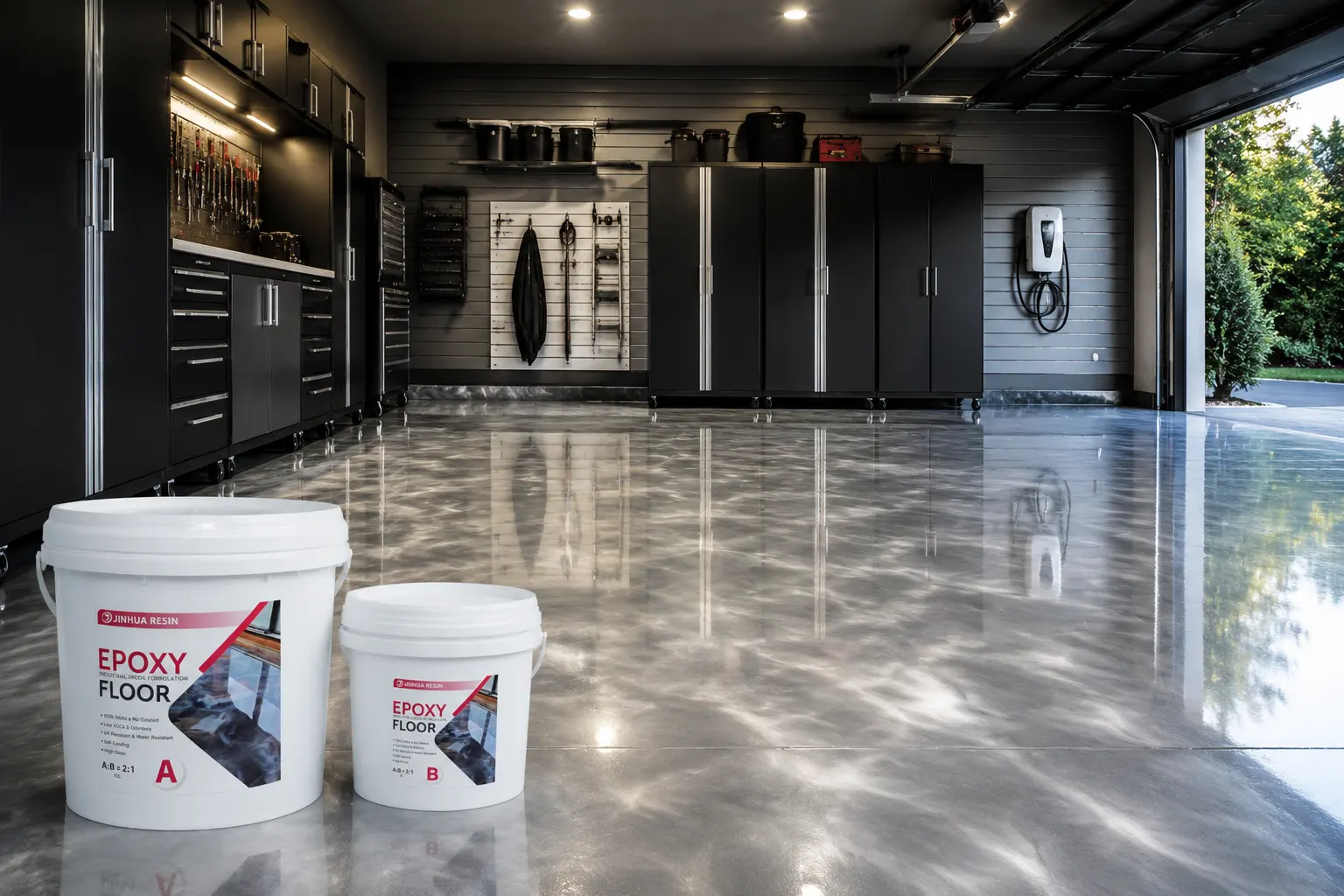
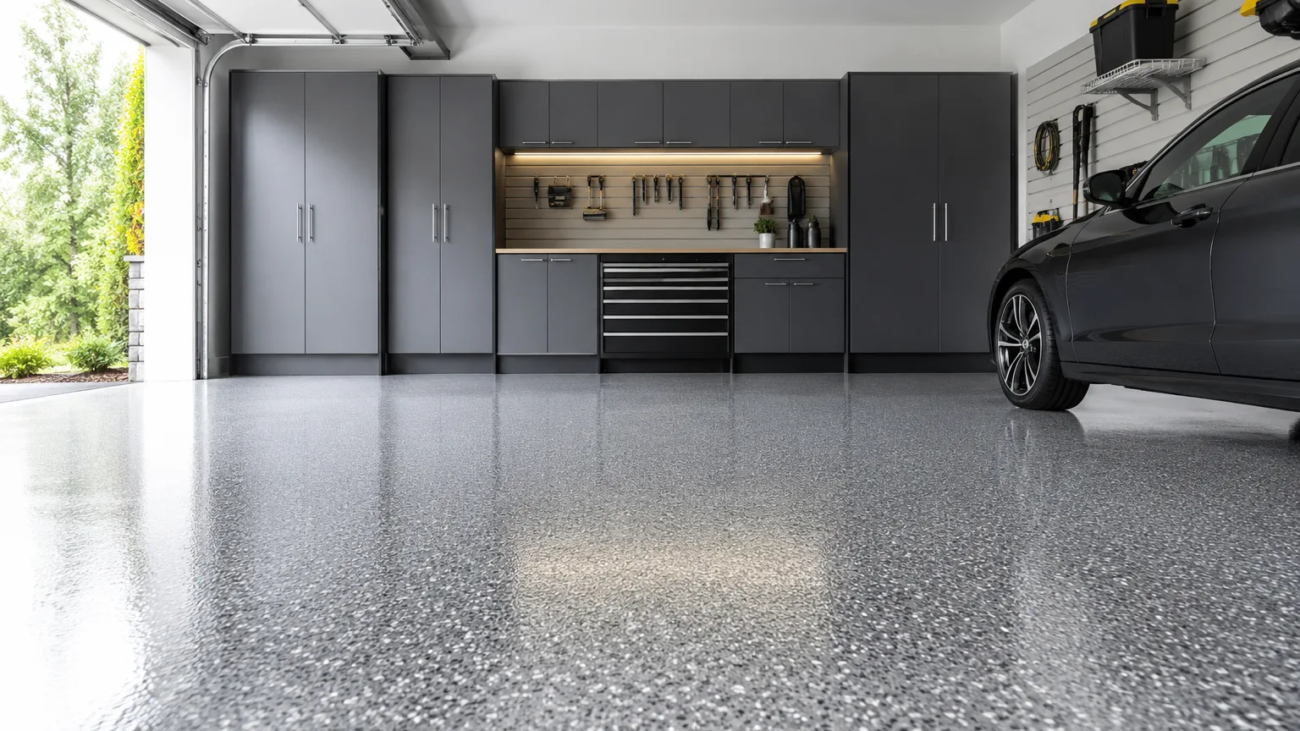
    The floor is the most easily overlooked part during garage renovation or remodeling, yet the garage floor coating is the most crucial step of the entire project. Vehicle oil leaks can cause issues such as dusting, cracking and stubborn stains on the floor, which are also extremely difficult to maintain later on. For this reason, choosing a suitable and high-quality floor coating for the garage is of great importance. Among all options, epoxy floor coating can significantly extend the service life of the garage floor and create a sleek, aesthetic finish. It also reduces the labor and material costs of daily maintenance, making it a key element in building an ideal functional garage space.

    Best Epoxy Coating For Garage Floor

    1. What Is Epoxy Coating and Why It Matters

    Epoxy coating is a robust protective material designed specifically for concrete surfaces. Epoxy forms a hard, seamless, and smooth layer protecting the concrete surface from damage. Epoxy is far better in terms of protection compared to bare concrete. The following are some practical benefits:

    • Enhanced wear resistance for frequent vehicle traffic
      The epoxy coatings are designed to withstand tire friction and everyday use, which can prevent wear, dusting, and deterioration of the surface over time.
    • Protection against oil, moisture, and chemical penetration
      A non-porous finish prevents the soaking in of automotive fluids, water, and cleaning solutions, which can cause staining.
    • Improved appearance for a clean, professional look
      These epoxy floor coatings are available in different finishes that cover the look of the floor with a highly polished, professional look, much like those found in industrial settings.

    Hence, epoxy systems are found to be at the best epoxy coating for garage floor owing to these advantages.

    2. Choosing the Right Type of Epoxy Coating

    Understanding the differences between epoxy coating types is essential before making a decision. Most garage floor epoxy products fall into the following three categories, each with distinct performance characteristics:

    • Epoxy Flake Flooring
      Epoxy flake floor is a multi-layer composite high-performance decorative and wear-resistant floor finish. With epoxy resin as the film-forming and bonding matrix, high-quality composite flakes are evenly scattered on it, followed by troweling and sealing with a topcoat to form a seamless integral floor. It features outstanding high compressive strength and wear resistance, making it ideal for garage floors and also one of the most popular floor coatings on the market.
    • Epoxy Metallic Flooring
      Epoxy metallic floor is a seamless, high-decorative and high-performance flooring system formulated with solvent-free/high solid content epoxy resin as the base material and added with metallic pigments (aluminum powder, copper powder, pearlescent metallic powder). The pigments flow naturally during the epoxy curing process, creating a unique 3D flowing texture that resembles liquid metal, natural marble or lava, boasting exceptional aesthetic value and ranking among the most popular choices for garage floors on the market.
    • Epoxy Colored Sand Flooring
      Epoxy colored sand floor is a seamless integral flooring system made with epoxy resin as the bonding matrix and mixed with colored quartz sand as the aggregate. Leveraging the high hardness of quartz sand and the strong adhesion of epoxy resin, it combines practical wear resistance with three-dimensional decorative effects. As a classic type of epoxy flooring with heavy load resistance and scratch resistance, it is highly suitable for large-scale garage floors.

    3. Matching the Coating to Your Garage Usage

    The choice of garage floor coating varies according to different usage scenarios. For example, epoxy flake flooring or epoxy metallic flooring is an ideal choice for residential garages or community garages; while epoxy colored sand flooring is more suitable for industrial storage areas and heavy equipment operation zones. The frequent entry and exit of vehicles, as well as the floor’s exposure to oil stains and various chemicals, are core considerations, which directly influence the requirements for the wear resistance and durability of the floor coating. To ensure that the epoxy garage floor coating delivers optimal performance, maintains strong adhesion and a sleek appearance, selecting a product that aligns with the actual usage scenario is the key.

    4. Surface Preparation and Long-Term Value

    Even the highest-quality epoxy coating can fail if surface preparation is inadequate. Proper preparation improves adhesion and significantly extends the lifespan of the coating. Standard preparation steps typically include:

    • Thorough cleaning to remove oil and debris
      A clean surface is essential to ensure the epoxy bonds properly with the concrete.
    • Repairing cracks and damaged areas
      Addressing surface defects helps prevent future cracking and coating failure.
    • Ensuring the concrete is dry and level
      Moisture or uneven surfaces can compromise curing and long-term durability.

    From a long-term perspective, investing in a durable, low-maintenance solution often delivers better value than choosing lower-cost products with shorter lifespans. This is a key consideration when evaluating the best epoxy coating for garage floor.

    Conclusion

    The process of choosing an epoxy coating is not based on price and/or supplier alone, but rather on achieving a balance of material type, garage usage, and proper installation procedures. By achieving these elements, the garage has the potential to attain long-lasting protection, along with considerable visual potential. JINCHENG has dedicated a great deal of time to researching the application of epoxy flooring materials, hence achieving a great deal of technical know-how pertaining to garage floors’ specific performance requirements. If you are looking for the best epoxy coating for garage floor, feel free to contact us for professional guidance and tailored solutions.