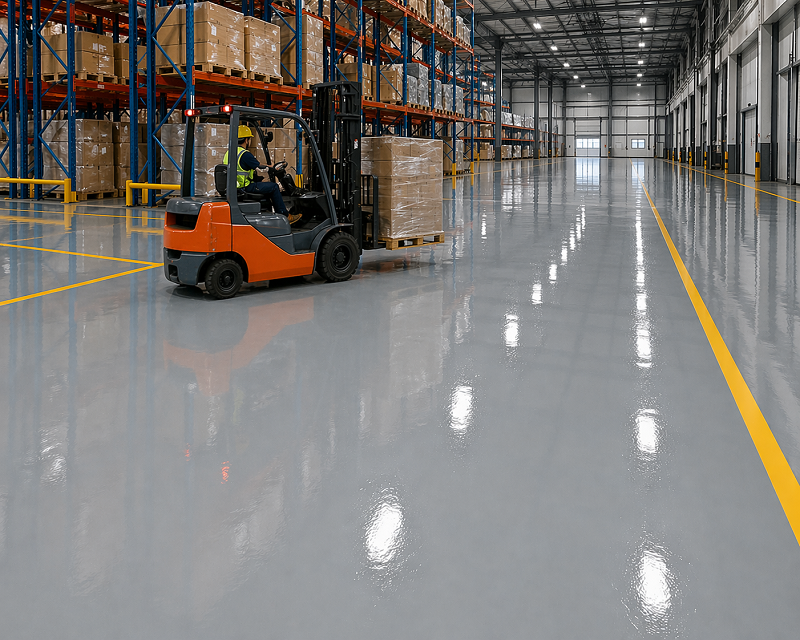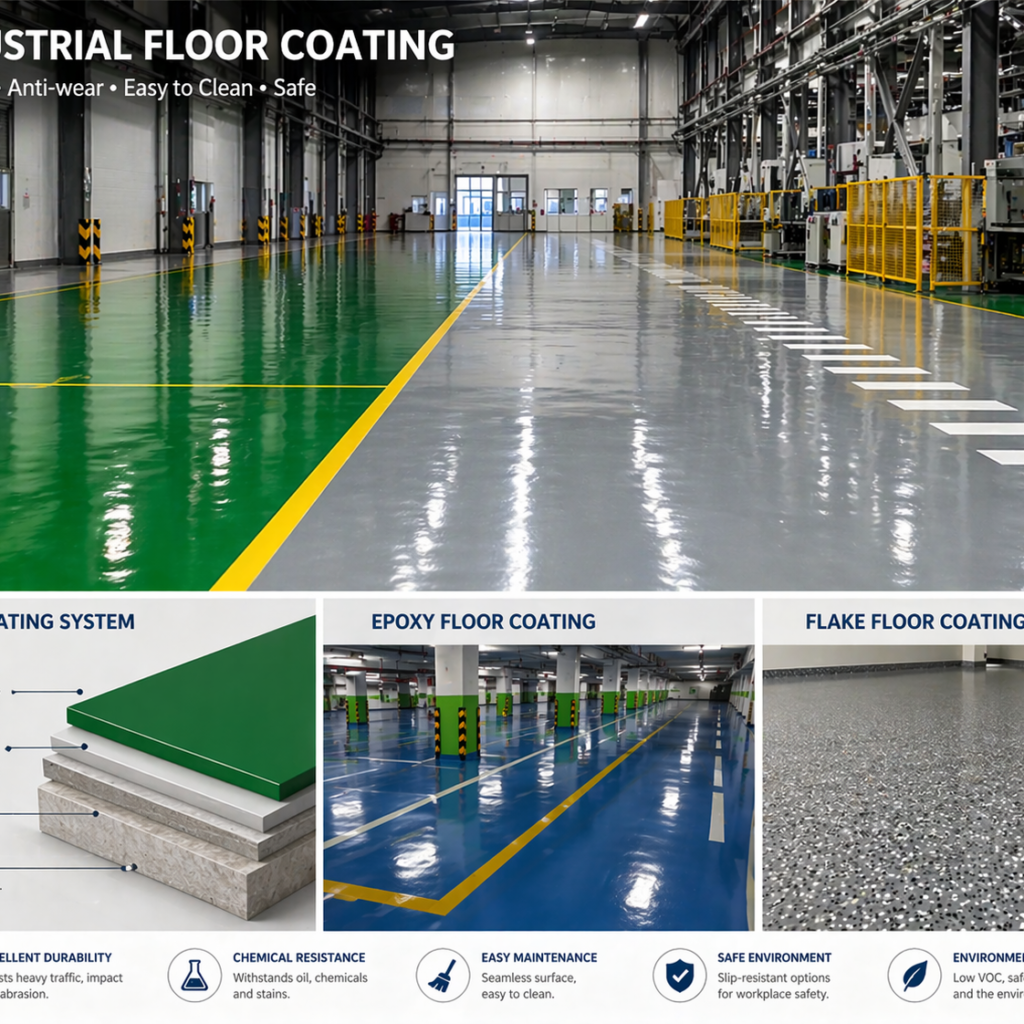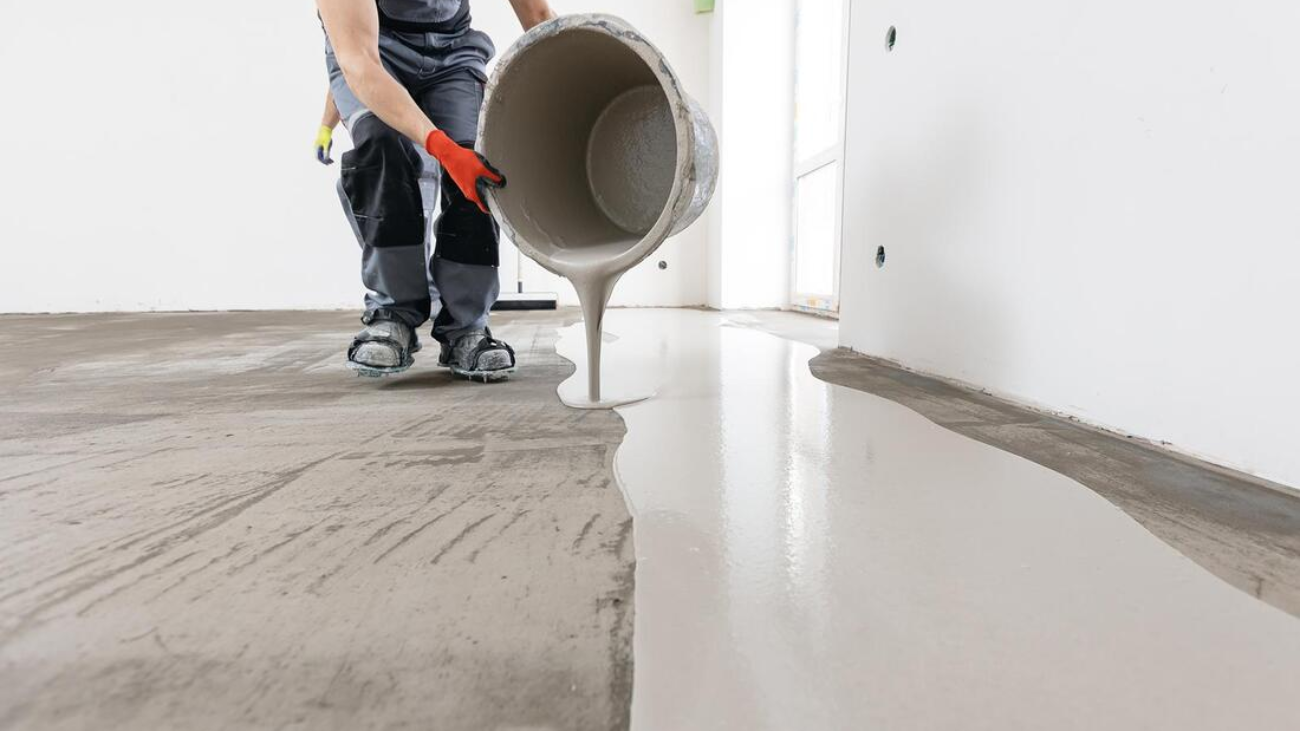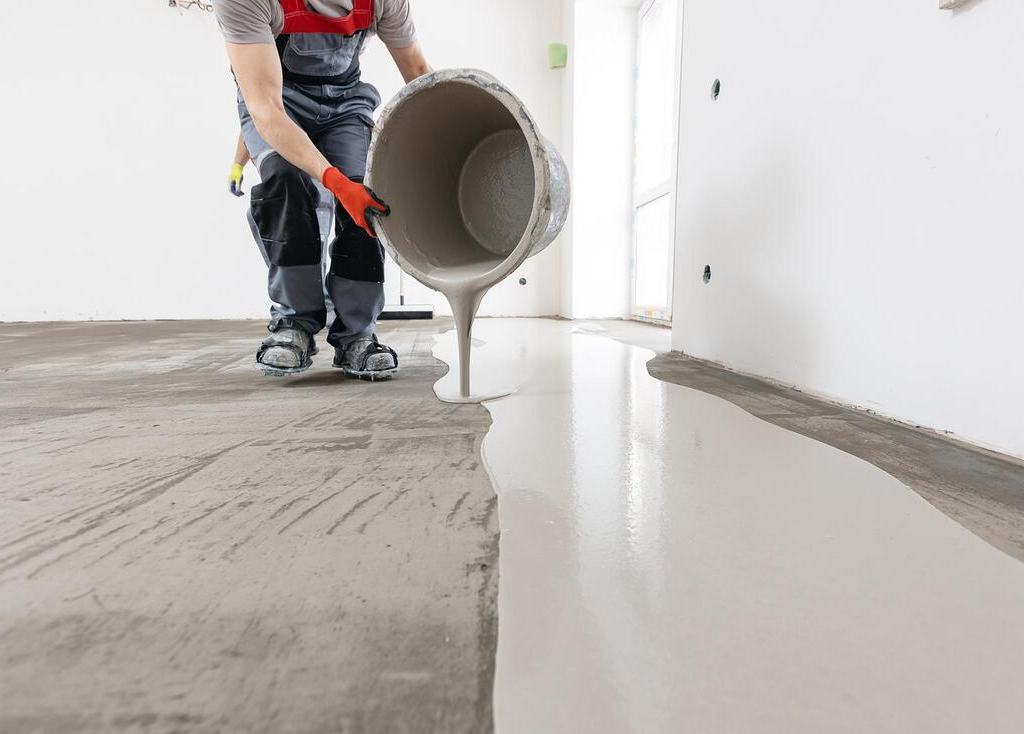

Flake Epoxy Floor Coating

How to Choose Flake Colors for Your Epoxy Floor coating — A No-Fluff Guide to Getting It Right

Flip through a color sample book for flake epoxy floor coating and you’ll hit a wall fast. Warm blends, cool blends, dark chips, multi-color mixes — dozens of combinations, zero obvious starting point. Most people spend more time staring at samples than they expected and still aren’t confident when they finally pick one.

This guide skips the preamble. You’ll find out how to read a space before choosing a color, which flake sizes actually perform in a garage, what blend rules hold up in real installs, and which color directions are moving in 2026.
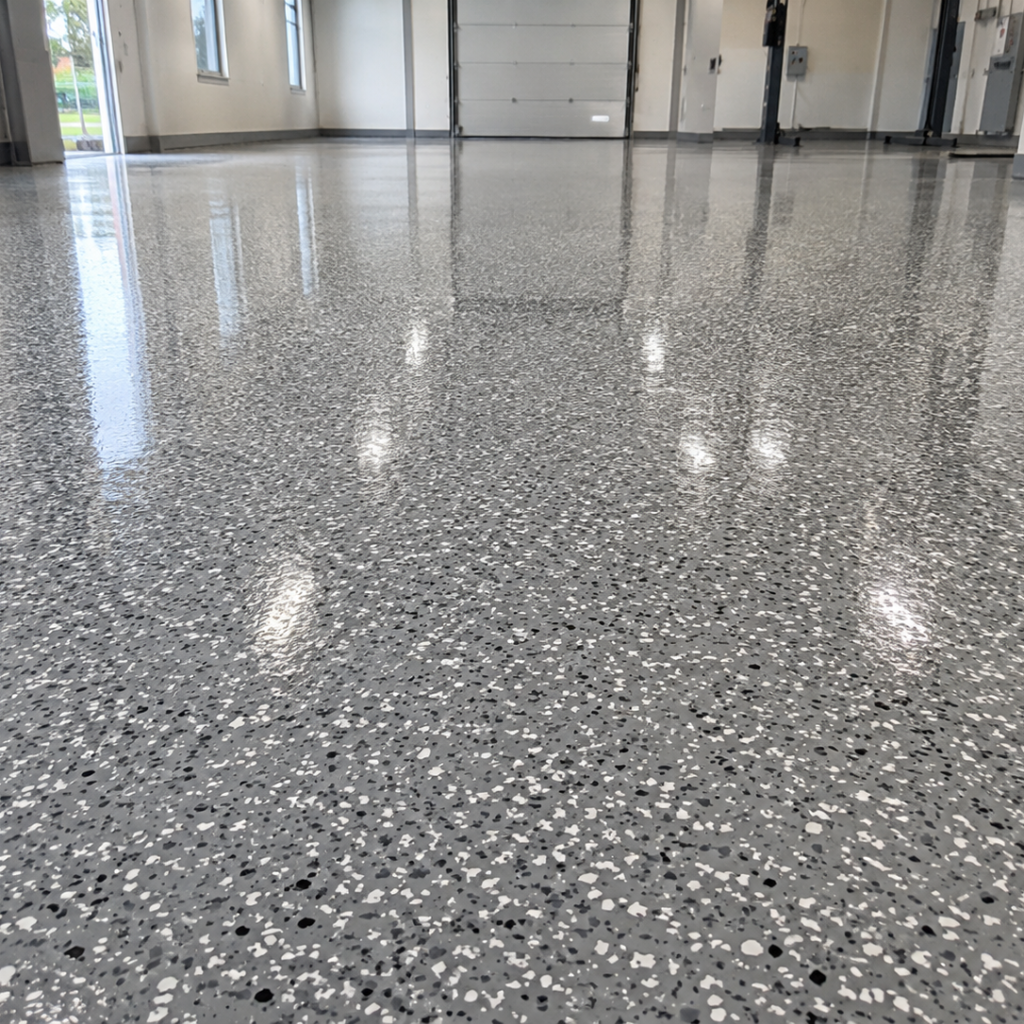
Flake Epoxy Floor Coating

What Are Flakes, and Why Do They Matter Beyond Looks?

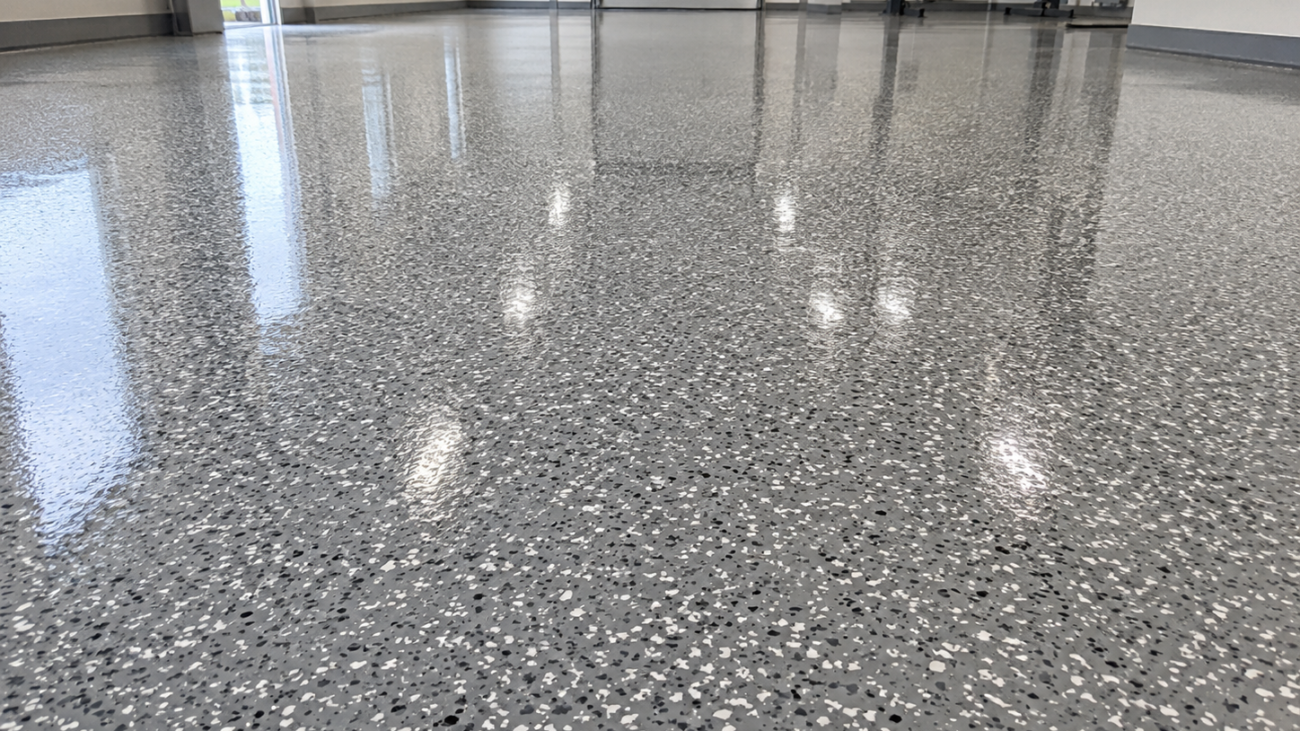
Color flakes — also called vinyl chips or decorative chips — are small polymer paint fragments broadcast by hand into a wet epoxy base coat, then locked in with a clear topcoat. The final surface is sealed, seamless, and far more durable than bare concrete or standard floor paint.

But flakes aren’t just a cosmetic upgrade. They do real work:

  • Hide surface flaws — minor cracks, patched spots, uneven concrete color all disappear under a full broadcast
  • Add grip — the denser the chip coverage, the more texture underfoot
  • Create visual depth — multi-color blends read like natural stone, not painted concrete
  • Stay cleaner longer — dust, tire marks, and scuffs don’t show on a mixed-color surface the way they do on solid or metallic finishes

That combination of looks and function is why flake epoxy floor coating consistently outranks every other finish type in residential garage installs. It’s not even close.


Step One: Lock In the Space’s Direction Before You Touch a Color Card

The most common mistake people make is falling for a color before thinking about context. They see a granite gray blend they like, order it, and then realize it clashes with their tan walls or disappears visually against their gray cabinets.

Work in this order: space style → wall and door color → floor color. The floor comes last, not first.

Modern or Minimalist Garage

Clean lines, white or light gray walls, simple storage. Neutral chip blends work best here — gray, white, and black mixed together, or a cool quartz-tone blend. Anything too warm or too saturated tends to look out of place. The floor should feel like it belongs, not like it’s competing.

Industrial or Warehouse-Inspired

Dark is the obvious call, but the specifics matter. Charcoal-dominant blends with hints of blue or brown read more sophisticated than straight black. Pair with a satin or matte topcoat — high-gloss on a dark floor can actually undercut the industrial feel you’re going for. This aesthetic also dominates in commercial flake epoxy floor coating installs right now.

Traditional or Craftsman Style

Brick, wood beams, warm-toned furniture — the floor should echo that warmth, not fight it. Saddle tan, autumn leaf, sand, and earth-toned blends sit naturally alongside organic materials without drawing too much attention to themselves.

Showcase Garage or Multipurpose Space

If the garage doubles as a gym, a workshop, or a place where you actually want people to notice the floor — you’ve got more room to be bold. Dark base blends with blue or teal accent chips have been a popular move in higher-end builds lately. Strong visual presence without being flashy.


Four Color Rules That Hold Up in Real Installs

Go Multi-Color, Not Single

Single-color chip blends exist. Essentially nobody picks them. Four or five colors mixed together create the kind of depth you’d see in granite or terrazzo — it’s more interesting to look at and it ages better. Single-color reads flat and shows inconsistencies in the surface.

Contrast Your Base Coat Against Your Chips

The base coat color underneath the chips bleeds through, especially on lighter chip coverage. Dark base coat with lighter chips — sharp contrast, strong depth. Light base coat with darker chips — same result. What doesn’t work is matching them too closely. Similar base and chip tones flatten everything out and make the floor look gray and dull rather than layered.

Go Darker Than You Think in a Working Garage

Light and white chip blends photograph beautifully. In an actual garage, they’re high-maintenance. Tire marks show within a week, oil drips become a project to clean, and any tracked-in dirt is immediately visible. Use lighter chips as accents in a darker blend — you get the contrast without the cleanup headache.

Always Look at Samples in Your Actual Space

Same chip blend, fluorescent shop light versus afternoon sun through the garage door — it can look like two completely different products. Get physical samples, not digital swatches, and hold them in your garage under the light conditions you’ll actually live with. This one step prevents a lot of regret.


Step Two: Pick the Right Flake Size

Get the color right and the size wrong, and the floor still won’t look the way you pictured. Flakes come in six standard sizes — 1″, 1/2″, 1/4″, 1/8″, 1/16″, and 1/32″ — and each one changes the feel of the finished floor.

1/16″ Micro Flakes

Tightest pattern, closest to polished granite in appearance. Works well in small spaces (under 200 sq ft) or projects leaning toward a sleek, minimal look. The trade-off: any unevenness in the slab gets highlighted, not hidden. This size demands a very flat, well-prepped surface, and it’s harder to keep clean than larger chips. Not the go-to for a heavily used garage.

1/8″ Small Flakes

The most widely used size in residential work, and for good reason. Fine texture, natural color blending, versatile enough to work in almost any garage style. If you’re unsure where to start, this is the safe call — in the best sense of the word.

1/4″ Standard Flakes

Maximum concealment. Cracks, old stains, surface inconsistencies — this size covers them better than anything smaller. The visual result reads closest to terrazzo, with visible pattern and genuine depth. Most professional flake epoxy floor coating installers default to 1/4″ on standard two-car garage jobs. It performs reliably and looks good in a wide range of spaces.

1/2″ – 1″ Large Flakes

Big visual impact, best suited to large footprints (800+ sq ft) or spaces where the floor is meant to be a design statement. High color contrast, strong texture, and a result that’s genuinely hard to ignore. The application is more demanding — large chips need to be broadcast carefully for even distribution and require thicker topcoat coverage to properly encapsulate them.

One thing worth knowing: many experienced contractors don’t stick to one size. Blending 1/4″ as the primary chip with a smaller percentage of 1/8″ and some 1/2″ creates a more irregular, organic pattern — closer to natural stone than any single-size broadcast can achieve on its own.


Color Directions Moving in 2026

Trends in flake epoxy floor coating don’t shift overnight, but there are clear directions this year worth knowing before you commit.

Charcoal with Blue Accent Chips This is the combination that’s been displacing the plain granite gray that saturated the market between 2020 and 2024. A dark charcoal base blend with subtle blue or teal accent chips has enough visual interest to stand out while staying dark enough to hide everything a garage throws at a floor. It’s the current default for higher-end residential installs.

Warm Neutrals (Saddle Tan, Autumn, Desert Earth) The market shifted heavily toward cool grays post-2020. That’s reversing now. Warm-toned blends — brown, tan, amber, earth — are seeing a clear uptick, particularly in traditional-style homes and from homeowners who want the garage to feel like an extension of the house rather than a utility space.

Midnight Black with White or Silver Accents A deep black base with white and silver chip accents reads like dark marble or a night sky under a gloss topcoat. It’s the showpiece floor choice — high impact, distinctive, and more popular in display-oriented garages than in everyday use spaces.

Coastal Blend (Light Blue, White, Warm Gray) A lighter direction — best where natural light is strong and the surrounding aesthetic leans coastal or Mediterranean. Gets washed out in dark garages, looks genuinely sharp in bright, open spaces.


Broadcast Density: Light, Medium, or Full?

How densely the chips are scattered changes the look as much as the color itself.

  • Light broadcast — chips spread thin, base coat still visible in places, a quieter, more subtle result
  • Medium broadcast — a balance between base coat and chip coverage, good middle ground for both look and texture
  • Full broadcast (broadcast to rejection) — chips are thrown until the wet epoxy can’t take any more, completely hiding the base coat, maximum texture and dirt resistance

For garages, full broadcast is the practical answer. It takes more material and requires two topcoat applications to properly seal all the chips, but the result is the most durable surface, the best grip, and the easiest floor to maintain day-to-day.


The Topcoat Finish Affects Color More Than People Expect

Pick your chips and then ignore the topcoat finish choice — and you might be surprised by the result. The finish level changes how the color reads in real light.

  • Gloss — colors appear richer and more saturated, the floor reflects light and makes the space feel larger
  • Satin — a middle ground that has some sheen without the mirror effect, the most common residential choice in 2026
  • Matte — subdued, close to polished concrete in feel, well suited to industrial or low-key aesthetics

One more thing on topcoats: if your garage gets direct sun exposure through the door, epoxy topcoats will amber over time. That yellowing shifts the apparent color of your chips — warmer, older-looking. Polyaspartic or polyurethane topcoats handle UV significantly better and keep the color truer for longer. Worth specifying upfront.


Three Things to Do Before You Commit to a Color

Get physical samples — not photos. On-screen and in-brochure colors are optimized to look good, not to accurately represent what your floor will look like. Pull a few blends you’re interested in, hold them in your garage under both daylight and artificial light. You’ll make a better decision with thirty seconds of that than with thirty minutes of looking at a website.

Ask for photos from completed local installs. Different climates, slab conditions, and lighting environments change the final result. Photos from your contractor’s actual nearby projects give you a more accurate preview than catalog shots.

Factor in everything else in the garage. Your car’s color, cabinet finish, wall paint — none of these need to match the floor exactly, but they should at least coexist. A floor color that works in isolation can feel wrong once everything is back in the space.


One Last Thing

Flake epoxy floor coating gives you a genuinely wide range of choices, which is great — but it also means there’s more room to go wrong. Most people who end up unhappy with their floor picked too light a color, didn’t check samples in real lighting, or didn’t think about how flake size would affect the overall look.

Get those three things right, and you’ve got a floor that holds up for fifteen years and still looks good on day one of year ten.
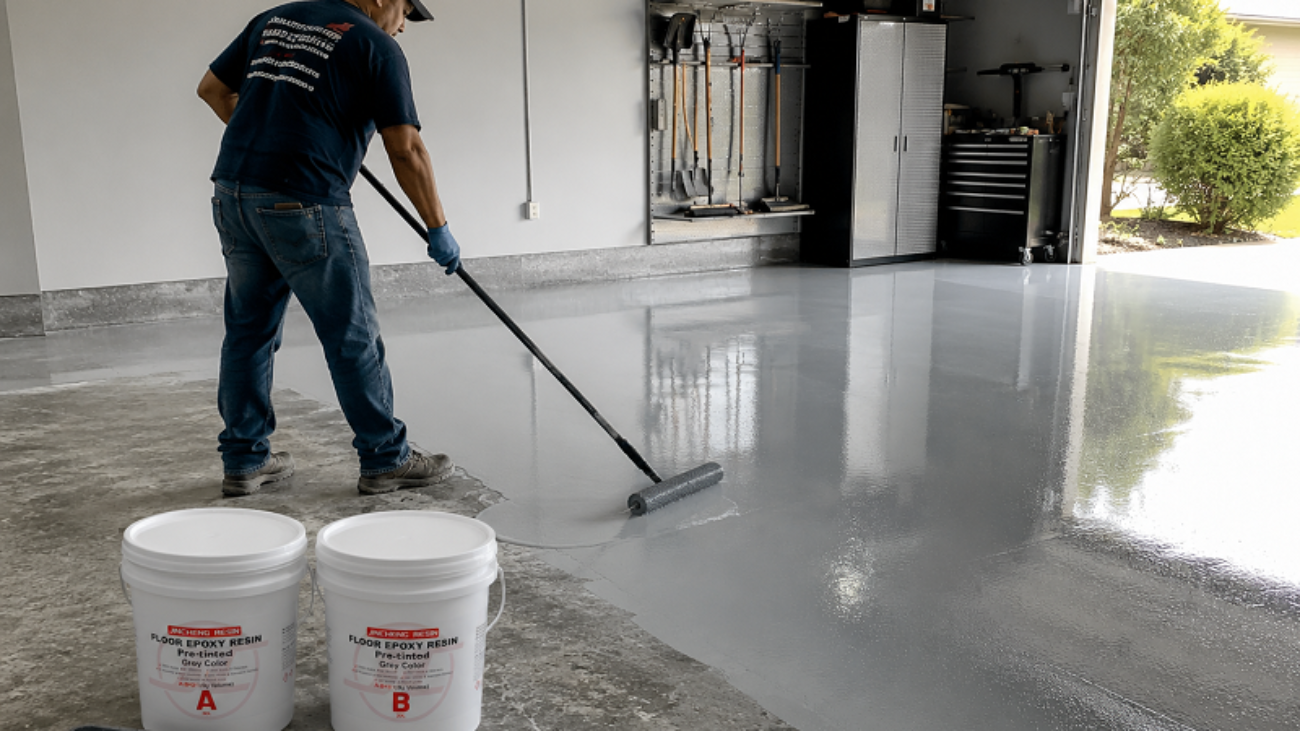
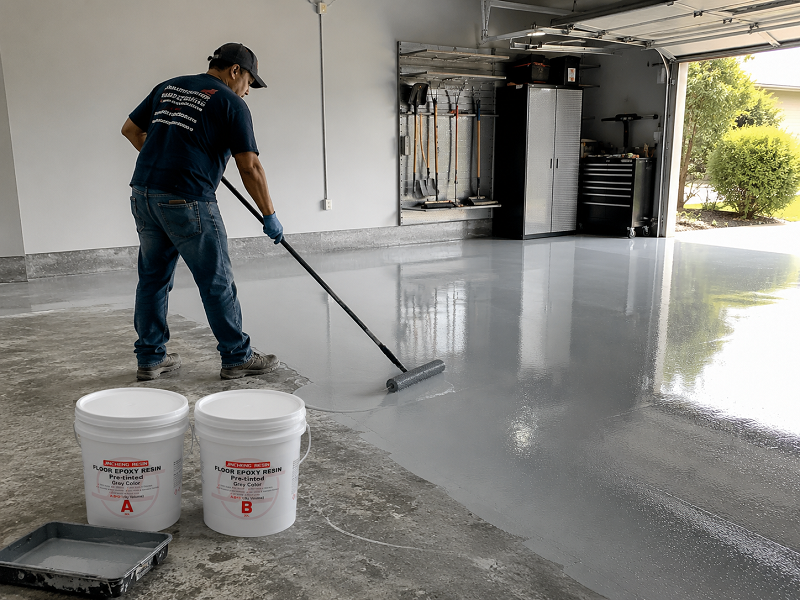
Epoxy Garage Floor Coating

How Much Does an Garage Epoxy Floor coating Really Cost in 2026?

Spent twenty minutes getting quotes online and walked away more confused than when you started? You’re not alone. Pricing for epoxy floor coating jobs varies wildly — and most of what you’ll find online either lowballs the number to pull you in or buries the real costs in fine print.

So let’s cut through it. This guide breaks down what you’ll actually spend on materials, what labor runs in 2026, and where the hidden costs tend to sneak up on people.

Epoxy Garage Floor Coating

The Short Version (If You Just Want the Numbers)

Installation TypePer Square FootTypical 2-Car Garage (500 sq ft)
DIY (materials only)$2 – $5$1,000 – $2,500
Professional (standard epoxy)$3 – $12$1,500 – $6,000
Professional (polyaspartic/polyurea)$7 – $16$3,500 – $8,000

For most homeowners getting a standard epoxy floor coating professionally installed, the all-in number lands somewhere between $2,500 and $4,000 for a two-car garage — roughly $5 to $8 per square foot at 2026 rates.

Now let’s look at where that money actually goes.


Material Costs: What You’re Paying For

Materials eat up about 30–40% of your total budget. A full epoxy system isn’t just one product — there are several layers involved, and each one costs something.

Primer

Think of primer as the foundation. It soaks into the concrete and gives the epoxy something to grip. Skip it, and you’re setting up for peeling down the road.

  • Runs about $0.30 – $0.95 per square foot

The Epoxy Layer Itself

This is where the price range really opens up. The coating type you pick drives material cost more than anything else:

Coating TypeMaterial Cost (per sq ft)Expected LifespanWhere It Makes Sense
Water-based epoxy$0.37 – $1.403–5 yearsWeekend DIY, light-use garage
Solvent-based epoxy$1.50 – $3.005–8 yearsMid-tier residential work
100% solids epoxy$3.00 – $7.0010–20 yearsAnything you want to last
Polyaspartic / polyurea$4.00 – $9.0015–25 yearsFast cure, outdoor exposure

If you want a floor that holds up for a decade-plus, the 100% solids epoxy is what professional contractors actually use. The water-based stuff is tempting on price — just know you’ll likely be redoing it sooner.

Color Flakes, Metallic Finishes, and Other Add-Ons

These are popular for good reason — they hide dirt, add texture, and look sharp. But they do push the material bill up:

  • Color chip / flake broadcast: +$0.50 – $1.50/sq ft
  • Metallic pigment system: +$2.00 – $5.00/sq ft
  • Quartz anti-slip blend: +$1.00 – $3.00/sq ft

Topcoat

The topcoat is what protects everything underneath — UV exposure, hot tires sitting on the surface, chemical drips. A polyurethane or polyaspartic finish coat is non-negotiable if you want the floor to age well.

  • Expect $0.50 – $2.00 per square foot

If You’re Going DIY: Full Material Budget (500 sq ft)

  • Entry-level water-based kit: $200 – $600
  • Professional-grade 100% solids kit: $800 – $2,000
  • Ancillary supplies (grinder rental, patching compound, acid wash, rollers): $100 – $300

Labor Costs: Where Most of the Money Goes

Here’s something that surprises a lot of people: on a professionally installed epoxy floor coating job, labor accounts for 60–70% of the total invoice. Understanding what that labor actually involves makes the pricing a lot easier to accept — or negotiate.

Phase 1: Surface Prep

Hands down the most important part of the whole project. A floor that lasts 15 years versus one that starts peeling at 18 months comes down almost entirely to how well this step was done.

What’s involved:

  • Diamond grinding — Opens up the concrete’s surface texture so the epoxy bonds mechanically, not just chemically. Requires real equipment.
  • Acid etching — A less aggressive option for clean, uncoated slabs. Cheaper, but not suitable for every situation.
  • Crack and divot repair — Any damage gets filled before anything else goes down.
  • Moisture testing — Concrete that’s pulling moisture up from below will cause delamination. Has to be checked.

Prep work alone typically represents 30–50% of your total labor cost. If a quote seems too low, this is usually the step that got cut. Push back on it.

Surface prep labor: $1.00 – $3.50 per square foot

Phase 2: Application

Once the slab is ready, the crew rolls on primer, applies the base coat, broadcasts any decorative chips or quartz, and finishes with the topcoat. Depending on the system and how many layers are involved, this usually takes one to three days.

Application labor: $1.50 – $5.50 per square foot

What Total Labor Looks Like by Garage Size

GarageLabor Cost
1-car (~250 sq ft)$500 – $1,500
2-car (~500 sq ft)$1,000 – $3,000
3-car (~750 sq ft)$1,500 – $4,500

Geography matters too. Contractors in dense metros charge 20–30% more than the national average. Smaller markets and rural areas generally run lower.


Full Project Cost by Garage Size

GarageSquare FootageTotal (Professionally Installed)
1-car200 – 300 sq ft$900 – $3,600
2-car400 – 600 sq ft$2,000 – $7,200
3-car600 – 900 sq ft$3,000 – $10,800

Things That Can Push the Number Higher

Most quotes start reasonable and then climb once someone actually looks at your floor. Here’s what tends to move the needle:

  • Damaged concrete — Significant cracking, oil soaking, or moisture problems mean more prep time and materials. Add $0.50 – $2.00/sq ft.
  • An existing coating — If there’s old paint or a failed epoxy floor coating already down, it has to come off completely before anything new can go on. That’s extra grinding time.
  • Obstacles and oddities — Floor drains, step transitions, load posts, and uneven sections all slow a crew down.
  • General contractor involvement — If a GC is coordinating the project, their overhead typically adds 13–22% on top.
  • Where you live — Regional pricing swings can push costs up or down by roughly 20%.

DIY vs. Hiring a Pro: An Honest Take

Neither option is universally better — it really depends on your situation.

DIY tends to work well when:

  • The slab is clean, flat, and crack-free
  • You’ve done hands-on projects before and aren’t intimidated by multi-step processes
  • Saving money is the main goal — you can realistically cut 50–70% off the labor portion
  • You’re okay with a water-based or mid-grade system and a 3–5 day project window

Bring in a professional when:

  • You want a 100% solids or polyaspartic epoxy floor coating backed by a warranty of 10 years or more
  • The concrete is in rough shape and needs real repair work
  • You’re after a decorative finish — metallic, full-flake, or anything custom
  • You want it done right and done fast, without tying up your weekend

One thing worth noting: the single biggest DIY failure point is surface prep. Most people under-grind or skip moisture testing. If you go DIY, rent the right grinder and don’t rush that step.


Is the Investment Actually Worth It?

For most garages — yes, by a reasonable margin.

A well-installed epoxy floor coating holds up against tire heat, spilled chemicals, road salt tracked in on boots, and daily traffic for ten to twenty years. That’s a very different story from bare concrete (which stains and degrades) or standard floor paint (which typically starts peeling within a couple of years).

Run the numbers on a two-car garage and you’re often looking at $0.30 – $0.60 per square foot per year across the life of the coating. Repaint or resurface every two years and that cost climbs fast.


Bottom Line

In 2026, a typical garage epoxy floor coating project runs:

  • ~$1,500 for a solid DIY job using quality materials
  • ~$2,500 – $4,000 for professional installation on a standard two-car garage
  • $6,000+ for high-end systems like polyaspartic with full decorative broadcast

Before signing anything, ask every contractor for a line-item breakdown of materials and labor — and specifically ask what their surface prep process includes. The quote that comes in $500 cheaper is often the one skipping the step that matters most.


Want to learn more? Feel free to contact our staff; we will provide you with the most professional service.

Common Problems With Floor Coatings And How To Avoid Them

Common Problems with Floor Coating and How to Avoid Them

Floor coating is the strongest shield for concrete floors. It can protect floors from erosion by various substances, prevent dust, extend the service life of concrete floors, and achieve a good aesthetic effect. This is why it is used in commercial, industrial, residential and other major scenarios. However, even the best floor coatings often have problems during construction or use due to missing some details. Today, Jincheng will take you to understand the common problems of floor coatings and prevention methods, hoping to help you.

Common Problems With Floor Coatings And How To Avoid Them

Peeling and Falling Off of Floor Coating

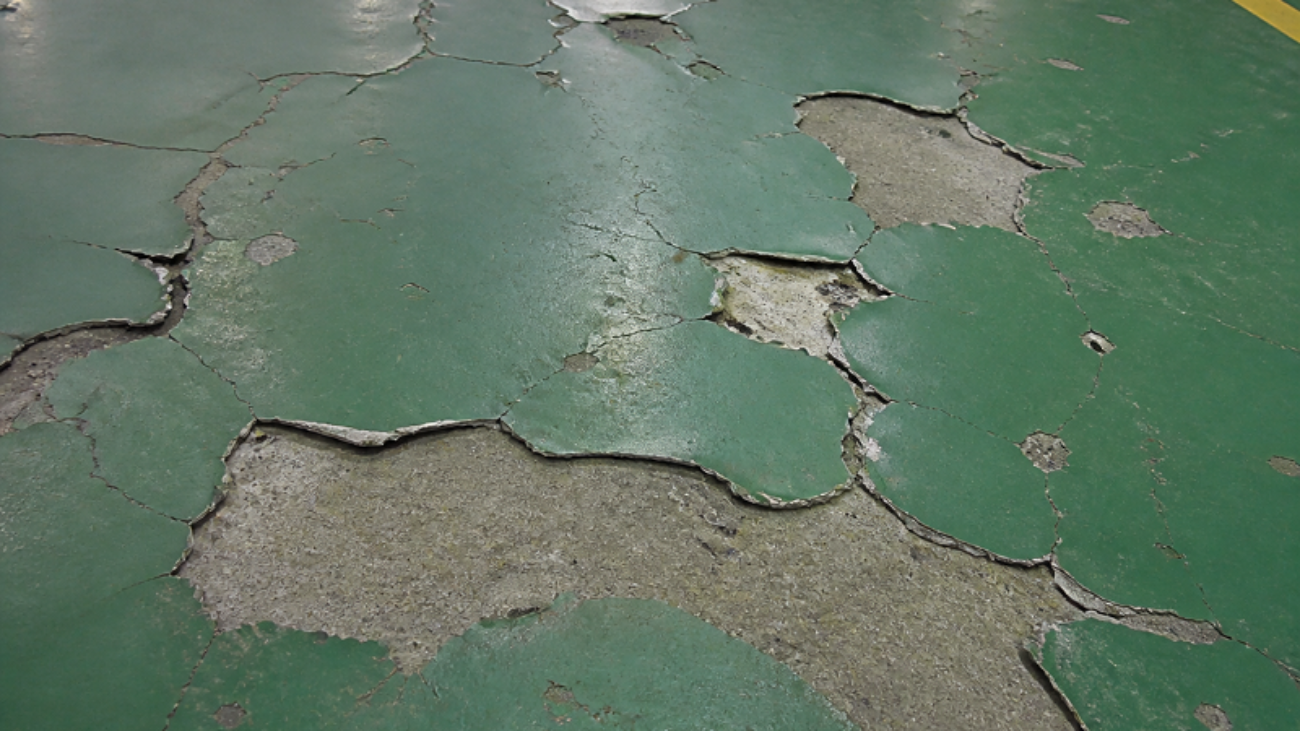
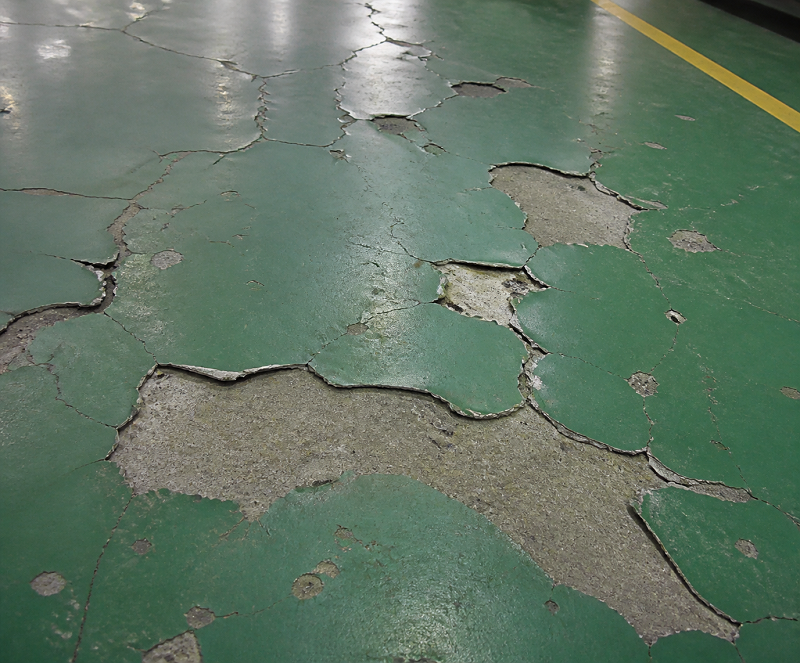
Peeling and falling off of floor coatings are common problems in daily use, caused by insufficient adhesion between the coating and the concrete floor. Common reasons for insufficient adhesion are: the concrete base is not carefully cleaned, leaving dust, grease, chemicals and other substances on the surface, which will hinder the bonding between the coating and concrete; it is also possible that the moisture content of the concrete base is too high, and excessive moisture will also hinder the adhesion of the coating; and the floor is not polished. The concrete surface is usually smooth and needs to be polished to make the surface rough, thereby improving adhesion.

Solutions: Remove dirt from the concrete base, use a vacuum cleaner for dust, and a degreaser for oil stains; for bases with excessive moisture content, a water-based primer or MVB primer can be applied first to provide a good moisture barrier for intermediate and top coats; the floor can be roughened with a grinder or shot blasting machine – this can open the concrete pores and form a rough surface for better coating adhesion.

Blistering and Pinholes of Floor Coating

Coating blistering (bubbles of different sizes under the coating) and pinholes (tiny holes on the surface) are common problems in the construction process, especially in epoxy and polyurethane coatings. Blistering and pinholes not only affect the appearance, but also weaken the performance and strength of the coating to a certain extent, making it more prone to damage and wear.

Blistering is generally caused by air or water vapor. When the concrete base is too wet, water vapor will rise after the coating cures, forming bubbles in the cured coating; in addition, when the construction environment temperature is too high, high temperature will accelerate the curing process, causing air or solvent vapor to be trapped in the coating before escaping, resulting in bubbles. Pinholes are usually caused by improper mixing (air mixed into the coating) or excessive coating thickness applied at one time, so that air cannot escape during the drying process.

Solutions: For wet concrete bases, water-based coatings or MVB primers can be used, and construction in high temperature should be avoided, such as choosing construction in the morning or evening, avoiding the hottest time at noon; when mixing coatings, such as epoxy which is divided into component A and B, use an electric mixer to fully mix component A/B resin slowly and evenly, which can effectively avoid bringing in a lot of air, and scrape the bucket wall to prevent bubbles. Apply the coating thinly and evenly in accordance with the manufacturer’s thickness standard, and use a defoaming roller to release trapped air before the coating cures.

Severe Fading or Yellowing of Floor Coating

I believe many people have been troubled by fading or yellowing problems. Coating fading and yellowing greatly affect the appearance, especially for commercial spaces. The causes of coating fading and yellowing are generally related to sun exposure, which is common in epoxy floor coatings; in addition, the use of inferior pigments can easily lead to fading and yellowing.

Solutions: First of all, choose UV-resistant floor coatings, such as Polyaspartic Coating, polyurethane coating, etc. If you have to choose epoxy materials, you can apply a layer of transparent top coat with UV protection function on the surface after curing; at the same time, avoid using inferior pigments to ensure the long-term beauty of the floor.

Cracking and Flaking of Floor Coating

The original intention of the development of floor coatings is durability, but many users feedback that their floors start to crack and flake after a few years of use. In fact, most cases of cracking and flaking are caused by inappropriate coating selection and improper construction. To give a simple example, ordinary epoxy floor coatings in heavy-duty environments will sooner or later crack or flake under the perennial mechanical impact of forklifts and other large machines.

Choose the appropriate floor coating according to the usage scenario – for example, choose high wear-resistant and high impact-resistant polyaspartic coating or polyurethane coating for garages and industrial spaces; choose more corrosion-resistant coatings for chemical industrial scenarios.

Poor Curing and Stickiness

Poor curing or continuous stickiness of floor coatings is also a common problem in the construction process, especially in personal DIY floor construction. Poor curing and stickiness of the coating will directly lead to the failure of the entire coating project, and the main reasons are low temperature, high humidity (such as rainy days), wrong mixing ratio, and material quality problems.

Solutions: Mix materials strictly in accordance with the manufacturer’s material ratio (weigh with an electronic scale); if the ambient temperature is always low, you should communicate clearly with the manufacturer, and they will provide low-temperature version coating materials; do not construct in rainy days and other high-humidity weather.

Conclusion

Jincheng has shared the common problems of floor coatings and some solutions. I hope this can help you who are troubled. If you have any questions or needs about this, please contact us.

Water Based Epoxy Floor Coating

Epoxy Floor Coating: Solvent vs Solvent-Free – What’s the Difference?

Epoxy floor coatings show up almost everywhere these days—from busy factories and bustling commercial spots to our own garages and homes. It’s easy to see why, given how incredibly durable, good-looking, and relatively affordable they can be. Still, when someone is trying to pick the right epoxy coating, one big question often comes up: how do you really decide between a solvent-based option and a solvent-free one? What truly sets them apart from each other? Here, we’ll break down the key differences between these two types of epoxy floor coatings, aiming to help you figure out which product might be the best fit for your project.

What is Solvent-Based Epoxy Floor Coating?

Solvent-based epoxy floor coatings refer to epoxy resins added with a certain amount of solvents, usually alcohols, ketones, esters, etc. (containing 30% to 60% organic solvents). These solvents reduce the viscosity of epoxy resin, making it easier to apply and flow during construction. This type of coating is generally applied by brushing, rolling or spraying, with a single construction thickness of 0.1-0.3mm per coat. Multiple coats are required to achieve the usable thickness.

If you’re using solvent-based epoxy coatings, it’s really important to make sure you have good ventilation while you’re working. That’s because as the solvents evaporate, they release a good amount of VOCs into the air, which can affect air quality and potentially impact your health if you’re breathing them in over time. Now, these solvent-based epoxy coatings do come with some advantages. They’re usually less expensive in terms of material cost, pretty easy to apply, and quite versatile. This often makes them a popular choice for projects with tighter budgets or for spaces that don’t require the absolute highest performance. The downside, though, is their higher emissions of volatile organic compounds and that often lengthy drying time, both of which are common concerns people have.

Solvent Based Epoxy Floor Coating

What is Solvent-Free Epoxy Floor Coating?

As the name suggests, solvent-free epoxy floor coatings do not contain any organic solvents. They use low-viscosity epoxy resins and curing agents, or reactive diluents (these diluents become part of the final cured film and do not volatilize) to achieve constructible viscosity, so there is no concern about VOC emissions.

Compared with solvent-based coatings, solvent-free epoxy floor coatings are more eco-friendly with zero VOC emissions; they have a faster drying speed (usually surface drying in 4-6 hours, full curing in 24-48 hours), and a thicker single construction thickness (1-3mm), which reduces construction times and effectively lowers labor costs. Solvent-free coatings have higher wear resistance and compressive strength, making them ideal for high-demand scenarios such as workshops and warehouses.

However, solvent-free epoxy floor coatings have higher viscosity, requiring more experienced construction workers, and the material cost is also higher. The combination of professional construction teams and high material costs discourages many people with limited funds.

Solvent Free Epoxy Floor Coating

What is Water-Based Epoxy Floor Coating?

When discussing solvent-based and solvent-free epoxy coatings, water-based epoxy floor coatings are also indispensable. They use water as a solvent or diluent, allowing construction with low VOC emissions and no harmful gases.

Water-based epoxy coatings not only meet environmental protection standards but also have excellent adhesion and durability. Due to their special curing mechanism, the dried coating film has micro-pores that allow water vapor penetration, preventing coating damage and making them highly suitable for damp floors. They also have good recoatability on old substrates.

Nevertheless, water-based epoxy coatings have poor temperature resistance, especially in high-temperature environments, where they are prone to cracking and peeling. In addition, their cost is the highest among the three types of coatings.

Water Based Epoxy Floor Coating

Comparison Table

CharacteristicsSolvent-Based Epoxy CoatingSolvent-Free Epoxy CoatingWater-Based Epoxy Coating
Solvent contentContains solventsSolvent-freeUses water as solvent
VOC emissionsHighNoneExtremely low
Construction environment requirementsRequires ventilationNo special ventilation requiredStrict temperature control
Curing timeRelatively longRelatively fastFast
Chemical resistanceStrongRelatively strongGood
Application scopeSuitable for low-demand scenariosSuitable for high-strength, high-wear scenariosSuitable for damp floors
CostLowHighHighest


Summary

Solvent-based, solvent-free, and water-based epoxy coatings—they each come with their own unique set of upsides and challenges. Really, the trick to choosing the right epoxy floor coating is to carefully weigh both what your specific location requires and what makes sense economically. My hope is that this article has helped you get a better handle on the distinctions among these different types of epoxy floor coatings, making your decision a bit clearer. If you’re still wrestling with which way to go, perhaps having a chat with Jincheng might be useful. They have a team of pretty knowledgeable epoxy floor coating engineers and sales representatives available to talk through any questions you might have.

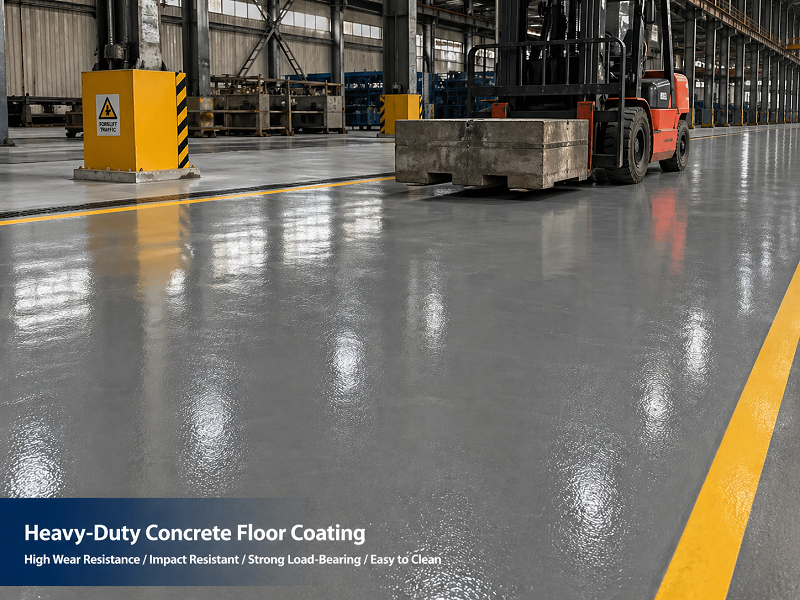
Heavy Duty Concrete Floor Coating

Heavy Duty Concrete Floor Coating: A Complete Guide for Durable Industrial Flooring

If you oversee a warehouse, factory, garage, or any space with heavy use and high traffic, selecting a proper coating for your concrete floor is a smart choice. It does not only protect the floor itself but also represents a valuable long-term investment. Heavy-duty coatings guard concrete against harsh environments, prolong its service life, cut maintenance expenses, and keep your facility safe and functional for years.

Heavy Duty Concrete Floor Coating

Many people believe concrete floors are strong and indestructible. Yet under heavy loads, concrete is surprisingly fragile. It absorbs oil, chemicals, and moisture easily, leading to discoloration, erosion, surface degradation, and cracking. As concrete wears, it produces dust that can damage machinery, irritate skin, and create safety hazards. A heavy-duty coating forms a thick, tough layer that bonds firmly with the concrete base, creating a seamless and watertight barrier. It resists abrasion, impact, chemical spills, and moisture, providing powerful protection for the entire floor.

Below, Jincheng introduces three common types of heavy-duty floor coatings, each with unique strengths and ideal applications.

Epoxy Floor Coating

Epoxy is the most common and widely used industrial flooring solution. It is a two-component material that cures into a hard, seamless surface with excellent wear resistance, chemical tolerance, and strong adhesion to concrete.

Standard epoxy may not perform well under extreme loads. To improve durability, aggregates such as colored sand, flakes, and quartz are often added, greatly enhancing load-bearing capacity. Since epoxy is not UV-resistant, it is mainly used indoors, such as in distribution centers, manufacturing facilities, and parking garages.

Polyaspartic Floor Coating

Polyaspartic coating is a newer high-performance option valued for fast curing and exceptional durability.

It delivers impressive abrasion resistance, especially when strengthened with sand, mortar, or other aggregates. It easily withstands constant foot traffic and heavy machinery. One major benefit is fast curing: the floor can return to use within just one to two days after application. It also has excellent UV stability, so it will not yellow or crack under long-term sunlight. This makes polyaspartic ideal for heavy-use outdoor areas including logistics parks, ports, and open warehouses.

Polyurethane Floor Coating

Polyurethane has long been a reliable choice in industrial flooring. It offers better flexibility than epoxy and polyaspartic, making it suitable for areas where concrete may shift or expand, such as cold storage facilities. It performs well in sunlight without fading or yellowing and provides strong resistance to chemicals and oil spills. Polyurethane is often used as a top coat over epoxy to add an extra protective layer. It works especially well in environments with large temperature differences, like cold rooms and food processing plants.

How to Choose the Right Heavy-Duty Coating

Start by evaluating your working environment: Is the area in continuous operation? Will it be exposed to chemicals? Is it under direct sunlight? Are there significant temperature changes? How heavy is the daily load?

  • Light to medium indoor loads: Epoxy is recommended for its lower cost.
  • Heavy loading conditions: Polyurethane or polyaspartic.
  • Chemical exposure: Polyurethane is the best option.
  • Sunlight or UV exposure: Polyurethane or polyaspartic.
  • Best temperature resistance: Polyurethane.
  • Fast return to service: Polyaspartic.

Conclusion

For most businesses, installing a safe, dust-free, and durable floor coating is highly necessary. It protects concrete, reduces maintenance costs, improves safety, and extends the floor’s lifespan—saving time and money in the long run.

Contact Jincheng to choose a heavy-duty concrete floor coating customized for your space. Enjoy a long-lasting, reliable floor that supports smooth and efficient daily operations.

Reflections On Participating In The 139th Canton Fair A Mix Of Gains And Opportunities

Reflections on Participating in the 139th Canton Fair: A Mix of Gains and Opportunities

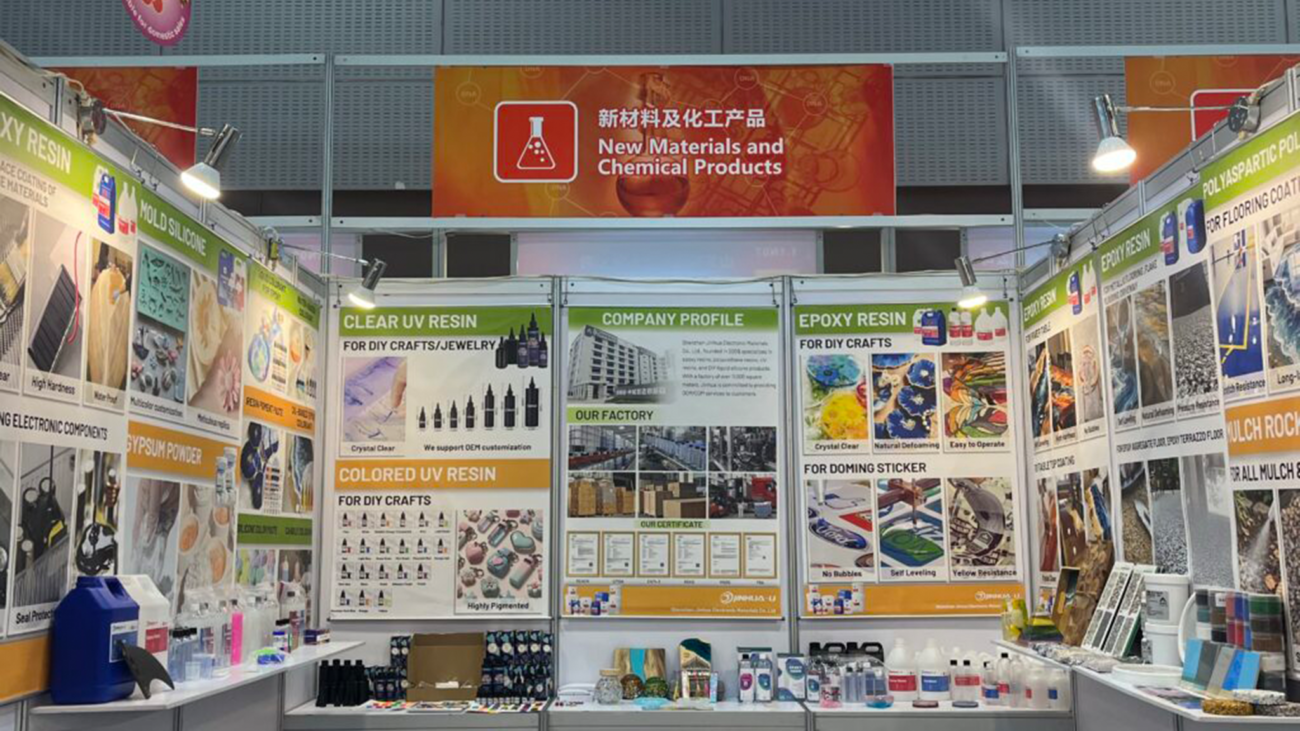
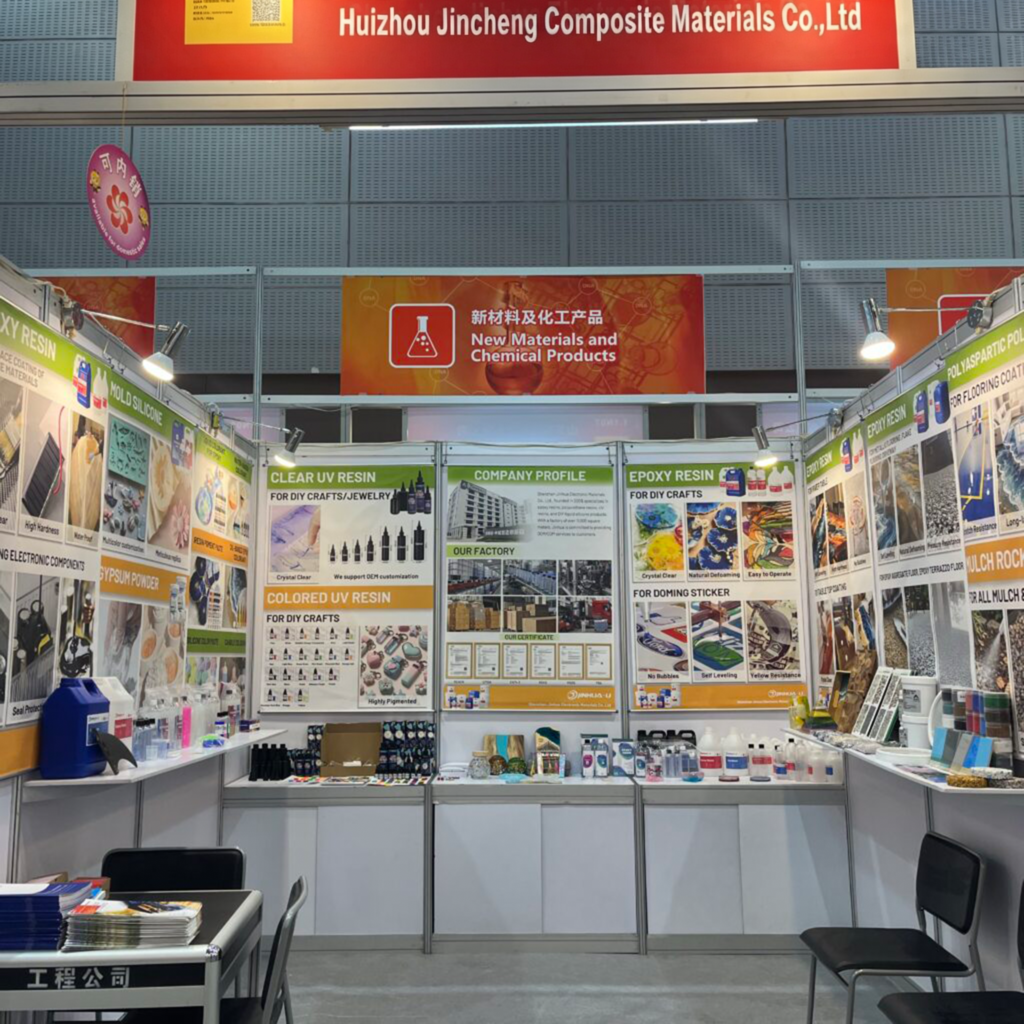
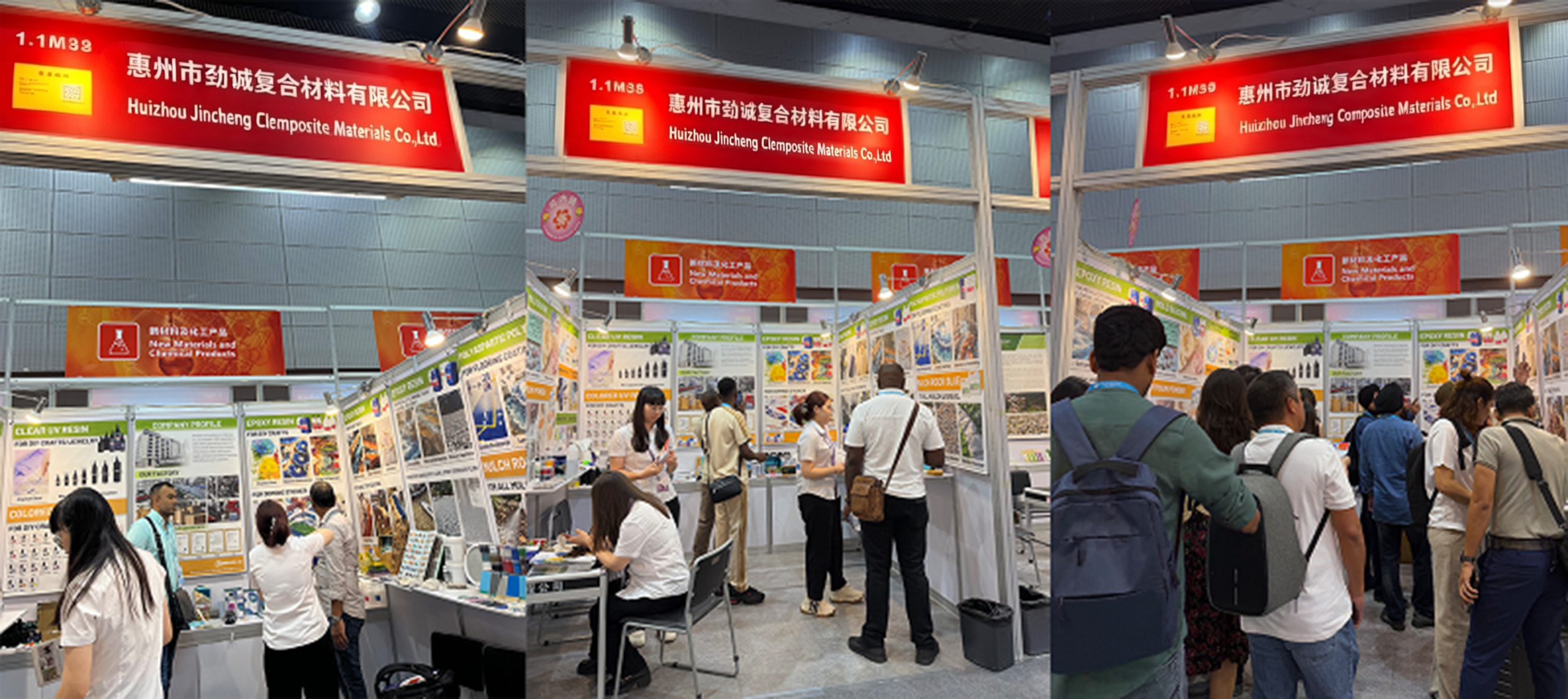
Phase 1 of the 139th Canton Fair was held as scheduled. Jincheng is delighted and honored to have participated in this exhibition and achieved fruitful results. For the team, this was not only an opportunity to showcase our products and brand image, but also an important platform for understanding market trends and expanding customer resources.

Reflections On Participating In The 139th Canton Fair A Mix Of Gains And Opportunities

During the fair, many of Jincheng’s core products, including DIY epoxy resin, deep pour epoxy resin, and floor coatings, attracted inquiries from customers across Europe, Southeast Asia, the Middle East, South America, and other regions. Through communication with clients from different countries, Jincheng gained a more direct understanding of their diverse requirements for product performance, packaging, and customized services. This information has been of great value to our future work.

The most significant gain from this exhibition is our insight into new industry trends. For instance, an increasing number of customers are focusing more on environmental protection, product stability, and OEM/ODM cooperation models rather than low prices. Among these, OEM and ODM services were the key topics of consultation for many clients, who expressed a desire to partner with reliable epoxy resin manufacturers capable of long-term cooperation and stable supply. This further confirms that Jincheng’s investment in OEM/ODM services is the right strategic direction.

Reflections On Participating In The 139th Canton Fair A Mix Of Gains And Opportunities (2)

Overall, Jincheng’s performance at this exhibition was highly satisfactory. We not only established connections with numerous customers and earned their trust, enhancing our international visibility, but also identified our future development direction through exchanges with clients and industry peers. Moving forward, Jincheng will continue to improve product quality and service capabilities, and build more stable and long-term partnerships with global collaborators.

Best Floor Coating For Warehouse A Practical Guide (2026)

Best Floor Coating for Warehouse: A Practical Guide (2026)

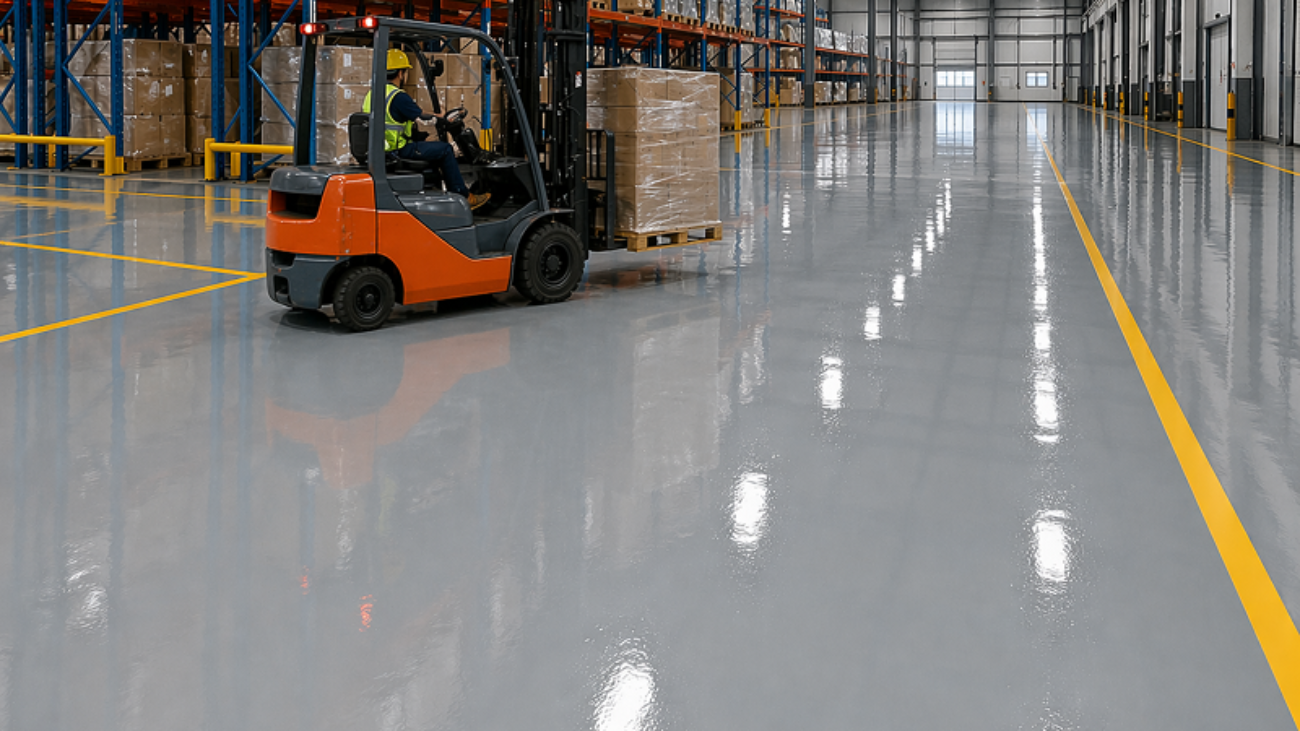
Warehouses are heavy-duty, high-intensity use scenarios with constant forklift traffic, heavy pallet loads, oil spillage, and continuous operations. Therefore, installing a durable, safe, and easy-to-maintain floor coating for warehouses is a necessary investment.

Below, Jincheng will provide a detailed comparison of mainstream flooring coating options, their advantages, disadvantages, and applicable scenarios, to help you select the most suitable solution for your warehouse.

Best Floor Coating For Warehouse A Practical Guide (2026)

Industrial Epoxy Floor Coating (The Most Common Flooring Coating)

Epoxy floor coating is a two-component system consisting of resin and hardener. After curing, it forms a thick, seamless, and rigid surface that bonds tightly to concrete, creating an excellent protective layer. Epoxy remains the most widely used floor coating in warehouses and industrial applications due to its extremely high cost-performance ratio.

Core Advantages of Epoxy Floor Coating:

Excellent impact and abrasion resistance, good chemical resistance (to oils, acids, solvents), easy application, compatibility with various aggregates to create different finishes (such as quartz sand, colored sand, decorative flakes), and outstanding cost-effectiveness (costs much lower than polyaspartic and polyurethane coatings).

Disadvantages:

Poor UV resistance (prolonged exposure to sunlight may cause yellowing, fading, and chalking; UV-resistant topcoat is required for exterior areas); long curing time (foot traffic allowed after 24–72 hours, heavy load-bearing capacity achieved after more than 7 days, making it less suitable for fast-track projects); under extreme heavy-duty and chemical exposure conditions, performance is inferior to polyaspartic and polyurethane coatings.

Applicable Scenarios:

Indoor warehouses with high forklift traffic, production areas, food storage, and other light to medium-load environments.

Polyaspartic Floor Coating (The Representative of High Performance)

Polyaspartic has become one of the most popular floor coatings in recent years. It is typically a two-component material: Component A – aliphatic isocyanate hardener, Component B – polyaspartic ester resin. It is rarely used as a standalone coating and is usually applied as a topcoat over a primer system.

Core Advantages of Polyaspartic Coating:

Rapid curing (surface dry within hours, fully cured in 1–2 days, ideal for projects requiring fast return to service); excellent UV resistance (suitable for outdoor applications); high abrasion and chemical resistance (for heavy-duty and chemical-exposed environments); long service life (significantly longer than epoxy).

Disadvantages:

High cost (several times that of epoxy); requires professional installation (short application window due to fast curing, demanding experienced applicators); relatively weak adhesion when applied directly to concrete (epoxy primer is generally required).

Applicable Scenarios:

Outdoor warehouses, heavy-duty areas, environments with chemical spills, and projects requiring quick operational recovery.

Polyurethane Floor Coating

Polyurethane is a highly versatile polymer material with adjustable properties, renowned in flooring and industrial coatings for its abrasion resistance, flexibility, and weatherability. It can be used as a topcoat or a standalone coating.

Core Advantages:

Excellent weather and UV resistance – suitable for loading docks, exposed warehouse areas, or well-lit spaces; good flexibility and thermal shock resistance – adapts to temperature changes, heavy impacts, and substrate movement without cracking, ideal for cold storage or frequently washed areas; good chemical and abrasion resistance – resistant to oils, solvents, and heavy traffic, though slightly lower hardness than epoxy.

Disadvantages:

Relatively thin film thickness (typically applied thinner than epoxy, with lower impact resistance for ultra-heavy loads);

higher cost than epoxy; mostly used as a topcoat over epoxy primer rather than a standalone main coating.

Applicable Scenarios:

Cold storage warehouses, loading docks, and areas exposed to UV radiation or frequent temperature fluctuations.

Optimal Warehouse Floor Coating Solution: Multi-Material Composite System

In practical applications, floor coatings rarely consist of a single material. Instead, they are usually composite systems such as epoxy primer and midcoat with polyaspartic or polyurethane topcoat. This combination ensures strong concrete bonding from the epoxy layer while enhancing abrasion, weather, and chemical resistance through the topcoat.

It achieves the best balance among cost, performance, and service life, making it the mainstream optimal comprehensive solution in the market.

Industrial Floor Coating For Factories

Industrial Floor Coating for Factories: What Works Best?

Floor coatings play a vital role in factory operations, as they have to bear heavy machinery loads, constant foot traffic, chemical spills, and heavy wear and tear. Picking the right industrial floor coating is far more than an aesthetic choice; it is a strategic investment in workplace safety, operational efficiency, and long-term cost control. With so many products available on the market, many factory managers and business owners struggle to choose the most suitable solution.

The right choice always depends on your factory’s real needs: your industry, working environment, and budget. Below is a clear overview of the most commonly used industrial floor coatings.

Industrial Floor Coating For Factories

Epoxy Floor Coating

Epoxy is the most widely used floor coating in factories, offering an excellent balance of durability, cost efficiency, and versatility for most production facilities. It is made by mixing epoxy resin with a curing agent, creating a hard, seamless surface that bonds strongly to concrete.

Key Benefits

  • Strong adhesion to concrete substrates
  • Resistant to oils, greases, and mild chemicals
  • Smooth, easy-to-clean finish
  • Ideal for light‑to‑medium duty areas

For light to medium factories, warehouses, electronics plants, and food processing facilities, epoxy works very well. In heavier‑load settings, adding colored quartz or sand aggregates can greatly improve abrasion resistance and compressive strength.

Limitations

  • Average temperature tolerance; may become brittle in extreme cold or heat
  • Prone to yellowing under long‑term sunlight exposure
  • Not recommended for areas with constant heavy impacts or strong chemical exposure

Polyurethane Floor Coating

Polyurethane has long been a reliable choice for industrial flooring. It is more flexible than epoxy, with better abrasion resistance, wider temperature tolerance (suitable for both cold and hot environments), and strong UV resistance. It is ideal for factories handling heavy machinery, extreme temperatures, or frequent chemical spills.

Recommended Uses

Heavy industry, automotive plants, machinery workshops, cold storage facilities, and chemical processing plants. Thanks to its UV resistance, polyurethane is also the top choice for outdoor and semi‑outdoor areas like loading bays.

Limitations

Higher upfront cost than epoxy; stricter surface preparation requirements (moisture and dust can weaken adhesion). Many facilities use an epoxy primer plus polyurethane topcoat system for better cost efficiency while keeping high performance.

Polyaspartic Floor Coating

Polyaspartic is a modern flooring solution developed over the past decade, combining the best features of epoxy and polyurethane — with the added benefit of ultra‑fast curing. It is formed through the reaction of isocyanates and amines, producing a tough, flexible surface that can cure in as little as 12 hours, depending on the manufacturer’s formula.

Key Advantages

  • Fast curing, greatly reducing factory downtime
  • Excellent impact resistance, abrasion resistance, chemical resistance, and UV stability
  • Flexible enough to withstand heavy loads and temperature changes
  • Waterproof, suitable for damp or leak‑prone floors
  • Can fill small cracks and flaws on slightly damaged concrete
  • Longest service life among the three options

Recommended Uses

Factories needing quick turnaround, heavy machinery zones, areas with frequent chemical spills, and damp environments.

Limitations

Highest cost among the three materials. Many factories lower costs by using epoxy primer and mid‑coat with a polyaspartic topcoat. Professional installation is required due to the short working window caused by fast curing; on‑site DIY application is not advised.


How to Choose the Right Coating for Your Factory

The best coating depends on your factory’s real conditions: traffic volume, load intensity, chemical exposure, environment, and budget. Here is a simple guide:

  • For most light to medium factories (warehouses, electronics, food processing):Epoxy coating provides the best balance of cost and performance.
  • For factories with heavy loads, outdoor use, high temperature demands, or regular chemical contact:Polyurethane or polyurea coatings are more durable and flexible.

Important reminder: Proper surface preparation is essential no matter which coating you choose. Concrete must be clean, dry, free of cracks and contaminants to ensure a strong bond. Skipping this step can lead to peeling, cracking, or early failure, resulting in higher long-term repair costs.

Choosing the right industrial floor coating gives you a safe, long‑lasting floor that delivers years of reliable performance. If you have questions or need support, feel free to contact us for professional advice.

Top 7 Concrete Floor Coating Suppliers For Commercial Projects

Top 7 Concrete Floor Coating Suppliers for Commercial Projects

If you’re picking a concrete floor coating supplier for your commercial project, this list can help. A dependable supplier matters for commercial flooring: it needs to hold up to heavy foot traffic, equipment, and chemicals, while fitting your budget and schedule.

Below are the world’s top seven suppliers for commercial concrete floor coatings, including global leaders, regional specialists, and focused manufacturers. We looked at reputation, product quality, technical support, and real project results.

Top 7 Concrete Floor Coating Suppliers For Commercial Projects

1. Sherwin-Williams

A top global industrial coatings company with strong expertise in commercial and industrial flooring.

Its flooring systems include:

  • Epoxy Floor Coating
  • Polyurethane Flooring
  • Polyaspartic Floor Coating

Widely used in warehouses, logistics centers, food plants, and parking garages.

Strengths: full product range, strong brand, global technical support.

Note: prices are often higher for most contractors.

2. Sika

A major Swiss construction chemicals firm, well-known worldwide. Its Sikafloor line is widely used in commercial projects, with:

  • Industrial epoxy flooring
  • ESD flooring
  • Heavy‑duty industrial flooring
  • Food‑grade flooring systems

Strengths: reliable, consistent quality; widely used in large commercial and industrial buildings.

Note: systems can be complex, raising installation costs.

3. PPG Industries

A leading U.S. industrial coatings company with a strong global position.

PPG floor coatings are used in factories, aviation facilities, big warehouses, and commercial parking garages. They stand out for chemical and wear resistance, great for heavy industry.

Note: best for large projects; less common for small commercial jobs.

4. BASF

One of the world’s largest chemical companies. Its Master Builders Solutions brand has a strong history in industrial flooring.

Key products:

  • High‑strength industrial epoxy systems
  • Polyurethane mortar flooring
  • Non‑slip commercial flooring

Widely used in food processing, pharmaceutical plants, and industrial buildings.

5. Jotun

A respected Norwegian coatings brand, strong in protective and industrial coatings.

Jotun flooring systems go into shipyards, factories, parking garages, and commercial buildings.

Strengths: long durability, good corrosion resistance; great for harsh industrial settings.

6. Huizhou Jincheng Industrial Co., Ltd.

A leading Chinese maker of high‑performance commercial and industrial concrete floor coatings, offering full OEM/ODM service.

Main products:

  • Epoxy Floor Coating
  • Polyaspartic Floor Coating
  • Polyurethane Flooring
  • Concrete Floor Sealers

Strengths vs. big brands: OEM/private label available, lower cost, customizable formulas; good for contractors and brand buyers.

More international clients now partner with Jincheng for private‑label floor coatings.

7. Rust-Oleum

A well‑known U.S. coatings brand, popular in DIY and light industrial flooring.

Products: epoxy kits, garage floor coatings, concrete sealers. Used mostly in small commercial projects, repairs, and DIY work.

Strengths: easy to install, widely available.

Note: less used for large industrial flooring jobs.


How to Choose a Supplier for Your Commercial Project

Use these points when choosing your concrete floor coating supplier:

  1. Project type: Match the supplier’s strengths to your space (warehouse, retail, healthcare, parking garage).
  2. Durability needs: Heavy equipment, chemical spills, or high foot traffic?
  3. Site conditions: High humidity or damp concrete?
  4. Budget & timeline: Fast‑cure products cost more but cut downtime.
  5. Technical help: On‑site support, training, and problem‑solving?
  6. Track record: Choose suppliers with completed projects and good reviews.

Demand for concrete floor coatings keeps growing as commercial and industrial building expands. Global brands and specialized makers like Huizhou Jincheng keep launching tougher, higher‑performance flooring systems.

When choosing a supplier for commercial concrete floor coatings, base your choice on project size, budget, installation needs, and branding plans.

If you want OEM, private labeling, or custom formulas, working with a focused manufacturer usually gives you more flexibility and better value.

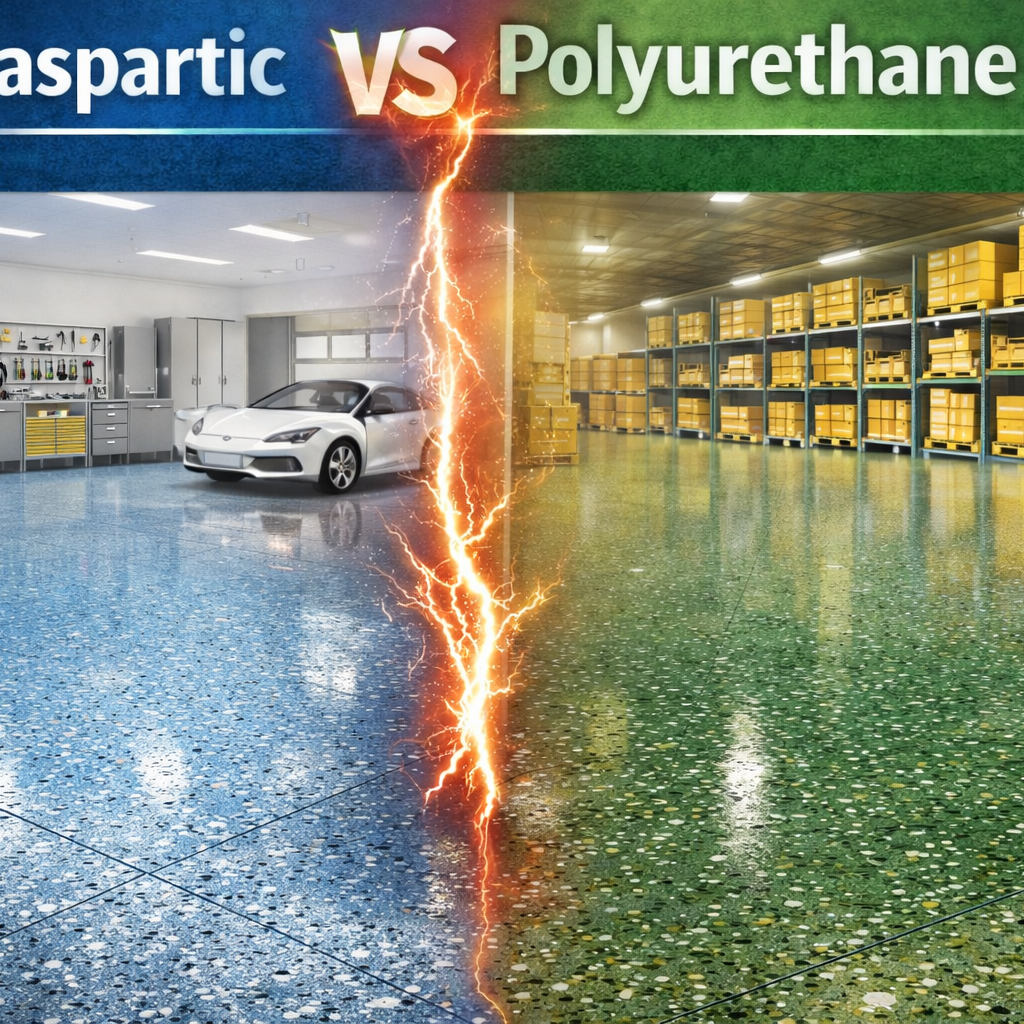
Polyaspartic Vs Polyurethane Floor Coating

Polyaspartic vs Polyurethane Floor Coating: Which One Is Better for Your Floor?

If you have been looking for floor coatings recently, whether for garages, warehouses, basements or other applications, these two floor coatings, Polyaspartic Floor Coating and Polyurethane Floor Coating, must be on your list. Both are high-performance floor materials with a high overlap in application scenarios, and it can be really confusing to figure out which one to choose.
Today, jincheng will analyze their performance in key aspects such as durability, curing time, cost, and the most suitable applications for each, hoping to help you choose the most suitable floor material.

Polyaspartic Vs Polyurethane Floor Coating

First, let’s briefly introduce these two materials. Both polyaspartic and polyurethane are protective coatings for concrete floors (and sometimes wood floors), but their chemical compositions are different. Polyaspartic belongs to the polyurea family and is the most popular floor material in recent years, which has become the first choice for many people now. Polyurethane, on the other hand, is a very traditional industrial floor material, a well-known and reliable option that many people have been using for years.
To briefly summarize the differences between Polyaspartic and Polyurethane floor coating, we can look at several key points.
Drying speed: If you have ever waited for days for floor coatings to cure, you know how frustrating it can be—especially when you need to use the space urgently. Polyaspartic Floor Coating is definitely a game-changer in this regard. It cures in hours, not days. The construction is completed today and the floor can be put into use the next day. Some high-quality polyaspartic coatings even allow you to apply two coats on the same day, and the entire project can be finished within 24 hours.
What about Polyurethane Floor Coating? It is not that fast. It dries slowly—it takes 24 to 48 hours for light traffic and 2 to 3 days to fully cure (longer in humid weather). This means if you coat your garage, you have to park your car elsewhere for days, which is very troublesome. For some application scenarios that require quick use, this may be an unacceptable disadvantage.
Next is durability. To be honest, no one wants to renovate or repair the floor every few years. Both coatings are durable, but they have advantages in different fields. Polyaspartic is designed for heavy use. It has extremely high hardness, resistance to scratches and abrasion, and can even prevent hot tire pick-up (the annoying situation where hot car tires peel off the coating). It also has sufficient flexibility to cope with slight deformation of concrete, so it will not crack even if your floor shifts a little—very suitable for places like garages or basements where concrete may settle over time.
Polyurethane is certainly very durable as well, and it is more flexible than polyaspartic. This flexibility is great for wood floors or areas where the surface may move frequently, but it is not as good as Polyaspartic Floor Coating in resisting strong impacts or scratches from sharp objects. It is still a good choice, but more suitable for areas with light traffic.
Another important aspect: UV resistance. Many people ignore this issue, but it is actually very important. Polyaspartic has excellent UV resistance and is not easy to turn yellow even after long-term outdoor sun exposure; ordinary polyurethane has average UV resistance and may slightly discolor when used outdoors. So for outdoor floors or application scenarios exposed to sunlight for a long time, Polyaspartic Floor Coating is undoubtedly a more suitable choice.
Let’s talk about construction difficulty. If you do it yourself, polyurethane may be easier to handle. It is more forgiving because of the long curing time, which leaves you a very long operating window. You can apply it slowly without leaving streaks or uneven marks due to too fast drying.
Polyaspartic is relatively difficult to construct because it cures very quickly, and you have to operate fast—if you are inexperienced, you may end up with a messy result. Therefore, we generally recommend hiring professionals to construct polyaspartic floor coatings. Although this will increase your cost, it is well worth it to get a smooth and professional finish.
Finally, we have to discuss the cost of the two, which is an important factor for most people. Polyaspartic coatings are more expensive, and plus you hire professionals for construction, the labor cost will add extra. Polyurethane is relatively cheaper, maybe only half of polyaspartic. If you are on a tight budget, it will be a better choice.
But here is a key point: polyaspartic has a longer service life—with proper maintenance, it can last 10 to 15 years, while polyurethane usually only lasts 8 to 10 years. So although polyaspartic has a higher upfront cost, it may save you money in the long run because you do not need to renovate as frequently. It is like buying a pair of high-quality shoes—you spend more, but they are much more durable than cheap ones that break in a year.
If you are still struggling between these two floor coatings and don’t know which one to choose, you can refer to the following questions:
Does the project require fast construction? If quick delivery is needed, Polyaspartic is more suitable.
Will the floor be exposed to sunlight for a long time? If it is an outdoor area or garage entrance, Polyaspartic has better UV resistance.
Is a more flexible material needed? If the floor has large temperature differences, Polyurethane will be more stable.
Is the budget limited? If the budget is tight, Polyurethane may be more economical.
Ultimately, both polyaspartic and polyurethane are good choices—they just meet different needs. The key is to figure out what you value most: speed, durability, cost, or construction difficulty. If you are still unsure, you can consult Jincheng—we have served thousands of floor companies, and we will evaluate your space and usage conditions, and give suggestions based on your specific needs.